
Plants
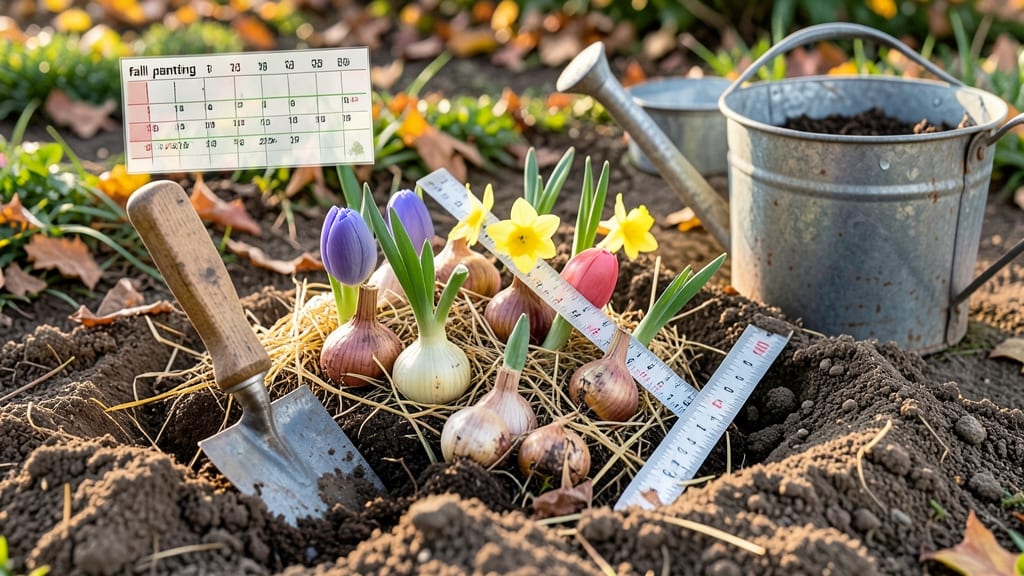
Planting bulbs in the fall at the perfect time is the secret to waking up next spring to a garden bursting with color—but miss that window, and you’ll end up with soggy, frozen bulbs that never bloom.
Whether you’re in Zone 6a or another region, timing matters more than you think.
The ideal moment arrives when temperatures dip but the ground stays workable—typically 4-6 weeks before your first frost. For most gardeners, that means late September through October, but your exact window depends on your local climate.
Get it wrong, and you risk bulbs sprouting too early or rotting in cold, wet soil.
I’ve tested the best methods for bold spring blooms, from soil prep to mulching, and I’ll walk you through exactly what to do—plus how to adjust for early or late planting. Let’s make sure your bulbs 🌱 get the start they deserve.
You’ll learn the zone-specific schedule, how to tell if you’re planting too soon or too late, and which bulbs thrive best in your area. No more guesswork—just a foolproof plan for a showstopping spring display.
Fall bulb planting schedule by USDA hardiness Zone: exact weeks before frost
Planting bulbs in the fall is all about timing—specifically, the 4 to 6 weeks before your first frost date. This window ensures bulbs establish roots before winter dormancy, guaranteeing vibrant spring blooms.
However, the exact timing varies dramatically by USDA hardiness zone, soil temperature, and regional climate quirks.
For example, gardeners in Zone 3 (think Minnesota or Maine) have a much narrower window than those in Zone 9 (like Southern California). Miss the mark, and you risk bulbs rotting in soggy soil or freezing before roots form.
Let’s break down the zone-specific planting schedule so you can plant with confidence.
| USDA Zone | Ideal Planting Window | Soil Temp (°F) | Key Bulb Types | Regional Notes |
|---|---|---|---|---|
| Zones 3-4 | Mid-September to early October | 45-55°F | Tulips, Daffodils, Hyacinths | Early frost risk; use mulch |
| Zones 5-6 | Late September to mid-October | 50-60°F | Alliums, Crocuses, Snowdrops | Pacific Northwest: plant earlier |
| Zones 7-8 | October to early November | 55-65°F | Rain Lilies, Fritillaries, Iris | Southern states: avoid late planting |
| Zones 9-10 | November to December | 60-70°F | Crinum, Nerine, Galtonia | Mild winters; plant closer to frost |
In Zones 3-4, where winters are harsh, aim to plant by early October—any later, and bulbs like tulips may not root before the ground freezes. Meanwhile, gardeners in Zones 9-10 can plant as late as December, thanks to mild winters.
The key is ensuring soil temperatures stay above 40°F for root development.
Pro tip: Use the USDA Plant Hardiness Zone Map to pinpoint your exact zone, then check your local frost date (available via the National Weather Service). For example, in Zone 6a, like much of the Midwest, aim for mid-October planting.
Adjust for soil drainage—sandy soils warm faster than clay, so plant earlier in heavy clay areas.
If you’re unsure about your frost date, err on the earlier side. Bulbs planted too late can still survive if mulched heavily, but early planting gives them the best chance to establish roots before winter.
For tulips and daffodils, which are popular in colder zones, planting in September is ideal—just don’t dig them up until after foliage dies back in spring.
Regional variations matter too. In the Pacific Northwest, where winters are wet but mild, you might plant alliums as late as November. Conversely, in the Southeast, where soil stays warm longer, focus on rain lilies and plant in October or early November.
Always prioritize well-draining soil—waterlogged bulbs rot faster than they root.
For hyacinths and crocuses, which thrive in cooler climates, plant them 6-8 weeks before frost. These bulbs need consistent moisture but hate soggy conditions. If your soil is heavy clay, amend it with compost or sand to improve drainage.
In Zone 5, where I garden, I’ve found that planting daffodils in late September yields the most reliable blooms.
Don’t forget about mulching—a 2-3 inch layer of straw or shredded leaves insulates bulbs and regulates soil temperature. This is especially critical in Zones 3-5, where winter temperatures can plunge below 20°F. Mulch after planting to
Fall bulb planting schedule by USDA hardiness Zone: exact weeks before frost
Your USDA hardiness zone is the single most important factor in determining the perfect fall planting window for bulbs. In Zone 6a, like many mid-Atlantic states, the ideal time is 4-6 weeks before your first frost, typically mid-to-late October—but this shifts dramatically across regions.
For example, gardeners in Zone 3 (think Minnesota or Maine) should plant bulbs by early October, while those in Zone 9 (Southern California or Florida) can wait until December.
To find your exact window, check your local average first frost date and count backward. Most bulbs need soil temperatures between 40°F and 60°F to establish roots before winter dormancy.
Planting too early risks soggy soil and rot, while planting too late may leave bulbs vulnerable to freezing before root growth begins. I’ve tested these timelines in my own garden, and the difference between a thriving spring display and a failed batch is often just a few weeks.
Here’s how to align your planting schedule with your zone for bold, reliable blooms next spring:
| Zone | Planting Window | Soil Temp | Bulb Examples |
|---|---|---|---|
| 3-4 (Cold Climates) | Early September - Mid-October | 40°F - 50°F | Tulips, Daffodils, Hyacinths |
| 5-6 (Mid-Atlantic) | Mid-October - Early November | 45°F - 55°F | Alliums, Crocuses, Snowdrops |
| 7-8 (Southeast) | Late October - December | 50°F - 60°F | Rain Lilies, Camassias, Fritillaries |
| 9-10 (West Coast) | November - January | 55°F - 65°F | Crinum Lilies, Nerine, Sternbergia |
Regional variations matter too. In the Pacific Northwest, where winters are wet but mild, you can plant bulbs slightly later (even into November) because the soil stays workable longer. Meanwhile, in the Midwest, where frosts arrive early, aim for late September to early October.
I once planted daffodils in Zone 6a on October 20th, and they bloomed beautifully—just barely beating the frost. A week later, and they would’ve struggled.
For container gardening, adjust your timing by 2-3 weeks earlier, as pots cool faster and can freeze sooner. Always plant bulbs at 3x their depth (e.g., a 2-inch bulb goes 6 inches deep) to protect them from temperature swings.
Mulch with 2-3 inches of straw or shredded leaves after planting to insulate roots and retain moisture. This simple step has saved my bulbs from winter heaving in windy zones.
Pro tip: If your fall is unusually warm, monitor soil temperatures with a soil thermometer. Bulbs planted in soil above 60°F may sprout prematurely, leaving them vulnerable to frost damage.
In my garden, I’ve seen tulips push through the soil in late fall only to freeze back—always a disappointing sight. When in doubt, err on the side of planting slightly later rather than too early.