
Plants
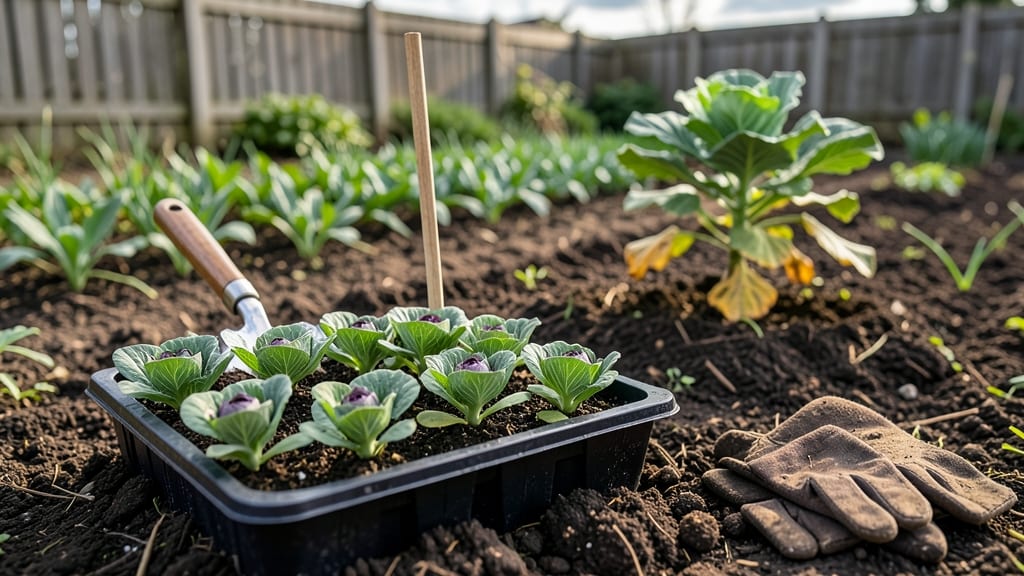
Planting cabbage in Zone 6b at the wrong time can mean the difference between a crisp, flavorful harvest and a bitter disappointment. With the last frost typically hitting around April 15, timing your 🥬 seedlings just right is the key to success.
Most gardeners in Zone 6b make the mistake of planting too early, only to watch their cabbage bolt from cold snaps or too late, missing the ideal 75-day growing window.
The secret lies in starting seeds indoors 6-8 weeks before that final frost—or transplanting hardened seedlings once soil warms to 45°F.
But here's the twist: Zone 6b gardeners also get a second chance with fall planting. July to August is your window to sow for a late-season harvest, though you'll need to choose fast-maturing varieties to beat the first frost in mid-October.
I'll show you exactly how to align your planting with Zone 6b's frost dates, which varieties work best, and how to avoid common pitfalls like bolting. Let's get those perfect heads growing!

Zone 6B cabbage planting schedule: exact weeks before last frost for success
In Zone 6B, your last frost date typically lands around April 15, but this can shift by 2-3 weeks depending on your microclimate. For spring cabbage, aim to plant seedlings 3-4 weeks before that date—around mid-March—when soil temperatures hit 45°F.
This timing ensures your plants mature before summer heat triggers bolting.
For fall cabbage, your window is July to early August, targeting a harvest before the first frost on October 15. Fast-maturing varieties like 'Early Jersey Wakefield' are your best bet here, as they reach maturity in just 60-70 days.
Pro tip: Use the USDA Plant Hardiness Zone Map to verify your exact last frost date—some Zone 6B areas (like higher elevations) may have later frosts. Adjust your planting schedule accordingly to avoid frost damage or heat stress.
🌱
📅 Zone 6B Cabbage Planting Timeline
| Stage | Action | Notes |
|---|---|---|
| Indoor Start (Spring) | Sow seeds 6-8 weeks before last frost | Use grow lights if natural light is weak |
| Transplant (Spring) | Plant hardened seedlings 3-4 weeks before last frost | Soil temp must be ≥45°F |
| Direct Sow (Spring) | Sow seeds 2-3 weeks before last frost | Use row covers for early starts |
| Fall Planting | Sow seeds July 1-15 for harvest before frost | Choose fast-maturing varieties |
| Harvest Window | June-July (spring) or October-November (fall) | Harvest before heads split |
💡 Pro Tip: Mark your calendar 6 weeks before your last frost date—this is your indoor seed-starting deadline!
Zone 6B gardeners often struggle with unpredictable spring weather, where late frosts can still hit after April 15. To hedge your bets, consider planting a mix of early, mid, and late varieties.
Early varieties like 'Golden Acre' mature in 60 days, while late varieties like 'Late Flat Dutch' take 90 days.
For succession planting, sow additional seeds every 2 weeks after your initial planting to stretch your harvest. This works especially well for fall cabbage, where staggered plantings ensure a continuous supply before frost.
One common mistake is planting too early in spring, only to have seedlings damaged by late frosts. If you're unsure about your exact frost dates, use a frost calendar from your local cooperative extension office—they often provide hyper-local data that's more accurate than the USDA map.
🌿
Remember: Cabbage thrives in cool weather, so avoid planting during heatwaves. If summer temperatures exceed 80°F, your plants may bolt prematurely. Fall planting is your safest bet for late-season harvests, but choose varieties that mature before the October 15 frost.
For a foolproof approach, I recommend starting with transplants from a nursery—this gives you a head start and reduces the risk of seedling diseases common in Zone 6B's damp springs. Just be sure to harden off your seedlings for 7-10 days before transplanting.
How to adjust cabbage planting for Zone 6B’s unpredictable spring weather
Zone 6B’s unpredictable spring weather can turn your cabbage dreams into nightmares—one day it’s 60°F and sunny, the next, a 28°F frost hits. The key to success? Flexible planting strategies that account for soil temperature fluctuations, late frosts, and variable rainfall.
Unlike more stable climates, Zone 6B demands extra vigilance to protect your seedlings from cold snaps while ensuring they don’t bolt in sudden heat.
First, always check soil temperature before planting. Cabbage seedlings need soil that’s at least 45°F to thrive—colder soil stunts growth and makes plants vulnerable to rot. Use a soil thermometer to confirm readiness, especially in low-lying areas where cold air pools.
If your soil is still chilly, wait or use black plastic mulch to warm it faster.
🌱
⚠️ Zone 6B Cabbage Planting Pitfalls & Fixes
Late Frost Damage
🔹 Problem: Seedlings emerge, then freeze after a 28°F night.
🔹 Fix: Use row covers or cold frames until danger of frost passes. Plant in slightly elevated beds to improve drainage and warmth.
Bolting from Heat Stress
🔹 Problem: Temperatures spike to 85°F, triggering premature flowering.
🔹 Fix: Choose shade-tolerant varieties like 'Golden Acre' and provide afternoon shade with floating row covers or shade cloth (30%).
Damping-Off Disease
🔹 Problem: Fungal infection kills seedlings in damp springs.
🔹 Fix: Space seedlings 12 inches apart, water at soil level (not overhead), and use sterilized seed-starting mix.
To protect your seedlings from late frosts, I swear by floating row covers. These lightweight fabrics let sunlight and water through while shielding plants from 25°F temperatures. Remove them during the day to prevent overheating, but replace them at night until the last frost.
For extra security, use cloches over individual seedlings—these mini greenhouses create a microclimate that’s 5-10°F warmer than ambient air.
Another game-changer? Succession planting with staggered intervals. Instead of one big planting, sow seeds every 2 weeks from mid-March to early April. This ensures a continuous harvest and spreads risk—if one batch gets hit by frost, others will still thrive.
For fall planting, repeat this strategy in July and August to maximize your harvest window before the October 15 frost.
💧
Zone 6B’s variable rainfall can also throw off your cabbage’s growth. Too much water leads to root rot, while drought causes heads to split. Aim for 1-2 inches of water per week, delivered in the morning to reduce fungal risks.
If your area experiences prolonged dry spells, mulch with straw or shredded leaves to retain moisture and regulate soil temperature. Just avoid piling mulch against the stems—keep it 2 inches away to prevent rot.
Finally, don’t underestimate the power of soil preparation. Amend your garden beds with compost or well-rotted manure before planting to improve drainage and fertility.
Cabbage is a heavy feeder, so a soil test will tell you if you need extra nitrogen (for leaves) or calcium (for head formation). In Zone 6B, where springs can be soggy, raised beds are a lifesaver—they warm up faster and drain better than in-ground soil.