
Plants
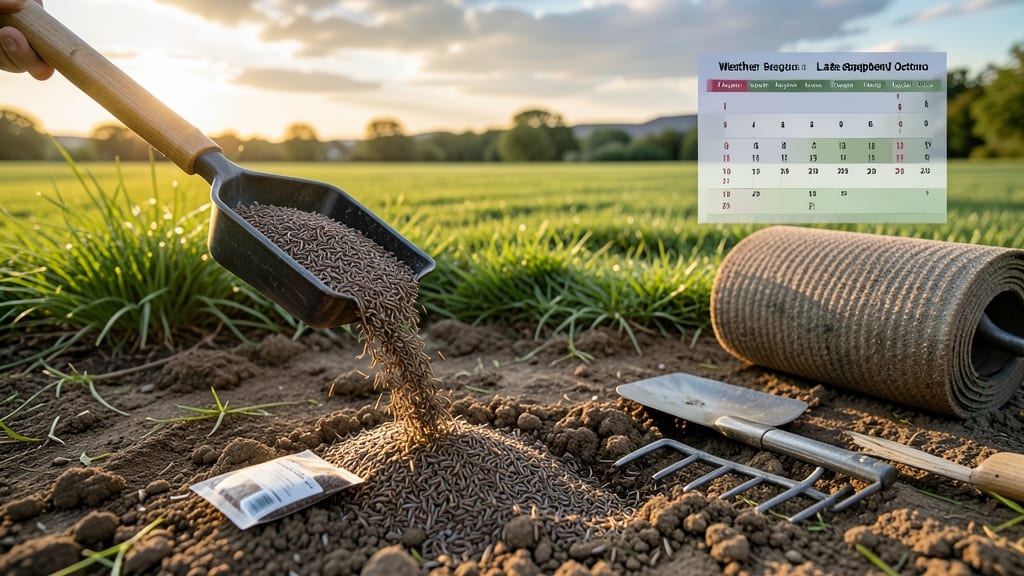
If you’ve ever stared at a patchy lawn wondering when is the best time to plant grass in Ohio, the answer might be as simple as timing.
Planting grass in Ohio at the wrong time can leave you with weak roots, stunted growth, or even total failure—especially when you factor in the state’s unpredictable spring frost and scorching summer heat.
The best time to plant grass in Ohio isn’t just about picking a month—it’s about understanding your grass type, soil temperature, and local microclimates.
Cool-season grasses like Kentucky bluegrass need to be in the ground 4-6 weeks before the last frost, while warm-season varieties like Bermuda grass prefer the heat of late spring. Get this wrong, and you’ll spend more time fixing mistakes than enjoying your lawn.
What you’re about to discover isn’t just theory—it’s a game-changer for Ohio homeowners. I’ll break down the exact months to plant, how to prep your soil for deep root growth, and even red flags that signal you’ve planted at the wrong time.
No more guesswork, just a lush, resilient lawn that stands up to Ohio’s weather.
Ready to transform your lawn from a frustrating project into a low-maintenance masterpiece? Let’s dive into the science-backed timing that’ll have your grass thriving year-round—no matter what Ohio throws at it.
Ohio’s ideal grass planting windows by month (with frost & soil temp guides)
Ohio’s cool-season grasses (like Kentucky bluegrass and tall fescue) and warm-season grasses (such as Bermuda and Zoysia) thrive during different windows. The key is planting when soil temperatures are consistently between 50°F and 65°F—too cold, and seeds won’t germinate; too hot, and they’ll dry out.
For Ohio, this means early spring or early fall are your best bets.
Northern Ohio (USDA Zone 5b-6a) has earlier frost dates than southern Ohio (Zone 6b-7a), so adjust your timing accordingly. The average last frost date in Ohio is around April 15, while the first frost typically arrives October 15.
Planting 4-6 weeks before the last frost or in early September ensures strong root growth before winter.
For cool-season grasses, aim for March to early May or September to early October.
These grasses grow best in cooler weather and can handle Ohio’s humid summers better than warm-season types. Warm-season grasses, like Bermuda, prefer late spring to early summer (May to June) when soil temperatures rise above 65°F.
| Month | Grass Type | Soil Temp (°F) | Frost Risk | Best For |
|---|---|---|---|---|
| March | Cool-season | 45-55°F | High (northern OH) | Early start, overseeding |
| April | Cool-season | 50-60°F | Moderate | New lawns, full growth |
| May | Warm-season | 65-75°F | Low | Bermuda, Zoysia |
| September | Cool-season | 55-65°F | Low | Strong fall roots |
| October | Cool-season | 45-55°F | High (southern OH) | Late overseeding |
If you’re planting new sod, timing is slightly more flexible—just ensure the soil is workable and not frozen. Sod can handle warmer soil temps than seeds, making it a great option for late spring or early summer in southern Ohio. However, seed-based lawns require cooler temps for optimal germination.
Ohio’s microclimates play a role too. Urban areas like Columbus may experience warmer soil temps earlier than rural spots, while northern Ohio (e.g., Toledo) stays cooler longer. Check the Ohio State University Extension for local frost dates—their Planting Calendar is a game-changer for precise timing.
Pro tip: Use a soil thermometer to confirm temps before planting. Stick it 4 inches deep (where grass roots form) for accurate readings.
If temps dip below 50°F at night, delay planting until conditions stabilize. Consistent warmth is the secret to deep-rooted, drought-resistant grass that survives Ohio’s humid summers and freezing winters.
For overseeding an existing lawn, late summer to early fall is ideal. This gives new grass 6-8 weeks to establish before winter. In contrast, new lawns planted in spring need 3-4 months to mature before summer heat
Ohio’s ideal grass planting windows by month (with frost & soil temp guides)
Ohio’s climate—with its unpredictable frost dates and hot summer spells—means the best time to plant grass depends on your grass type and local microclimate.
Cool-season grasses like Kentucky bluegrass and tall fescue thrive when planted in early spring or fall, while warm-season varieties such as Bermuda grass need the heat of late spring. For Ohio, this translates to two prime windows: March–April and September–October.
Northern Ohio’s last frost date typically falls around April 15, while southern Ohio can be 2–3 weeks earlier. Planting 4–6 weeks before this date ensures seeds germinate before frost strikes.
Similarly, soil temperatures should be 50–65°F for optimal root growth. Use a soil thermometer to check—if it’s cooler, wait a few weeks.
Here’s the breakdown of Ohio’s planting windows, tailored to your grass type and region:
| Month | Grass Type | Soil Temp | Frost Risk | Notes |
|---|---|---|---|---|
| March | Cool-season | 45–55°F | High (northern OH) | Ideal for Kentucky bluegrass; cover seeds if frost is forecasted. |
| April | Cool-season | 50–60°F | Moderate | Best for tall fescue; soil should be workable and warm. |
| May | Warm-season | 65–75°F | Low | Perfect for Bermuda grass; avoid if soil is still cool. |
| September | Cool-season | 60–70°F | Low | Best for overseeding; grass has 6–8 weeks to establish before frost. |
| October | Cool-season | 50–60°F | High (late Oct) | Last chance for fall planting; avoid if frost is imminent. |
For northern Ohio, lean toward late April or early September to avoid early frost. In southern Ohio, you can push to mid-May for warm-season grasses or late October for cool-season varieties.
Always check Ohio State University Extension’s frost maps for your specific county—timing can shift 1–2 weeks based on elevation and local weather patterns.
Pro tip: If you’re overseeding an existing lawn, September is your golden month. The soil stays warm enough for germination, but nights cool down, reducing stress on the grass. For new lawns, spring planting gives seeds time to establish before summer’s heat sets in.
Remember, soil temperature is your best friend here. Use a soil thermometer ($10 at garden centers) to confirm conditions—50°F+ for cool-season grasses and 65°F+ for warm-season types.
Planting at the right time isn’t just about the calendar; it’s about giving your grass the perfect start to outlast Ohio’s toughest weather.