
Plants
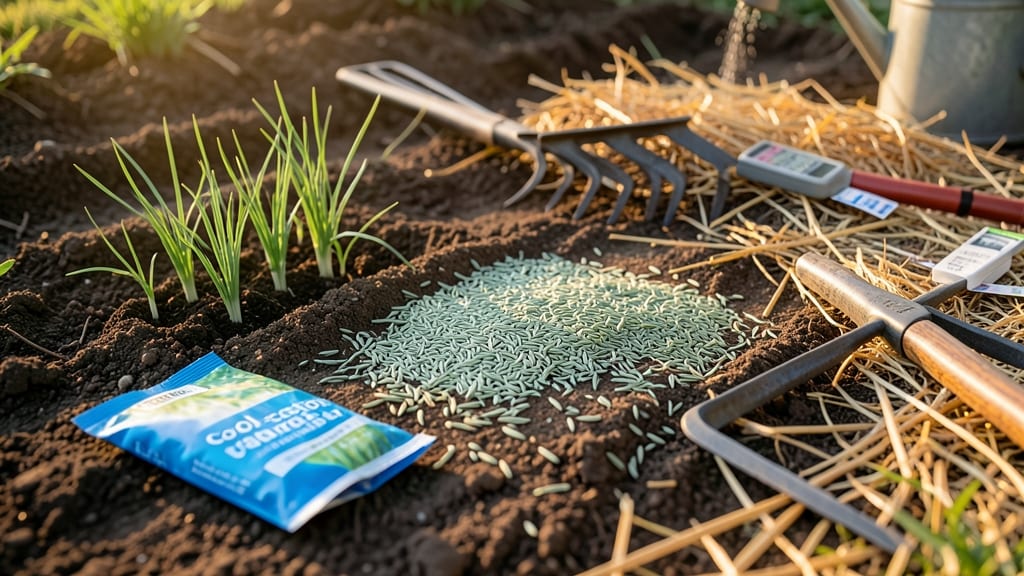
Planting grass seed in the fall is your best shot at a thick, green lawn—but get the timing wrong, and you’ll waste money and effort. The 4-6 week window before your first frost is critical, especially in USDA Zone 6a, where cooler temps help seeds germinate without stress.
Skip the guesswork and learn exactly when to plant for your region, plus soil prep secrets that make all the difference.
Why does fall work so well? Cooler air and 50-65°F soil create ideal conditions for grass roots to establish before winter, while weeds stay dormant. I’ll break down the exact deadlines for your zone, plus how to adjust if your fall arrives early or late.
No more patchy lawns—just lush growth by spring.
You’ll also discover the best grass varieties for fall planting and how to tell if you’ve sown too soon or too late. Whether you’re seeding a new yard or overseeding an existing one, these insights will save you time and frustration. Let’s get your lawn off to the right start.
From soil temperature checks to post-planting care, I’ve got you covered. By the end, you’ll know exactly when to plant for a lawn that thrives year after year. Ready to transform your outdoor space? Let’s dive in.
Fall grass seed planting deadlines by USDA hardiness zone (soil temp guide)
Fall is my favorite time to plant grass seed because cooler temperatures and consistent moisture create ideal conditions for seed germination. But timing is everything—plant too early, and weeds will outcompete your seedlings.
Plant too late, and frost can damage tender roots before they establish. The key is understanding soil temperatures and USDA zone deadlines to maximize success.
Most grass seeds germinate best when soil temperatures range between 50°F and 65°F. This window typically falls in late summer to early fall, but exact timing varies by USDA hardiness zone.
Northern zones (3-5) have shorter growing seasons, while Southern zones (8-10) can extend planting later. Let’s break down the best planting windows by zone to help you avoid common mistakes.
| USDA Zone | Ideal Planting Window | Soil Temp Range (°F) | Key Considerations |
|---|---|---|---|
| Zones 3-5 | Mid-August to early September | 50-60°F | Short growing season; prioritize root establishment before frost. |
| Zones 6-7 | Late August to mid-October | 55-65°F | Flexible window; avoid planting within 6 weeks of first frost. |
| Zones 8-10 | September to early November | 60-70°F | Warmer soils; extend planting later but avoid extreme heat. |
| Transitional Zones (7b-8a) | Late August to October | 55-68°F | Use cold-hardy varieties; monitor frost dates closely. |
To check your soil temperature, use a soil thermometer (available for under $10) and insert it 2-3 inches deep in your lawn. If temperatures dip below 50°F, wait until conditions warm up again.
In Zones 3-5, this often means starting as early as mid-August to ensure roots establish before winter.
Regional adjustments are crucial. For example, Pacific Northwest zones (6-7) may experience cooler, wetter falls, while Southern California (Zone 9-10) can plant later due to milder winters. Always check your local first frost date and aim to plant 4-6 weeks before it hits.
This gives seedlings enough time to germinate and develop a strong root system.
Another pro tip: If you’re in a transitional zone (like Zone 7b), consider using a cold-hardy grass blend that tolerates early frosts. Varieties like tall fescue or perennial ryegrass are excellent choices for these areas because they can handle cooler soils and still establish roots before winter dormancy.
Once you’ve nailed the timing, prepare your soil by removing debris, loosening compacted areas, and adding a thin layer of compost to improve drainage. This step is non-negotiable—poor soil prep leads to uneven germination and weak grass.
After planting, keep the soil consistently moist (but not soggy) for the first 2-3 weeks to encourage strong root growth.
Remember, the goal is to give your grass seed enough time to establish 6-8 inches of roots before winter. This resilience ensures your lawn bounces back quickly in spring, outcompeting weeds and filling in any bare spots.
With the right timing and care, your fall-planted lawn will be the envy of the neighborhood by next summer.
🌱
Fall grass seed planting deadlines by USDA hardiness zone (soil temp guide)
Timing your grass seed planting is all about soil temperatures and your USDA zone. The ideal window is when soil hits 50-65°F—cool enough to prevent stress but warm enough for germination.
In Zone 6a, this typically lands in late August to early October, but exact dates vary by region. Northern states get a shorter window, while Southern areas can plant later into fall.
Why does this range matter? Grass seeds need 6-8 weeks to establish roots before winter dormancy. Plant too early, and weeds take over; too late, and frost stunts growth. I’ll show you how to check soil temps at home—no fancy tools needed—and adjust for early or late falls.
Let’s dive into the zone-specific deadlines that’ll give you that perfect lawn.
To test your soil temperature, use a meat thermometer or digital soil probe. Bury it 4 inches deep in a shady spot for the most accurate reading. Morning is best—soil temps fluctuate less.
If your fall arrives early (like a hot September), wait until temps drop below 75°F to avoid stressing seeds. Southern gardeners can push into November, but avoid planting when frost is forecasted within 4-6 weeks.
Pro tip: Northern regions should plant by mid-September to ensure roots establish before winter. In Southern zones, you can extend into October or November, but watch for early cold snaps.
The key is giving seeds enough time to germinate and grow 3-4 inches tall before dormancy sets in. This ensures a thick, resilient lawn by spring.
Regional adjustments matter too. For example, Pacific Northwest gardeners might plant in late August due to cooler soils, while Southeastern states can wait until October. Always check your local frost dates and adjust the 4-6 week rule accordingly. A little planning now saves you from patchy lawns later.
Remember, soil prep is just as critical as timing. Loosen the top 2-3 inches of soil, remove debris, and level the area before seeding. This ensures good seed-to-soil contact and even germination. With the right timing and prep, your fall-planted grass will outshine spring efforts every time. 🌱