
Plants
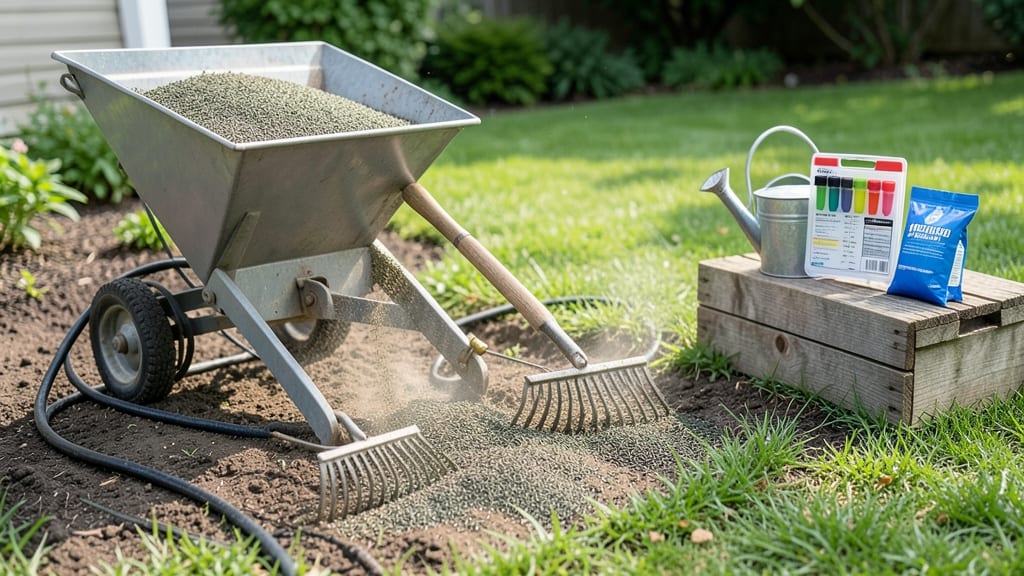
The best time to plant grass in the spring can make or break your lawn's success—especially in USDA Zone 6a, where early frosts lurk like sneaky lawn saboteurs. 🌱 Planting too soon risks stunted growth or seedling loss, while waiting too long means missed opportunities for deep root establishment before summer heat arrives.
Most gardeners swear by the 4-6 week rule before the last frost date, but timing varies based on grass type and local climate. Cool-season grasses like Kentucky bluegrass thrive when soil temps hit 50-65°F, while warm-season varieties prefer the heat of late spring.
Let me break down the exact weeks you need to aim for in your zone—plus how to prep your soil for fast, lush growth that outpaces weeds.
You’ve probably seen patchy lawns that look like they’re fighting for survival—and that’s often a timing mistake. The key isn’t just when you plant, but also how you prep the soil and choose your grass type.
I’ll walk you through the zone-specific schedule that ensures your grass takes root before summer’s dry spell hits, plus common pitfalls that even experienced gardeners fall into.
Ready to transform your yard into the envy of the neighborhood? Let’s dive into the fastest, most reliable spring planting strategy tailored to your climate—so you can enjoy that first mow of the season without stress. Your future lawn is waiting!
Optimal planting weeks before last frost by USDA hardiness zones
Timing your grass seed planting is all about the last frost date in your USDA hardiness zone. Cool-season grasses like Kentucky bluegrass and fescue thrive when planted 4-6 weeks before the last expected frost, while warm-season grasses like Bermuda and Zoysia wait until after the last frost.
The key is soil temperature—aim for 50-65°F for cool-season varieties.
Each zone has its own ideal window. For example, in Zone 3, planting starts in late April to early May, while Zone 10 gardeners can plant as early as February. Missing this window means slower germination or frost damage to tender seedlings.
Here’s how to find your exact planting window: Check your USDA zone (use the USDA Plant Hardiness Zone Map), then count backward 4-6 weeks from your average last frost date. For instance, if your last frost is May 15, plant between April 1-15.
Pro tip: Use a soil thermometer to confirm temperatures. Grass seeds need consistent warmth to sprout—cold, wet soil slows germination. If your soil is still below 50°F, wait a week or two.
Warm-season grasses like St. Augustine and Centipede have different rules. They prefer soil temps above 65°F and should be planted after the last frost, typically in late spring to early summer.
Regional variations matter too. Northern climates (like Zone 4) may see late-May planting, while Southern zones (like Zone 8) can start as early as February. Always adjust for your local microclimate—valleys stay colder longer, while urban areas may warm up faster.
Overseeding existing lawns? Follow the same timing rules, but use a slit seeder to ensure seeds make contact with soil. This method works best in fall, but spring overseeding can fill thin patches if done correctly.
Missed the spring window? Don’t panic. Fall planting (6-8 weeks before first frost) is often better for cool-season grasses because cooler temps reduce weed competition and drought stress. Warm-season grasses, however, must be planted in spring or early summer—they won’t survive winter.
For northern climates, consider winter ryegrass as a temporary cover. It germinates quickly in cool soil and protects bare spots until spring. Just
Always double-check your local frost dates—microclimates (like urban heat islands) can shift timing by 1-2 weeks. When in doubt, plant a little later rather than risking frost damage to your new lawn.
🌱
Key soil and weather conditions for spring grass planting success
Perfect timing isn’t enough—your grass seeds need the right soil temperature and moisture conditions to sprout consistently. Cool-season grasses like fescue and ryegrass thrive when soil temps hit 50-65°F, while warm-season Bermuda grass prefers 70-75°F or warmer.
Testing your soil with a simple soil thermometer (just $10 at garden centers) prevents costly mistakes.
Moisture is just as critical. Newly planted grass needs consistent dampness—not soggy or dry—to establish roots. Aim for 1 inch of water per week, applied in the early morning to reduce fungal risks. A sprinkler timer makes this effortless, ensuring your lawn gets deep, even watering without over-saturating.
Weeds are the silent saboteurs of spring lawns. They compete for nutrients and water, stealing your grass’s chance to thrive. Before planting, apply a pre-emergent herbicide (like corn gluten meal) to block weed seeds. This one step can double your grass’s growth rate by eliminating competition early.
| Condition | Ideal Range | Action Step |
|---|---|---|
| Soil Temperature | 50-65°F (cool-season) / 70-75°F (warm-season) | Use a soil thermometer; wait if below 50°F |
| Moisture Level | Consistently damp (1 inch/week) | Water deeply in morning; use timer for consistency |
| pH Level | 6.0-7.5 | Test with kit; amend with lime (raise) or sulfur (lower) |
| Weed Control | Pre-emergent applied | Use corn gluten meal 2 weeks before planting |
Don’t overlook soil preparation—this is where most gardeners go wrong. Start by removing debris and tilling the top 4-6 inches of soil to loosen compaction. Mix in 2-3 inches of compost or aged manure to boost organic matter, which improves water retention and nutrient availability.
For clay-heavy soils, add sand or peat moss to create a lighter, more workable texture.
One of my biggest spring planting secrets? Mulch lightly after seeding with straw or peat moss. This keeps soil moist, regulates temperature, and shields seeds from bird predators.
Just avoid heavy mulch—it can smother young sprouts. A thin layer (¼ inch) is all you need to protect and promote germination.
Finally, watch the weather forecast like a hawk in the days after planting. A 5-day stretch of dry heat can kill seedlings faster than frost. If rain is scarce, adjust your watering schedule to daily shallow watering until sprouts appear (usually 7-21 days for cool-season grasses).
Your goal? Keep the top inch of soil consistently damp—not soggy.