
Plants
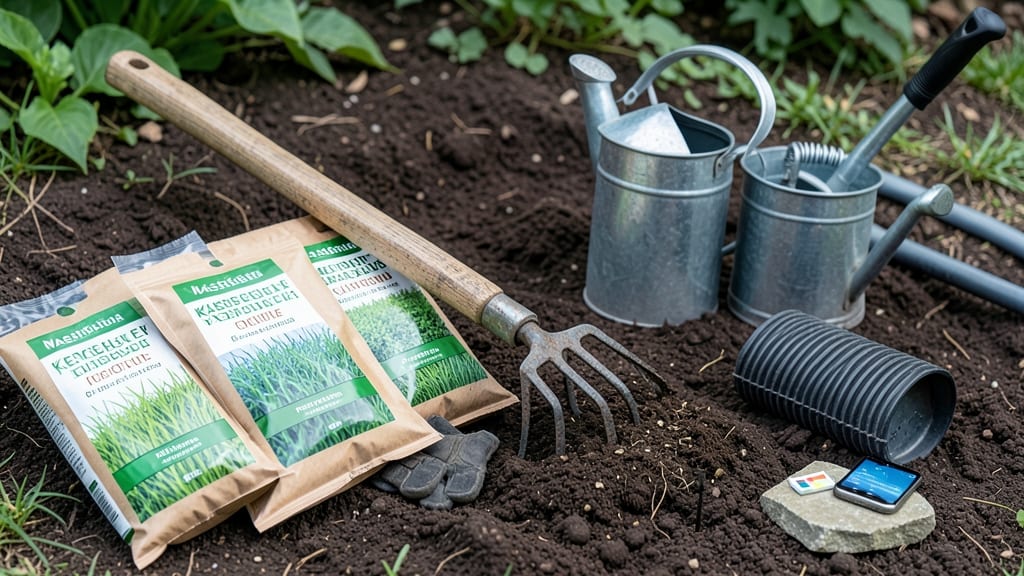
If you’ve ever stared at a patchy lawn wondering when is the best time to plant grass seed in Massachusetts, timing might be the culprit. Planting too early risks frost damage, while waiting too long invites weeds and summer drought—both kill germination before it starts.
In Massachusetts, where zones 5b-7a swing between brutal winters and humid summers, getting those deadlines right is the difference between a lush carpet and wasted effort.
Most gardeners assume spring is the only window, but fall actually offers the best success rate—if you plant before October 15. The key? Soil temps between 50–65°F, which gives seeds the perfect balance of warmth and moisture to sprout without stress.
Coastal areas like Cape Cod have slightly later windows than inland spots near Worcester, thanks to milder microclimates.
I’ll break down exactly when to plant in your specific zone, plus how to prep soil, pick the right seed mix, and avoid 3 common mistakes that derail even the most eager gardeners.
Whether you’re seeding a new yard or overhauling an old one, these steps will help you skip the guesswork and grow grass that thrives year-round.
Ready to turn that bare dirt into a green oasis? Let’s dive into the science—and deadlines—behind Massachusetts’ most reliable planting schedules.
Massachusetts grass seed planting deadlines by hardiness zone (5-7)
Massachusetts spans USDA hardiness zones 5-7, meaning your ideal planting windows vary slightly depending on whether you live in the cooler western hills (zone 5) or warmer coastal areas (zone 7).
The golden rule? Plant when soil temps hit 50–65°F (10–18°C)—this ensures consistent germination without risking summer drought or winter frost damage.
For spring planting, aim for early April to mid-May across all zones. In zone 5b (e.g., Worcester, Springfield), wait until after April 15 to avoid late frosts. Coastal zone 7a (e.g., Cape Cod, Providence) can start as early as late March if soil warms quickly.
Fall planting is often more successful in MA due to cooler temps and fewer weeds. Seed must go in 4–6 weeks before first frost (typically early September to mid-October).
In zone 6b (e.g., Boston, Hartford), this means late August to early October—but don’t wait past October 1 in inland areas.
| Zone | Spring Window | Fall Window | Soil Temp Threshold | Key Risk |
|---|---|---|---|---|
| 5a (e.g., Berkshires) | Mid-April to early May | Late August to early September | 50–55°F (10–13°C) | Late frosts |
| 5b (e.g., Worcester) | Early April to mid-May | Late August to mid-September | 50–60°F (10–16°C) | Summer drought |
| 6a (e.g., Boston) | Late March to early May | Early September to early October | 55–65°F (13–18°C) | Weed competition |
| 6b (e.g., Hartford) | Late March to mid-April | Early September to mid-October | 55–65°F (13–18°C) | Heat stress |
| 7a (e.g., Cape Cod) | Late March to early May | Early September to late October | 60–65°F (16–18°C) | Hurricane season |
Pro tip: Use a soil thermometer to confirm temps—cooler zones (5a/5b) often need 1–2 extra weeks of warming before planting. Kentucky bluegrass and fine fescue (common in MA) thrive in these windows, while tall fescue can handle slightly later spring plantings if soil is moist.
Missed the window? Don’t panic. Overseeding in late fall (November) is possible in zone 7a, but germination slows—cover seed with straw mulch to protect it from winter rains. In zone 5b and colder, wait until next spring.
Remember: Fall planting gives grass 6–8 weeks to establish roots before winter, while spring planting risks weed competition as temps rise. Coastal areas (zone 7a) have a longer fall window due to slower cooling, but inland zones must act faster.
🌱
Critical factors that determine your planting timeline in MA
Massachusetts’ variable climate means your planting success hinges on understanding four key factors: soil temperature, frost dates, rainfall patterns, and grass seed type. Each plays a critical role in setting your ideal window—skipping any can lead to poor germination or wasted seed.
First, soil temperature is non-negotiable. Grass seed needs soil between 50–65°F (10–18°C) to sprout. In MA, this typically aligns with late April to early May for spring or mid-September to early October for fall.
Use a soil thermometer to confirm—planting too early in cold soil risks rot, while waiting too late risks drought stress.
Next, frost dates dictate your deadline. MA’s average last frost is April 15, but coastal areas (Zone 6b-7a) can be 2–3 weeks earlier. For fall planting, aim to finish 4–6 weeks before first frost (typically October 15 inland, earlier coastal). Planting after frost risks seed death from freezing.
Rainfall patterns also shift by season. Spring often brings consistent moisture, but summer droughts (especially in Zone 5a) can dry out new seedlings. Fall planting benefits from cooler temps and steady rain, reducing watering demands. Always check your local 10-day forecast—aim for at least 1 inch of rain weekly or plan for irrigation.
Finally, grass seed type matters. MA’s climate favors cool-season grasses like Kentucky bluegrass, fine fescue, and perennial ryegrass, which thrive in spring/fall. Warm-season grasses (e.g., Bermuda) are rare in MA and require summer planting, but they struggle with our winters.
Mixing seed types can extend your planting window but requires precise moisture control.
Pro tip: Test your soil pH (ideal: 6.0–7.0) before planting—acidic soil (common in Zone 5a) can stunt germination. Adjust with lime if needed, but do this 4–6 weeks before seeding to avoid seed burn.
⚠️ Callout Warning Element ⚠️
⚠️ Avoid These Timing Mistakes in MA
- Planting in summer heat (June–August) causes seed desiccation—soil dries too fast.
- Ignoring frost warnings—even a light frost can kill new seedlings.
- Using warm-season seed in MA—it won’t survive our winters.
- Skipping soil prep—compacted or weedy soil blocks germination.
🌱 Remember: Spring = race against frost; Fall = race against cold.
Timing your planting around these factors ensures your grass seed germinates quickly and establishes roots before summer stress or winter freeze. For example, in Zone 5a (Western MA), aim for April 1–May 15 in spring or September 1–October 1 in fall.
Coastal Zone 6b-7a can push these windows 2–3 weeks later due to milder microclimates.
One last tip: Mulch lightly after planting (with straw, not wood chips) to retain moisture and regulate soil temp. This is especially critical in dry springs or hot falls. With the right timing and prep, your MA lawn will outperform neighbors who guess their planting window.