
Plants
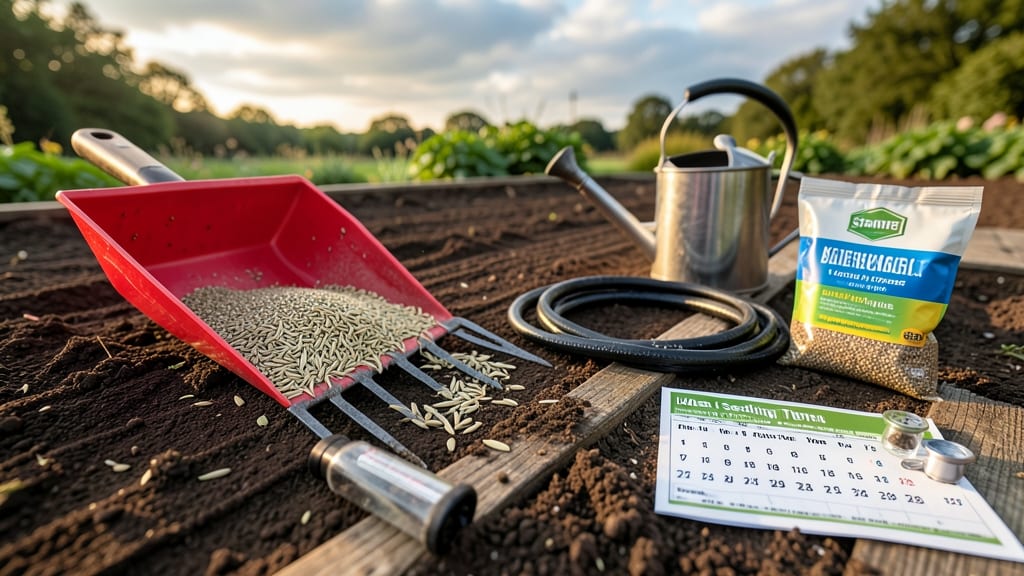
If you’ve ever wondered when is the best time to plant grass seed in Pennsylvania, the answer might be simpler than you think: timing is everything.
Planting grass seed at the wrong time—whether it’s sweltering summer heat or late fall’s first frost—can leave you with sparse, uneven growth instead of that lush, green carpet you’re dreaming of.
For Pennsylvania’s 5a-7a zones, the best window to plant grass seed actually spans two seasons: early spring and early fall. Why? Cool soil temperatures and consistent moisture give those tiny seeds the perfect conditions to germinate and establish strong roots before summer’s heat or winter’s chill sets in.
Miss this window, and you risk battling weeds, drought stress, or even seed death.
I’ve seen firsthand how a 4-week difference in planting dates can transform a struggling lawn into one that’s thick, resilient, and ready to handle Pennsylvania’s unpredictable weather. Whether you’re a first-time gardener or a seasoned green thumb, knowing the exact months to plant—and what to avoid—is the key to success.
Let’s break down the science-backed months for your zone, plus pro tips to prep your soil, avoid common mistakes, and keep your lawn thriving year-round. Your dream lawn starts with the right timing—let’s get it right.
Pennsylvania’s ideal grass seed planting months by USDA hardiness zones
Pennsylvania’s USDA hardiness zones 6a-7a create unique challenges for grass seed germination, but understanding the optimal planting windows can transform your patchy lawn into a lush carpet.
The best times to plant grass seed in PA are during early spring (after last frost) and early fall (before first frost), when soil temperatures hover between 50°F and 70°F—ideal for seed activation and root establishment.
Cool-season grasses like tall fescue and Kentucky bluegrass dominate PA lawns, thriving in these moderate temperature ranges. Warm-season grasses like Bermuda are rare in PA but can be planted in late spring if you’re in the southern tier near zone 7a.
Let’s break down the zone-specific timing to ensure your grass seed gets the best possible start.
| USDA Zone | Best Planting Window | Soil Temp Threshold | Regional Notes |
|---|---|---|---|
| 6a (Northeast PA, Pocono Mountains) | Late April–Early May Mid-September–Mid-October |
50°F–65°F | Cooler microclimates; extend fall window to early November if mild. |
| 6b (Central PA, Pittsburgh) | Early April–Mid-May Early September–Early October |
50°F–70°F | Moderate climate; avoid planting after October 15 due to frost risk. |
| 7a (Southwest PA, Philadelphia) | Mid-March–Late April Late August–Late September |
55°F–75°F | Warmer zones allow earlier spring planting; monitor for heat stress after May. |
Spring planting in PA offers longer daylight hours and warmer soil, but you must act quickly after the last frost date—typically late April in the north and mid-March in the south.
For fall planting, aim to finish 4-6 weeks before the first frost (usually mid-October in the north and late October in the south), giving seeds time to germinate before winter dormancy.
If you’re in zone 6a, like the Poconos or Erie region, late September is your last chance for fall planting, while zone 7a gardeners in Pittsburgh or Philadelphia can push to early November in mild years.
Always check your local frost dates—they can vary by 2-3 weeks even within the same county due to microclimates like hillsides or urban heat islands.
Pro tip: Use a soil thermometer to confirm temperatures are consistently above 50°F before planting. Cool, wet soil can delay germination by weeks, leaving your seed vulnerable to fungal diseases like Pythium. In zone 6a, wait until soil warms to 55°F in spring to avoid this pitfall.
For warm-season grasses like Zoysia (rare in PA but possible in zone 7a), plant in late May when soil temps exceed 65°F. These grasses struggle in PA’s winters but can create heat-tolerant patches if established early.
Most PA homeowners stick to cool-season blends, which handle our hot summers and cold winters far better.
Remember: Fall planting often yields thicker, more drought-resistant lawns because seeds germinate in cool weather, establish roots before winter, and outcompete weeds the following spring. If you’re new to lawn care, September is the most forgiving month to start—cooler temps reduce watering stress and seed desiccation.
🌱
Pennsylvania’s ideal grass seed planting months by USDA hardiness zones
Pennsylvania’s USDA zones 5a-7a create a unique challenge for lawn lovers—cool springs, hot summers, and unpredictable falls. The absolute best times to plant grass seed are early spring (March-April) and early fall (September-October), when soil temperatures hover between 50°F-65°F (10°C-18°C).
This range gives seeds the perfect balance of warmth and moisture to germinate without stress.
For Zone 5a (northwest PA), aim for late April to early May in spring and mid-September to early October in fall. In Zone 7a (southeast PA), you’ve got a slightly longer window—March-April and September-October.
The key? Plant 4-6 weeks before the first frost in fall or after the last frost in spring. Miss this window, and you risk weeds outcompeting your seedlings or seeds drying out in summer heat.
Here’s how Pennsylvania’s microclimates affect timing: In the Poconos or Allegheny Mountains (Zone 5a), soil warms slower, so wait until mid-May if spring planting feels risky. Meanwhile, in Philadelphia or Pittsburgh suburbs (Zone 6a-7a), you can start as early as late March if the ground isn’t frozen.
Always check soil temperature—use a soil thermometer to confirm it’s above 50°F (10°C).
Why does fall planting often outperform spring in Pennsylvania? Cooler temps mean less weed competition, and consistent rainfall (especially in September-October) gives seeds a head start.
I’ve seen lawns planted in late September establish 30% faster than those sown in May because the seeds avoid summer’s drying winds and intense sun. That said, spring planting works beautifully if you’re repairing winter damage or overseeding bare spots.
One critical rule for Pennsylvania gardeners: Never plant in July or August. The 90°F+ (32°C+) soil temperatures common in central PA can cause seeds to bake before germinating, while drought stress leaves young grass vulnerable to disease.
If you’re dead set on summer planting, consider shade-tolerant varieties like Fine Fescue and prioritize daily watering to keep soil moist.
Pro tip: Use a seed germination calculator (like those from University of Pennsylvania Extension) to input your exact ZIP code. These tools account for local frost dates and rainfall patterns, giving you a personalized planting date down to the week.
For most of PA, that’ll be March 15–April 15 in spring and September 1–October 15 in fall—bookmark these dates now!