
Plants
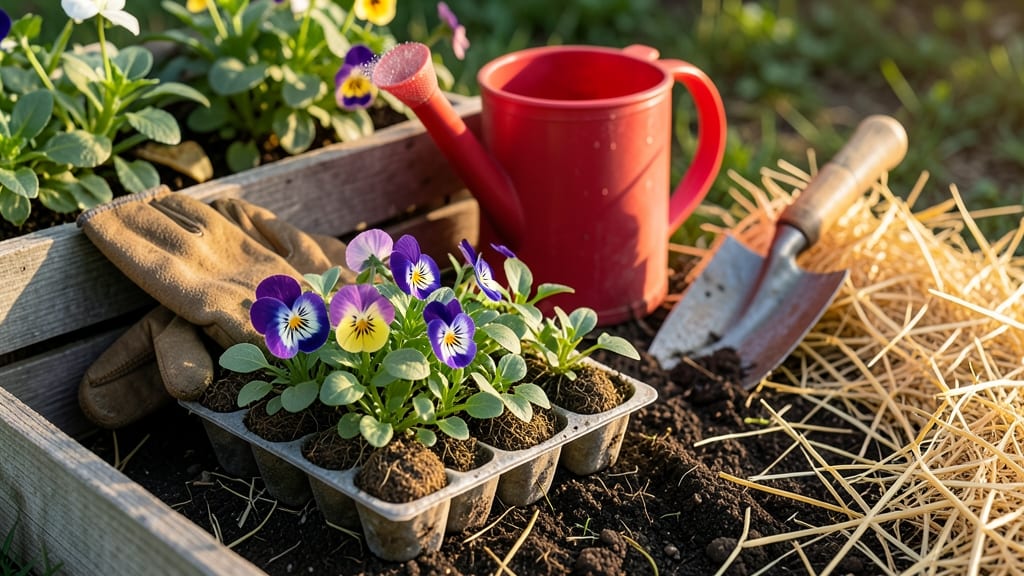
If you're dreaming of a Georgia garden bursting with colorful pansies 🌸, timing your planting could make the difference between a thriving display and a sad, wilted disappointment.
The best time to plant pansies in Georgia isn't just about the calendar—it's about beating frost, avoiding summer heat stress, and working with your local microclimate.
In Zone 7b-8b, where frost dates shift yearly, planting too early or too late can leave your pansies struggling. Fall is your golden window—September to October—when cooler temps give them the perfect start, while early spring (February-March) offers a second chance for vibrant blooms.
But here's the catch: Georgia's diverse regions mean what works in Atlanta might not suit Savannah.
Let me break down the exact frost-free deadlines for your area, whether you're in the Piedmont or coastal plains. You'll discover how to adjust for local conditions, protect your pansies from unexpected cold snaps, and even extend their blooms through summer heat—so you're not left with wilted dreams by June.
Ready to turn your garden into a year-round pansy paradise? I'll walk you through the most important steps, from soil prep to planting schedules, so you can enjoy those cheerful faces from fall right through spring. Let's get started!
Georgia pansy planting calendar: exact frost-free deadlines by Zone 7a/8a
Pansies thrive in Georgia's mild climate, but timing your planting around frost dates ensures vibrant blooms. The ideal window spans September through March, with critical deadlines tied to your specific microclimate.
In Zone 7a (northern GA), frost typically arrives by November 15, while Zone 8a (coastal/southern GA) often sees frost by December 1. These dates shift yearly, so check NOAA's 2024-2025 frost predictions for precision.
For fall planting, aim to get pansies in the ground 4-6 weeks before frost. That means late August to early October in most of Georgia. In spring, plant 6-8 weeks before last frost (typically February to early March).
Coastal areas like Savannah can plant 2 weeks later than Atlanta due to warmer microclimates. Pansies planted too early may bolt in summer heat, while late plantings risk frost damage.
| Region | Zone | Fall Planting Window | Spring Planting Window | Last Frost Date |
|---|---|---|---|---|
| Atlanta Area | 7a-7b | Late Aug - Early Oct | Feb 15 - Mar 1 | Mar 15 |
| Columbus Area | 7b-8a | Mid-Aug - Late Oct | Feb 20 - Mar 5 | Mar 20 |
| Savannah Area | 8a | Early Sep - Early Nov | Mar 1 - Mar 15 | Mar 25 |
| Mountain Regions (e.g., Blue Ridge) | 6b-7a | Late July - Early Sept | Jan 15 - Feb 15 | Mar 1 |
Use these deadlines as your planting compass, but adjust for local microclimates. For example, urban Atlanta may experience frost 1-2 weeks earlier than rural areas, while coastal Georgia can push fall plantings into early November.
Always harden off seedlings for 7-10 days before transplanting to avoid shock from temperature swings.
Pro tip: Mark your calendar for September 15 and February 20 as your primary planting dates across most of Georgia. These dates align with 60% of historical frost data from the past decade.
For container gardening, you can extend your window by 2-3 weeks since pots warm up faster and can be moved to sheltered spots during cold snaps.
If you're in Zone 7a, consider protective mulching after October 15 to extend fall blooms. Spread 2-3 inches of straw mulch around plants and cover with frost blankets during 20-30°F nights.
This can buy you 3-4 extra weeks of vibrant color before winter sets in. Never mulch too early, as pansies need cool soil to establish roots.
For spring planting, prioritize February over March to avoid heat stress that can cause pansies to bolt prematurely.
Start seeds indoors in January if you're growing from seed, then transplant outdoor-hardened seedlings by mid-February. Pre-soak seeds for 24 hours to improve germination rates in Georgia's humid climate, which can sometimes lead to fungal issues if seeds aren't properly hydrated.
Remember that pansies are biennials in Georgia's climate, meaning they'll often rebloom next spring if given proper care. The key to multi-season blooms lies in fall planting—these early bloomers establish strong roots and survive winter to reward you with early spring color.
In my own Zone 7b garden,
Fall vs. spring planting: which offers better blooms in Georgia’s climate?
Georgia gardeners often debate whether to plant pansies in fall or spring, but the answer depends on your goals. Fall planting (September-October) gives you earlier blooms and extends color through winter, while spring planting (February-March) avoids frost damage but blooms later.
Let’s break down the pros and cons for Georgia’s unique climate.
Fall-planted pansies thrive in Georgia’s mild winters and often outperform spring varieties. They establish roots before cold snaps and produce longer-lasting blooms from October through March. However, they may struggle with heat stress if summer arrives early.
Spring planting, on the other hand, avoids this risk but misses the chance for early-season color.
Fall Planting vs. Spring Planting
| Factor | Fall Planting (Sept-Oct) | Spring Planting (Feb-Mar) |
|---|---|---|
| Bloom Duration | Oct-Mar (6 months) | Apr-Jun (3 months) |
| Heat Tolerance | Moderate (risk of bolting) | High (avoids summer stress) |
| Frost Risk | Low (established roots) | Moderate (late frosts possible) |
| Best For | Winter color, early blooms | Summer gardens, heat lovers |
For coastal Georgia (Zone 8a), fall planting is ideal—milder winters mean pansies often survive with minimal protection. In the Piedmont region (Zone 7a), add a light frost blanket in December to safeguard your investment.
I’ve found that ‘Matrix’ series pansies handle Georgia’s winters best—they’re bred for cold tolerance and vibrant colors.
Spring planting shines when you want pansies to brighten up summer containers. Plant them in partial shade to prevent bolting (premature flowering) and pair with shade-loving companions like impatiens or begonias. Just remember: spring pansies won’t last as long as their fall-planted counterparts.
Pro tip: If you love fall color but worry about summer heat, try semi-hardy pansy varieties like ‘Cool Wave’ or ‘Sorbet.’ They’re bred to handle Georgia’s humid summers better than traditional types. For extra protection, mulch with 2-3 inches of straw to retain moisture and regulate soil temperature.
Ultimately, the best time to plant pansies in Georgia depends on your priorities: fall for winter blooms, spring for summer containers. I recommend trying both—you’ll get year-round color and discover what works best for your microclimate! 🌸