
Plants
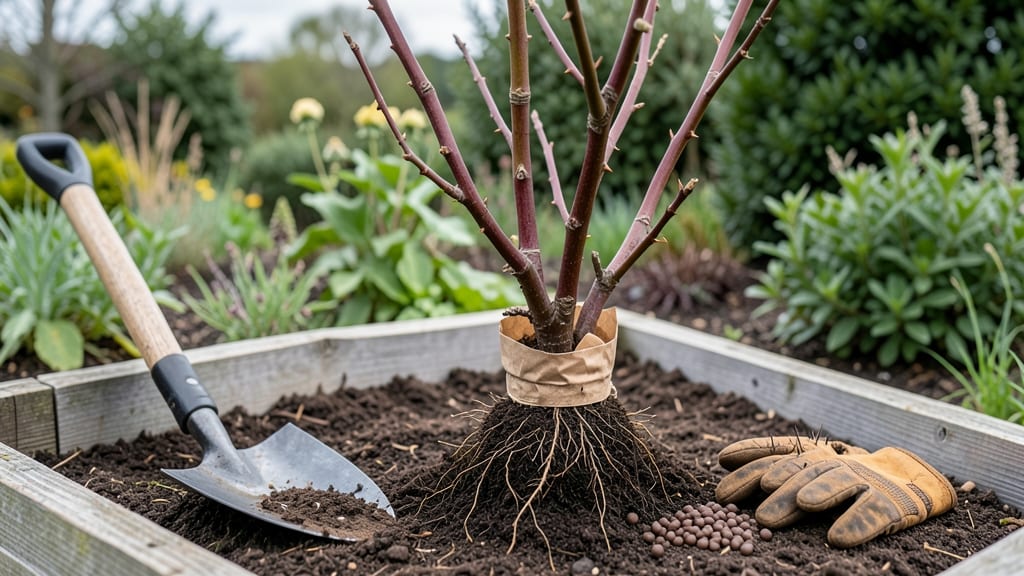
Planting roses in Arizona during the scorching summer months is a recipe for disaster—but timing your 🌹 rose planting just right can mean the difference between thriving blooms and wilting disappointment.
The key isn't just avoiding the heat; it's leveraging Arizona's mild winter to give your roses the strong root system they need before summer's brutal return.
If you've ever watched a rose struggle under the desert sun, you know how critical this window is. The best time to plant roses in Arizona falls between November and February, when cooler temperatures and shorter days create ideal conditions for root establishment.
This isn't just theory—it's what separates successful desert gardeners from those who give up after their first attempt.
What makes Arizona's climate unique is how quickly the heat ramps up after March. Without proper planning, your roses could spend their first summer fighting for survival instead of flourishing.
I'll show you exactly how to prepare your soil, select the right varieties, and establish a care routine that beats the heat before it even arrives.
Whether you're a first-time gardener or a seasoned plant parent, these cool-season tricks will help you grow roses that not only survive Arizona's extremes but thrive in them. Let's get your garden off to the best possible start.
Arizona’s ideal rose planting windows: cool-season secrets for success
Arizona’s desert climate makes summer planting a death sentence for roses—temps often exceed 100°F, and the soil can fry tender roots. But timing your planting right means your roses will establish strong roots before summer’s brutal return.
The perfect windows are November through February, when cooler temps and occasional rains give your roses the best shot at survival.
Why these months? Fall planting (November-December) lets roses grow roots before winter dormancy, while winter planting (January-February) avoids the worst heat. Even March can work in cooler high-desert areas like Flagstaff, but Phoenix gardeners should wait until late fall to avoid stress.
The key is soil temperature—keep it below 70°F for optimal root growth.
Here’s how Arizona’s microclimates affect your timing: Phoenix’s low desert (USDA Zone 9b-10a) needs November-January planting, while Flagstaff’s high desert (Zone 7b) can handle March plantings. Elevation matters—higher areas stay cooler longer, giving you a longer planting window.
Bare-root roses are your best bet in Arizona—they’re hardier and establish faster than potted varieties. Plant them in late fall (November) to let roots grow before summer heat arrives. Container-grown roses can go in winter, but they’ll need extra watering to compensate for their slower root establishment.
One critical rule: Never plant roses in Arizona’s summer (April-October). The intense sun and dry winds will shock your plants, causing wilting or death. Even spring planting (March) is risky unless you’re in a shaded, high-elevation spot.
🌹
| Planting Window | Best For | Soil Temp | Arizona Regions | Key Tip |
|---|---|---|---|---|
| Late Fall (November) | Bare-root roses | Below 70°F | Low desert (Phoenix) | Plant before first frost risk |
| Winter (December-February) | Potted roses | 40-60°F | High desert (Flagstaff) | Mulch heavily to retain moisture |
| Early Spring (March) | High-elevation only | 50-65°F | Flagstaff, Sedona | Avoid low desert—heat stress risk |
| Summer (April-October) | Never recommended | Above 80°F | All regions | Roots will bake—plant at your peril |
The coolest months (December-January) are ideal for container-grown roses because the air is crisp, and evaporation is low.
If you plant in January, give your roses a light fertilizer in early spring to kickstart growth before summer. February is the last safe month—after that, the desert sun becomes too intense.
Pro tip: Use a soil thermometer to check temps before planting. Aim for 60-70°F—any hotter, and your roses will struggle. Morning planting (before 10 AM) reduces stress from afternoon heat, even in cooler months.
For Phoenix gardeners, focus on November planting—this gives roots 4-5 months to establish before summer. In Flagstaff, you can stretch into early April, but monitor soil moisture closely, as high-desert winds dry soil faster than you’d expect.
If you miss the ideal window, don’t panic—just delay planting until the next cool season.
A shaded, mulched bed can extend your planting window by a month or two, but it’s still better to wait for cooler temps. Patience pays off—your roses will thank you with vibrant blooms next spring.
🌿
Arizona’s ideal rose planting windows: cool-season secrets for success
Arizona’s desert climate makes rose planting timing the single most important factor for success. Unlike temperate regions, where spring is ideal, Arizona’s cooler winter months (November through February) offer the perfect window for establishing strong roots before summer’s brutal heat arrives.
This isn’t just about avoiding heat—it’s about leveraging Arizona’s mild winter temperatures (typically 50–70°F) to give your roses time to develop a robust root system. Planting in summer means your roses will struggle to establish before temperatures soar above 100°F, often leading to stress, disease, and even death.
Here’s the breakdown of Arizona’s two best planting periods and why they work:
| Planting Window | Ideal Temperatures | Why It Works | Arizona-Specific Tips |
|---|---|---|---|
| Late Fall (November) | 50–65°F | Cooler temps reduce transplant shock; roots establish before summer. | Avoid planting after Thanksgiving—soil may still be warm in southern Arizona. |
| Winter (December–February) | 45–70°F | Minimal heat stress; consistent moisture supports root growth. | January is ideal for bare-root roses—soil is cool but workable. |
🌹 Pro Tip: In Phoenix, plant by mid-November; in Flagstaff, extend to early March due to cooler microclimates.
Arizona’s USDA Zone 9b climate means frost is rare, but nighttime temperatures can still dip into the 30s°F in higher elevations. If you’re in Flagstaff or Prescott, choose cold-hardy varieties like ‘Knock Out’ roses or ‘Earth-Kind’ roses, which tolerate brief chills better than tropical hybrids.
Even in Phoenix or Tucson, where frost is nearly nonexistent, the key is watering consistency and mulching. Without these, your roses will struggle to establish roots before the heat peaks in May.
I’ve seen firsthand how a rose planted in March can wilt by June—don’t let that be you!
For container-grown roses, the timing is slightly more flexible, but still follow the cool-season rule. Potted roses dry out faster in Arizona’s dry air, so choose self-watering containers and monitor soil moisture daily during the ideal planting window.