
Plants
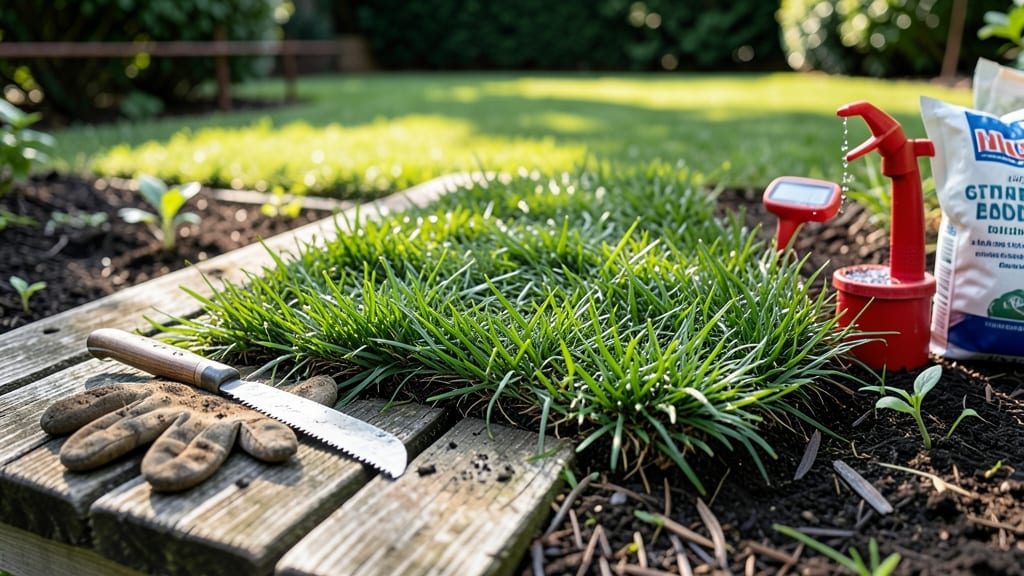
If you're dreaming of a lush, green lawn in Texas, timing your St. Augustine Grass 🌱 planting is the key to success—or failure. Planting too early risks frost damage, while waiting too long means battling scorching heat before roots take hold.
Texas gardeners know the struggle: the perfect window is narrow, but getting it right means the difference between a vibrant yard and a patchy disappointment. I’ve helped countless neighbors transform their lawns by mastering this critical timing, and I’m sharing the exact strategy that works.
You’ll discover when soil temperatures hit that 65°F sweet spot—the magic number for root growth—and how regional differences (North vs. South Texas) shift your planting schedule. Plus, I’ll reveal the 3 biggest mistakes that derail even the most eager gardeners.
Ready to plant with confidence? Let’s dive into the best months, soil prep secrets, and care tips that’ll have your grass thriving all summer long.
Optimal planting windows for St. augustine grass in Texas regions
Texas gardeners know timing is everything when planting St. Augustine grass. This warm-season grass thrives in 65°F+ soil temperatures, making early spring and late summer the sweet spots for planting. But Texas isn’t one-size-fits-all—regional climate zones dictate the best windows for your lawn’s success.
North Texas (USDA Zones 8a-8b) has cooler springs and earlier frosts, while South Texas (Zones 9a-10b) enjoys longer growing seasons. Even Central Texas (Zone 8a) has microclimates that shift planting windows by weeks. Let’s break down the ideal months for each region to avoid cold damage or summer stress.
Here’s how soil temperature and regional climate zones determine your perfect planting window:
| Region | USDA Zone | Best Planting Window | Soil Temp Threshold | Key Consideration |
|---|---|---|---|---|
| North Texas | 8a-8b | Late April–May | 65°F+ (consistent) | Avoid early spring frosts (risk after Feb 15) |
| Central Texas | 8a | March–April or August–September | 65°F+ (spring) / 75°F+ (fall) | Spring heat arrives fast—plant early! |
| South Texas | 9a-10b | February–March or August | 65°F+ (soil warms earlier) | Longer growing season—avoid peak summer heat |
For North Texas gardeners, late April to May is critical. Soil temperatures finally stabilize above 65°F, reducing frost risk while giving seedlings time to establish before summer’s brutal heat. Planting earlier risks cold snaps, while waiting too long means battling drought stress.
Central Texas offers a dual window: spring (March–April) or early fall (August–September). Spring planting requires vigilance—soil warms quickly, and summer arrives faster than you think. Fall planting, however, lets grass establish roots before winter dormancy, creating a stronger lawn by spring.
South Texas gardeners enjoy the most flexibility. February–March planting capitalizes on early warmth, while August planting avoids the worst summer heat. Just ensure soil stays moist during establishment—drought stress is the biggest enemy in this region.
Regardless of region, always check soil temperature before planting. Use a soil thermometer (insert 4 inches deep) to confirm consistency. If temps dip below 65°F, wait—your grass won’t thrive, and you’ll waste money on seed or sod.
Pro tip: Floratam and Palmetto varieties handle heat better than others. If you’re in South Texas, these are your best bets for year-round resilience. For North Texas, stick to early spring planting to outpace summer’s intensity.
Timing isn’t just about months—it’s about microclimates. Shady spots stay cooler longer, while south-facing lawns heat up faster. Adjust your window by 1–2 weeks based on your yard’s exposure. A little flexibility goes a long way in Texas’s unpredictable climate.
Finally, remember: fall planting (August–September) is often underrated. Cooler temps and higher humidity create ideal conditions for root growth before winter. Many Texas gardeners swear by this window for the healthiest, most drought-resistant lawns.
Key factors that determine the perfect planting time
Timing your St. Augustine grass planting isn't just about picking a month—it's about understanding Texas' unique climate. While soil temperature is the #1 factor, rainfall patterns and humidity levels play equally critical roles in ensuring your grass takes root without stress.
In North Texas, for example, you might face dry springs that require extra irrigation, while South Texas often gets sudden summer downpours that can drown young plants if not managed.
I always check soil moisture retention before planting. Sandy soils in West Texas dry out faster than clay soils in East Texas, meaning your watering schedule must adapt. A simple DIY moisture test—digging 6 inches deep and checking if the soil feels damp—can save you from overwatering or underwatering.
For precise guidance, a professional soil analysis (around $20) reveals pH levels and nutrient deficiencies that could sabotage your lawn's start.
Don't overlook humidity's role—high humidity in Houston or Dallas can create ideal conditions for fungal diseases if your grass isn't established. Aim for 60-70% humidity during planting to balance growth and disease risk.
I use a hygrometer (under $15) to monitor levels, especially in late spring when Texas heat ramps up.
Another pro tip: Plant in early morning to give seedlings a head start. The coolest soil temps occur right after sunrise, reducing heat stress. I also recommend mulching with straw (not wood chips) to retain moisture and regulate temperature.
For shady areas, choose Palmetto variety—it tolerates 30% less sunlight than Floratam.
If you're planting in late summer, monitor hurricane season risks (June-November). A temporary windbreak (like bamboo stakes) can protect young grass from storm damage. Always water deeply before storms to help roots anchor better.
Remember: Texas' erratic weather means flexibility is key. If a cold front delays spring planting, shift to early fall—just ensure temps stay above 60°F at night. The goal is consistent warmth, not a specific calendar date.