
Plants
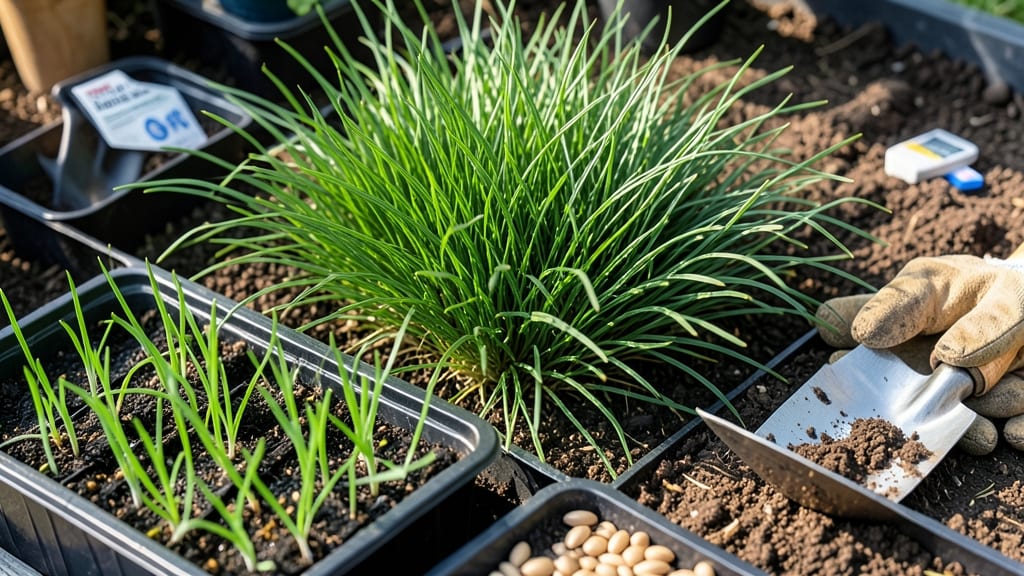
Timing your cool season grass planting in spring is the game-changer between a vibrant lawn and one that struggles to take hold.
In USDA Zone 6a, where I live, getting this right means avoiding the double threat of late frosts and scorching summer heat that can derail your grass before it even gets started.
You might think "early spring" means as soon as the snow melts, but that’s where most people go wrong. Planting 🌱 cool season grass too soon—when soil temps are still chilly—delays germination, while waiting too long risks summer heat stress.
The sweet spot? 4-6 weeks before your last frost date, when soil temperatures hit that perfect 50-65°F range for optimal root development.
Let me walk you through exactly how to calculate your local planting window, which grass varieties handle late starts best, and the simple soil prep steps that make all the difference.
By the end, you’ll know not just when to plant, but how to set your grass up for success—even if you’ve missed the "ideal" window.
Whether you’re seeding a new lawn or overseeding an existing one, these insights will help you skip the guesswork and get that lush, green carpet you’re dreaming of. Ready to turn your spring lawn plans from uncertain to unstoppable?
Optimal soil temperature for planting cool season grass in spring
Spring is the perfect time to plant cool-season grass, but getting the soil temperature right is critical. These grasses thrive when soil temps range between 50°F and 65°F. Planting too early—when soil is still cold—delays germination, while waiting too late risks summer heat stress or early frost damage.
For example, Kentucky bluegrass and tall fescue germinate best at 60-65°F, while ryegrass can handle slightly cooler soil at 50-55°F. If you plant when soil is too warm, seeds may dry out before sprouting, leading to patchy lawns.
To test your soil temperature, use a simple soil thermometer (available for under $10). Insert it 2 inches deep in the ground and check temps in the morning. Aim for 55°F or warmer before planting. If it’s cooler, wait a few days—grass seeds won’t germinate well in cold soil.
Another key factor is air temperature. Even if soil is warm, cold nights can stress young seedlings. Look for a stretch of 5-7 consecutive days with daytime highs above 60°F and nighttime lows above 40°F. This consistency gives seeds the best chance to establish roots.
If you’re in a warmer climate (USDA Zones 8-10), spring planting may need to happen earlier—sometimes as early as February—to avoid summer dormancy. In cooler zones (Zones 3-6), wait until late April or early May when frost risk has passed.
Pro tip: Mulch lightly (with straw or peat moss) after planting to retain moisture and regulate soil temperature. This helps seeds stay hydrated and germinate faster, especially in dry or windy conditions.
⚠️ Non-Negotiable: Never plant when soil is below 50°F—seeds won’t sprout, and you’ll waste money on seed and prep work. Always prioritize soil temperature over calendar dates.
| Factor | Ideal Range | Risk of Planting Outside Range |
|---|---|---|
| Soil Temperature | 50°F–65°F | Slow germination (<50°F) or seed death (>65°F) |
| Air Temperature (Day) | 60°F+ | Stress on seedlings (below 50°F) |
| Air Temperature (Night) | 40°F+ | Frost damage to new shoots |
| Consistent Warmth | 5+ consecutive days | Patchy germination from fluctuating temps |
| Mulch Thickness | ¼ inch straw/peat | Too thick = suffocates seeds; too thin = poor moisture retention |
One common mistake is relying on air temperature alone. A sunny 70°F day might feel perfect, but if the soil is still 45°F, seeds won’t germinate. Always check soil temp—it’s the most reliable indicator of planting readiness.
If you’re unsure about your local soil conditions, consider a soil test kit (available at garden centers). These kits also check pH levels, which should be between 6.0 and 7.0 for cool-season grasses. Adjusting pH before planting ensures better nutrient uptake and faster establishment.
For northern regions (Zones 3-5), aim to plant 4-6 weeks before your last frost date. In southern regions (Zones 7-10), plant 2-3 weeks before summer heat arrives (typically by early April). This timing gives grass time to establish before summer dormancy sets in.
Finally, remember that seed variety matters. Some grasses, like perennial ryegrass, germinate faster in cooler soil, while others, like fine fescue, prefer slightly warmer conditions. Always check the seed packet for specific recommendations.
By focusing on soil temperature, not just the calendar, you’ll give your cool-season grass the best start possible. A well-timed planting leads to a thicker, greener lawn that outcompetes weeds naturally.
Calculating your local frost-free deadline for spring grass planting
Finding your local frost-free deadline is the first step to planting cool-season grass at the perfect time. In my experience, even a 1-2 week delay can mean the difference between a thriving lawn and one that struggles to establish.
For USDA Zone 6a, where I live, the average last frost date is around April 15, but your exact date depends on elevation, proximity to water, and local microclimates.
Start by checking the USDA Plant Hardiness Zone Map for your area—this gives you a baseline. Then, adjust for your specific location. High-altitude areas (like mountain towns) often have later frost dates, while coastal regions may see earlier thaws.
For example, if you live near a large lake, your frost-free date could be 2-3 weeks earlier than inland areas at the same latitude.
Next, use a local weather service or gardening app to track historical frost data for the past 5 years. Look for the average last frost date in your area, then subtract 4-6 weeks to determine your ideal planting window.
This buffer ensures your grass has time to germinate and establish roots before summer heat arrives.
⚠️ Watch for Late Frost Risks
Planting too early exposes young grass to late frosts, which can kill tender seedlings. Even if your average last frost is April 15, a cold snap in May can still damage new growth. Always wait until the soil temperature consistently stays above 50°F for at least a week before planting.
Pro Tip: Use a soil thermometer to monitor temperatures at a 4-inch depth—this is where grass roots will grow. If temps dip below 45°F, delay planting until conditions stabilize.
For those in warmer southern climates (Zones 7-9), the window shifts earlier—aim for February to early March—while northern gardeners (Zones 4-5) may need to wait until late April or early May.
If you’re unsure, err on the side of waiting. Grass planted in warmer soil (above 65°F) will struggle to germinate, even if frost isn’t a concern.
Once you’ve nailed down your frost-free date, mark your calendar for 4-6 weeks prior. This gives your grass the 6-8 weeks it needs to establish before summer heat sets in.
For example, if your last frost is May 1, plant in mid-to-late March to ensure your lawn is fully rooted by June.
Remember, microclimates matter. A south-facing slope warms up faster than a north-facing yard, so adjust your planting window accordingly. If you’re in a valley or low-lying area, frost can linger longer—always check local records or ask neighbors with established lawns when they planted their grass.