
Flowers
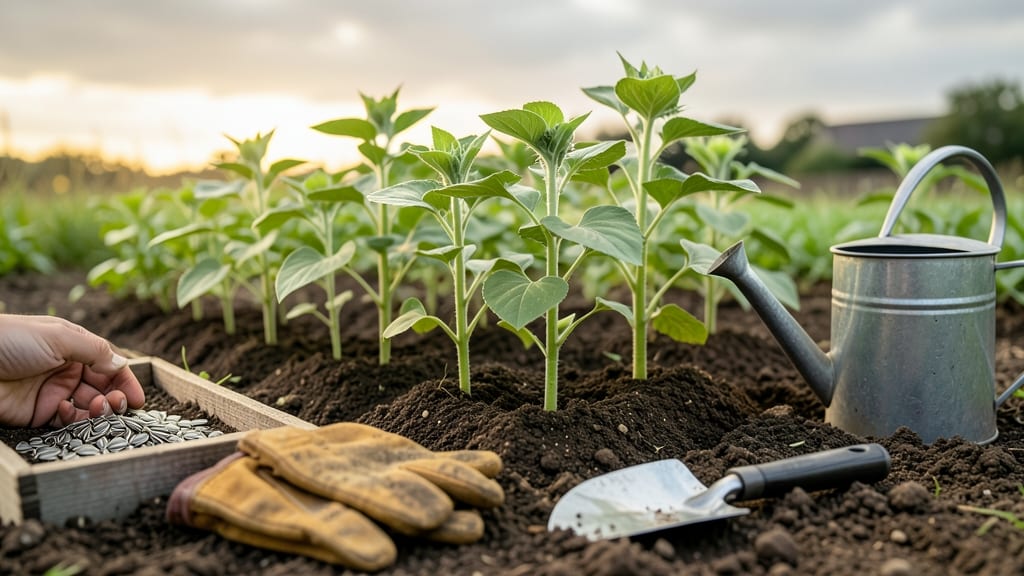
If you're wondering when is the best time to plant sunflowers in Florida, you're not alone—many gardeners struggle with them wilting under the sun or bolting too soon.
The key to growing towering, vibrant 🌻 sunflowers in Florida's unique climate isn't just about throwing seeds in the dirt—it's about timing everything perfectly.
Florida's frost-free zones (9a-11) give you year-round planting flexibility, but that doesn't mean you can plant whenever you want. In fact, planting at the wrong time is one of the biggest mistakes gardeners make, leading to weak stems, poor blooms, or even total failure.
The secret lies in understanding how Florida's microclimates and seasonal heat affect sunflower growth.
I've seen gardeners in North Florida (like Jacksonville) get frustrated when their sunflowers wilt in summer heat, while those in South Florida (like Miami) struggle with early bolting. The solution?
Planting in Florida's ideal windows—late fall through early spring—when temperatures are cooler and more predictable. This is when sunflowers establish strong roots before summer's intensity kicks in.
In this guide, I'll show you exactly when to plant for maximum success, plus the three deadly mistakes that even experienced Florida gardeners make—and how to avoid them. Let's get those sunflowers growing tall and proud!
Florida’s ideal sunflower planting calendar: month-by-month breakdown
Florida’s frost-free climate means you can plant sunflowers year-round, but timing matters for optimal growth and vibrant blooms. Unlike northern states, Florida’s three distinct microclimates—North, Central, and South—create unique planting windows.
The key is avoiding peak summer heat (above 90°F) and humidity spikes that stress young plants.
For North Florida (USDA Zones 8a-9a), focus on late winter to early spring (January–March) to capitalize on cooler temperatures and longer daylight.
In Central Florida (Zones 9a-9b), you can extend planting to fall (September–November) for extended blooming. South Florida (Zones 10a-11) enjoys year-round planting, but avoid July–August when heat stress stunts growth.
Here’s the month-by-month breakdown tailored to Florida’s regions, including soil prep, watering needs, and bloom timing to ensure your sunflowers reach their full 10–15-foot potential.
In North Florida, where cooler nights prevail, aim for January–March to give sunflowers 60–75°F soil temperatures—ideal for rapid germination. Fall planting (September–November) is a hidden gem here, as shorter days trigger earlier blooming before winter’s mild chill.
Use black plastic mulch to warm soil 5–10°F faster in early spring.
For Central Florida, February–April is prime time, but August–October works too if you shade seedlings from intense afternoon sun. The trade-off: Fall-planted sunflowers may bolt (flower too fast) due to longer daylight, so choose shorter varieties like ‘Teddy Bear’ (3–4 ft) for controlled growth.
South Florida’s tropical climate lets you plant any month, but January–May and September–December yield the healthiest, tallest sunflowers. June–July is the only true “off-season”—soil can hit 95°F+, causing seedlings to wilt within days. If you must plant then, use shade cloth and water twice daily.
Regardless of region, prep soil 2–3 weeks before planting by amending with compost and a balanced 5-10-10 fertilizer. Sunflowers hate soggy roots, so ensure well-draining soil—especially in flat, humid areas like South Florida’s Everglades region. Raise beds 6–12 inches if your soil stays waterlogged.
After planting, water deeply 2–3 times per week (more in summer) and mulch with straw to retain moisture. Stake tall varieties (like ‘Mammoth’) in
3 Deadly sunflower planting mistakes Florida gardeners make (and how to avoid them)
Even experienced Florida gardeners make critical mistakes when planting sunflowers, and these errors can turn your dreamy 🌻 sunflowers into sad, stunted plants. The first mistake? Planting during peak summer heat when soil temperatures exceed 90°F.
Sunflower seeds need consistent moisture to germinate, but Florida’s summer sun dries out soil too quickly, leaving you with bare patches instead of blooms.
I’ve seen gardeners in South Florida (like Miami) rush to plant in May or June only to watch their seeds fail to sprout. The solution? Wait until late summer (August-September) when temperatures start cooling slightly, or better yet, plant in fall (October-November) for ideal germination.
⚠️ Deadly Mistake #1: Planting in Peak Summer Heat
Sunflower seeds won’t germinate in soil hotter than 90°F. Florida’s summer sun turns soil into a drying oven, causing seeds to rot before sprouting. Even if they do sprout, seedlings bolt too quickly, producing weak stems and small blooms.
✅ Fix: Plant in fall (October-November) or late summer (August-September) when soil temps drop below 85°F. Use shade cloth if planting in early summer to protect seeds.
The second deadly mistake is ignoring soil preparation. Florida’s sandy soils drain too fast, leaving sunflowers thirsty and stunted. Many gardeners skip amending the soil, assuming sunflowers are low-maintenance. But in reality, they need rich, well-draining soil with organic matter to support their rapid growth.
I once saw a 10-foot sunflower in a neighbor’s yard—until I noticed their soil was pure sand. Without proper nutrient retention, the plant struggled to hold water or absorb essential minerals.
The result? A weak stem that snapped in a light breeze. Don’t let this happen to your sunflowers!
⚠️ Deadly Mistake #2: Skipping Soil Prep
Florida’s sandy soil drains too fast, starving sunflowers of water and nutrients. Without organic matter, roots can’t establish properly, leading to weak stems and poor blooms.
✅ Fix: Mix 3-4 inches of compost or aged manure into planting holes. Add perlite or coconut coir to improve water retention without compacting soil.
The third mistake is choosing the wrong sunflower variety for Florida’s climate. Some varieties bolt too quickly in the heat, while others struggle with humidity.
For example, ‘Moulin Rouge’ (a popular dwarf variety) can rot in Florida’s damp summers, while ‘Russian Giant’ may bolt before maturing if planted too early.
I recommend sticking to heat-tolerant, disease-resistant varieties like ‘Autumn Beauty’ or ‘ProCut’, which handle Florida’s humidity and heat better. Always check the seed packet for days to maturity—aim for varieties that mature in 60-90 days to avoid summer bolting.
By avoiding these three deadly mistakes, you’ll give your sunflowers the best chance to thrive in Florida’s unique climate. Next time you’re ready to plant, remember: timing, soil prep, and variety choice are your secret weapons for towering, vibrant 🌻 sunflowers!