
Plants
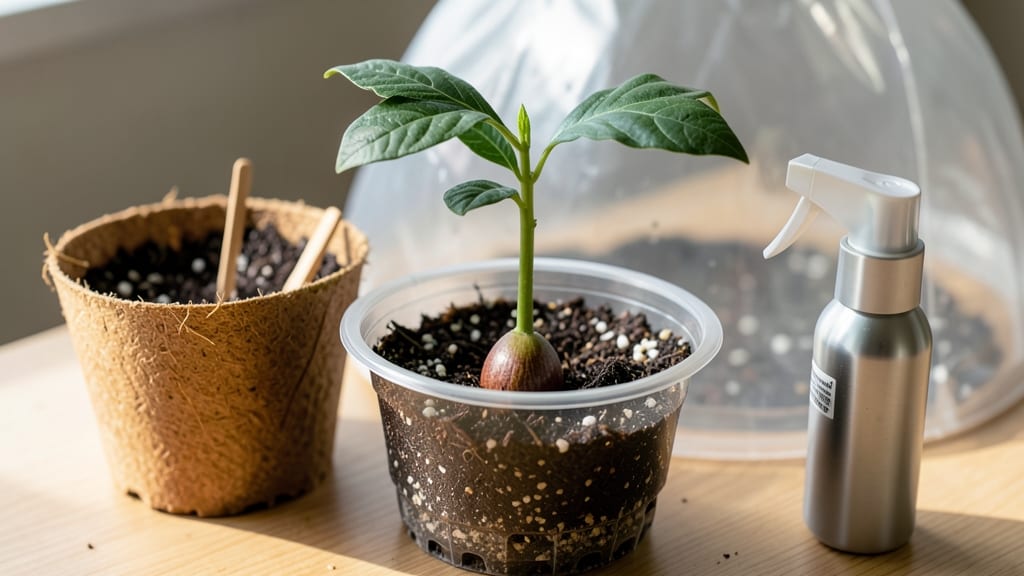
If you’ve ever wondered when to plant an avocado seed in soil—and how to avoid the heartbreak of watching it rot before sprouting—you’re not alone. The secret to success lies in patience and precision, because rushing this process can turn your green thumb into a soggy mess.
Most gardeners make the mistake of planting too soon, especially in cooler months when the soil stays damp and temperatures dip below 70°F. That’s why late spring, after the last frost (around April 15 in Zone 6), is the sweet spot for starting your 🥑 avocado seed in soil.
But timing isn’t just about the calendar—it’s also about giving your seed the right conditions to thrive.
Here’s what you’ll discover: the exact 3-6 week germination window you should aim for, how to prepare your seed before planting, and the simple soil mix that keeps roots happy without turning your pot into a swamp.
No more guesswork—just proven steps to grow a sturdy seedling ready for its next phase.
Let’s cut through the confusion and get your avocado seed off to the best possible start. Trust me, your future tree will thank you.
Optimal germination timeline for avocado seeds in soil
Timing your avocado seed planting is everything—plant too early, and you risk rot and mold; too late, and your seedling may struggle to establish roots. The best window starts 4-6 weeks after pit preparation, typically aligning with late spring (April-May) in most climates like Zone 6.
This gives your seed enough time to develop a 1-2 inch root before soil temperatures hit the ideal 70-85°F range.
I’ve found that waiting until the last frost date (around April 15 in Zone 6) ensures the soil stays warm enough to prevent waterlogging. If you’re in a cooler climate, consider starting your seed indoors under a grow light 2-3 weeks earlier to jumpstart germination.
Here’s the critical timeline: Week 1-2 focuses on root development in water, Week 3-4 is when you plant in soil, and Week 5-6 is your germination window. Skipping any step—like rushing to plant before roots form—often leads to failure.
Pro tip: If your seed hasn’t sprouted by 6 weeks, it’s likely not going to. Don’t wait indefinitely—move on to a new seed and adjust your conditions.
Step-by-Step Germination Timeline
- Week 1-2: Prepare pit by removing flesh, soaking in water to develop 1-2 inch roots.
- Week 3: Plant pit halfway in soil (roots down, top exposed) in a 4-6 inch pot.
- Week 4: Keep soil moist but not soggy; place in bright, indirect light.
- Week 5-6: Sprouting should occur if conditions are ideal (70-85°F, high humidity).
- Week 7+: Once 2-3 inches tall, transplant to a larger pot or garden bed.
After planting your avocado seed, consistency is key. I’ve seen seeds sprout in as little as 3 weeks or take up to 12 weeks—it all depends on temperature, humidity, and soil conditions.
The moment you see the first green shoot, reduce watering slightly to prevent over-saturation, which can drown tender roots.
One mistake I’ve seen gardeners make is assuming their seed is “stuck” if it doesn’t sprout immediately. Patience is critical—avocado seeds often take 2-4 weeks just to crack open and begin rooting.
If you’re impatient, place your pot in a warm, humid environment (like a bathroom with a shower running) to speed things along.
Once your seedling reaches 6 inches tall, it’s ready for its next phase: transplanting into a larger container or outdoor garden bed. But don’t rush this—wait until you see 2-3 sets of true leaves to ensure it’s strong enough to handle the move.
Remember, the first 6 weeks are the most critical. If you nail this timeline, you’ll set your avocado seedling up for years of healthy growth—even if it takes 5-13 years to bear fruit! 🥑
Best soil and environmental conditions for planting avocado seeds
Now that you’ve mastered the timing, let’s talk about the soil and environment—because even the perfect schedule won’t save a seed planted in the wrong conditions. Avocado seeds thrive in well-draining, slightly acidic soil (pH 5.5-6.5) mixed with perlite or sand to prevent waterlogging.
I’ve seen too many seeds fail because gardeners used regular potting mix without amending it—don’t make that mistake!
The ideal container is a 4-6 inch pot with drainage holes to avoid soggy roots. Place your pot in a warm spot (70-85°F), like near a south-facing window or under a grow light.
If your home runs cooler, a seedling heat mat can give your seed the extra warmth it craves during those critical first weeks.
Humidity is another game-changer. Avocado seeds need 60-70% humidity to germinate successfully. If your home is dry, cover your pot with a clear plastic bag (remove it daily to check moisture) or place it on a tray of pebbles with water.
This mimics the tropical conditions avocados love while preventing mold.
| Condition | Specification | Pro Tip |
|---|---|---|
| Soil Type | Well-draining mix (50% potting soil, 30% perlite, 20% sand) | Avoid garden soil—it compacts and holds too much moisture. |
| Container Size | 4-6 inch pot with drainage holes | Too big? Roots rot from excess moisture. Too small? Transplant too soon. |
| Temperature | 70-85°F (21-29°C) | Use a heat mat if your home dips below 65°F. |
| Humidity | 60-70% | Mist leaves daily or use a humidity tray. |
| Light | Bright indirect light (6+ hours/day) | Direct sun scorches delicate seedlings—filter light with sheer curtains. |
Light is often overlooked, but avocado seedlings need bright indirect light to avoid becoming weak and leggy. Place your pot within 2-3 feet of a south-facing window or use a grow light for 12-14 hours daily.
If you notice your seedling stretching toward the light, it’s time to adjust its position or increase light exposure.
Watering is an art, not a science. Keep the soil consistently moist but never soggy. I water my seedlings every 2-3 days in warm weather, but I check the top inch of soil first—if it’s dry, it’s time to water.
Overwatering is the #1 killer of avocado seeds, so always let excess water drain completely from the pot.
Once your seedling reaches 6 inches tall and has 2-3 sets of true leaves, it’s ready for a larger pot (8-10 inches) or outdoor planting (after the last frost).
But here’s the kicker: avocado trees grow slowly—don’t rush the process. Patience now means a healthier tree later, even if it takes 5-10 years to bear fruit!