
Flowers
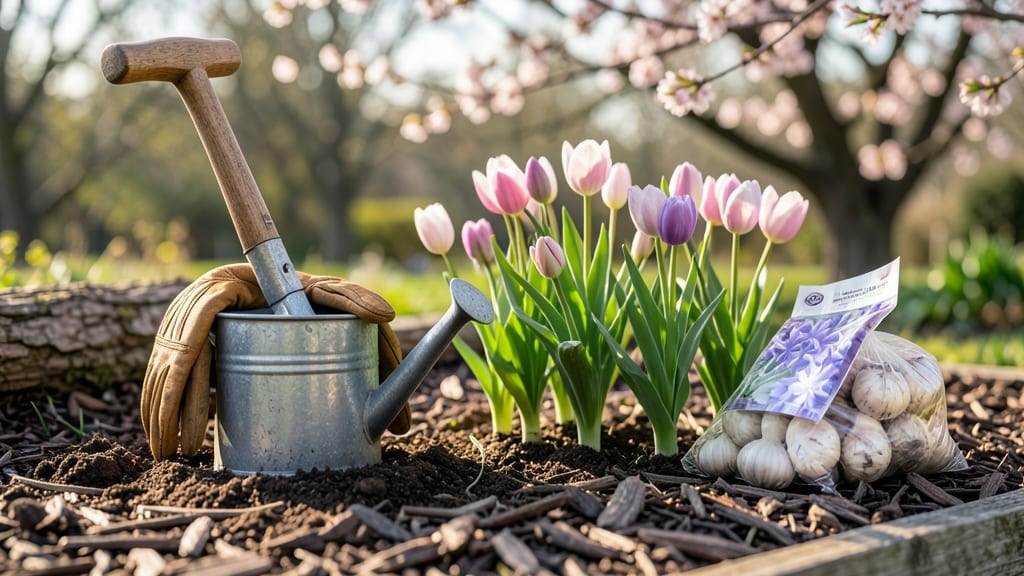
Timing your spring flower planting can mean the difference between a garden bursting with color and one that never quite takes off. The right moment isn't just about the calendar—it's about understanding your local microclimate, soil warmth, and the specific needs of your 🌸 flowers.
In zone 6a, where many gardeners find themselves, the ideal window typically opens after the last frost—usually between April and May. But wait too long, and you might miss the prime growing season.
Skip the guesswork by learning how to read your soil's temperature and adjust for factors like sun exposure or wind.
Whether you're planting annuals for summer blooms or perennials that will return year after year, getting the timing right is the foundation of success.
I'll walk you through the exact steps to prepare your soil, choose the right varieties for your climate, and avoid common mistakes that derail even the most well-intentioned gardeners.
Ready to transform your yard into a vibrant canvas? Let's dive into the seasonal secrets that will help your flowers thrive from the very first spadeful of dirt.
Spring flower planting timeline by hardiness zone and plant type
Spring’s planting window is short but critical—getting it right means the difference between a garden bursting with color and one that struggles to take root. The key? Understanding your USDA hardiness zone and the specific needs of your flowers.
For example, cool-season annuals like pansies and snapdragons can handle light frosts, while tender perennials like black-eyed Susans need warmer soil to thrive. Let’s break it down by zone and plant type so you can plant with confidence.
First, locate your last frost date—this is your planting deadline’s anchor. In USDA zones 3–5, frost can linger until mid-May, while zones 8–10 may see frost-free conditions by early March.
Use local weather reports or historical data from your Cooperative Extension Service to pinpoint your exact date. Pro tip: Add 2–4 weeks to your frost date for bulbs, which need time to establish roots before shoots emerge.
🌱
| Plant Type | USDA Zones | Planting Window | Soil Temp | Notes |
|---|---|---|---|---|
| Cool-Season Annuals | 3–10 | 2–4 weeks before last frost | 40–50°F (4–10°C) | Pansies, snapdragons, sweet peas |
| Tender Perennials | 5–9 | After last frost | 55–65°F (13–18°C) | Coneflowers, black-eyed Susans |
| Spring Bulbs | 3–10 | Fall (6–8 weeks before first frost) OR early spring (zones 8–10) | 50–60°F (10–15°C) | Tulips, daffodils, hyacinths |
| Heat-Loving Annuals | 7–10 | After soil warms to 65°F (18°C) | 65–75°F (18–24°C) | Marigolds, zinnias, sunflowers |
| Perennial Dividers | 4–8 | Early spring (March–April) | 50–60°F (10–15°C) | Rudbeckia, daylilies, lavender |
For cool-season annuals, start seeds indoors 6–8 weeks before your last frost date.
If you’re direct-sowing, aim for 2–4 weeks before frost—these hardy flowers can handle light chills. Tender perennials, like coneflowers, need to wait until the soil is at least 55°F (13°C), which typically aligns with your last frost date.
Test soil warmth with a soil thermometer—if it’s cooler, delay planting or use black plastic mulch to warm the soil faster.
Bulbs are a special case. In zones 3–7, plant them in fall for spring blooms, but in zones 8–10, you can plant tulips and daffodils in early spring (January–February). These regions have mild winters, so bulbs won’t get the chill period they need until later in the season.
If you’re in a transitional zone (like zone 7b), consider chilling bulbs in your fridge for 8–10 weeks before planting.
Don’t overlook heat-loving annuals like zinnias and marigolds—they’ll bolt (flower prematurely) if planted too early. Wait until the soil is at least 65°F (18°C), which is usually late April or May in most zones.
Use a row cover or cold frame if you’re eager to get them in the ground earlier, but remove it once nighttime temperatures stay above 50°F (10°C).
🌿
Succession planting is your secret weapon for nonstop blooms. For example, sow bachelor’s buttons every 2 weeks from April to June to ensure a continuous display. Similarly, cosmos and sunflowers thrive when planted in late spring (May–June) for summer and fall color.
Keep a planting journal to track what works best in your microclimate—note the exact dates you plant, the weather conditions, and how your flowers perform.
Finally, adjust your timeline for container gardening. Pots warm up faster than soil, so you can plant 2–3 weeks earlier than in-ground flowers. Just ensure your containers have drainage holes and use a lightweight potting mix to prevent waterlogging. For urban
Microclimate secrets: how sun, soil, and wind affect your planting schedule
Your backyard’s microclimate can shift planting windows by 2–3 weeks—meaning that shady corner might be ready for pansies weeks before your sunniest spot. These subtle differences in sun exposure, soil warmth, and wind patterns determine whether your flowers thrive or struggle.
Understanding these factors lets you plant with confidence, even if your neighbor’s garden calendar doesn’t match yours.
Start by testing your soil temperature with a simple soil thermometer. Most flowers need soil at 60°F (15°C) or warmer to germinate. In cooler microclimates (like low-lying areas), this could mean waiting until late April or even May.
Meanwhile, south-facing slopes or urban heat islands might hit this threshold by early April. Wind exposure also plays a role—windy spots dry out faster, so you may need to plant wind-resistant varieties like black-eyed Susans or coneflowers earlier to establish roots before summer winds stress them.
🌱
For container gardens, microclimates matter even more because pots heat up and cool down faster than in-ground soil.
Place containers in protected spots during the day and move them to sheltered areas at night if frost is forecasted. Self-watering pots can help maintain moisture in windy or sunny microclimates, reducing the risk of transplant shock.
Pay attention to local frost patterns too—some years, late spring frosts can sneak in even after the average last frost date. Sign up for local weather alerts or use a frost clock app to track real-time conditions.
If you’re unsure, opt for cold-hardy annuals like snapdragons or stock, which can handle light frosts once established.
Finally, observe your garden’s natural rhythms. Note when daffodils bloom or when dandelions appear—they’re nature’s calendar for your microclimate. Adjust your planting schedule accordingly, and you’ll be rewarded with longer bloom seasons and healthier plants that thrive in their perfect timing.
☀️