
Companion Plants
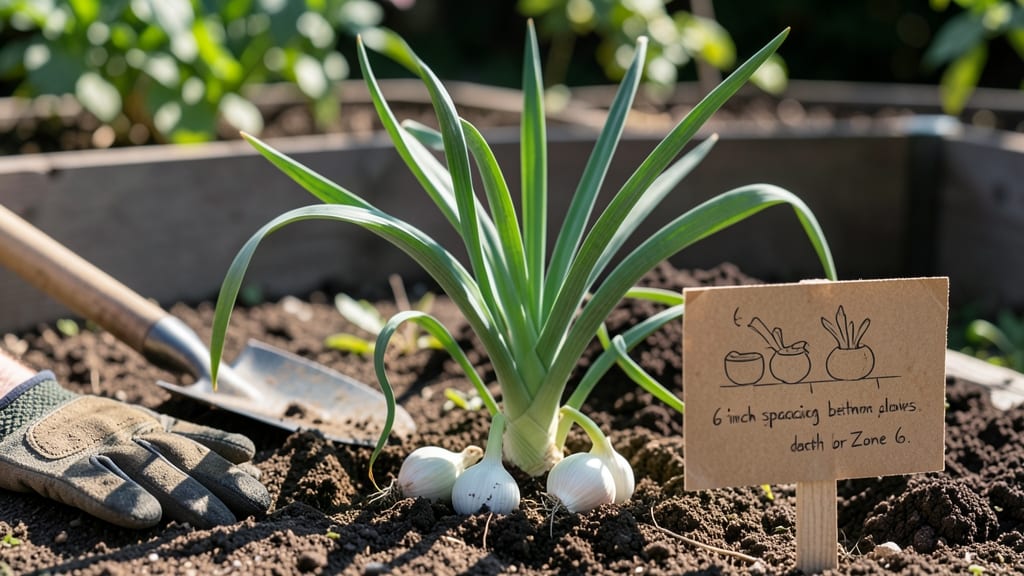
If you're asking "when should I plant garlic in Zone 6", the answer isn't just about the calendar—it's about reading your local microclimate like a pro. Plant too early, and frost can damage those tender cloves; too late, and your 🧄 harvest will be smaller than you hoped.
The secret lies in timing it right, typically between mid-October and November, when soil temps drop but before the ground freezes solid.
Zone 6 spans from cooler 6a regions to milder 6b areas, and those differences matter. In northern 6a, you might need to plant by early October to avoid early freezes, while southern 6b gardens can stretch planting until mid-November.
Hardneck varieties—like the flavorful Rocambole or Music—thrive in Zone 6's cold winters, but even they need that perfect window to develop properly.
What makes this timing so critical? Garlic needs a period of cold (called vernalization) to form bulbs, but it also needs to establish roots before winter sets in.
We'll break down exactly how to adjust for your specific corner of Zone 6, whether you're dealing with urban heat islands, high-altitude chill, or sheltered garden spots that stay warmer longer.
Ready to grow the biggest, most flavorful garlic your neighbors have ever seen? Let's dive into the exact steps—so you can plant with confidence and harvest like a pro next summer.

Ideal planting windows for garlic in Zone 6 (by month & variety)
In Zone 6, your garlic planting window is a 6-week sweet spot between mid-October and November, but the exact timing depends on whether you're growing hardneck or softneck varieties—and your local frost dates.
Hardnecks like Music or German White need that cold vernalization period to form bulbs, while softnecks like Artichoke are more flexible but still benefit from early planting.
For most of Zone 6, aim to plant 4-6 weeks before the ground freezes. In Zone 6a (colder areas like upstate New York or Montana), that means early to mid-October—any later, and frost will damage those tender cloves.
In Zone 6b (warmer pockets like parts of Virginia or Missouri), you can stretch planting until early November.
Here’s how to align your planting with Zone 6’s climate quirks—because even within the same zone, microclimates can shift your ideal window by weeks.
Pro tip: Use your average first frost date as your deadline. Check local records—many Zone 6 areas see their first frost between October 15 and November 1. If you're unsure, plant a test clove in late September to see how it handles early cold snaps.
Hardnecks like German Red or Chesnok Red are Zone 6 staples because they thrive in cold winters, but even they need 60-70 days below 40°F to form bulbs. Softnecks, while more adaptable, still need to establish roots before winter sets in—so don’t wait until December, even in milder 6b areas.
For urban gardeners in Zone 6, heat islands can delay frost by 1-2 weeks. Monitor soil temps with a soil thermometer—garlic cloves should be planted when soil temps hit 50-60°F. If your soil stays warm longer, hold off until late October to avoid rot.
One more critical factor: bulb size at planting. Large cloves (1.5–2 inches in diameter) yield bigger bulbs, but they also need more time to establish. If you’re planting in late October, opt for medium-sized cloves (1–1.5 inches) to balance growth and frost risk.
Remember, garlic planted in spring (March-April) will grow but won’t form proper bulbs in Zone 6—it’s a fall-only crop for optimal results. Save spring planting for green garlic or scapes if you miss the fall window.
🌱How to adjust planting for Zone 6’s unique microclimates
Zone 6’s microclimates can shift your garlic planting window by weeks—whether you’re dealing with urban heat islands, high-altitude chill, or a sheltered garden spot. The key is adapting your timing to match your specific conditions.
For example, gardens in high-altitude areas (like Colorado or Montana) may need to plant garlic as early as late September to avoid early freezes, while low-lying urban areas might extend planting until mid-November due to delayed frost.
Start by identifying your microclimate. If your garden sits in a sheltered spot (like near a south-facing wall or under trees), it may stay warmer longer, allowing you to plant later. Conversely, open, windy areas or northern exposures can bring frost earlier—so plant on the earlier side of your window.
Use a soil thermometer to confirm when temps drop to 50-60°F, the ideal range for planting.
Here’s how to fine-tune your planting for Zone 6’s most common microclimates:
- 1 Urban Heat Islands: Plant 2 weeks later (late October) due to delayed frost. Monitor soil temps—if they stay above 60°F past mid-October, wait until early November.
- 2 High-Altitude Gardens: Plant 3-4 weeks earlier (late September) to account for earlier freezes. Hardnecks like German Red thrive here but need the extra time to establish.
- 3 Sheltered Gardens: Extend planting to mid-November if your spot stays frost-free longer. Use row covers for extra protection if late frosts are common.
- 4 Wind-Exposed Areas: Plant 1-2 weeks earlier to avoid frost damage. Mulch heavily (4-6 inches) to insulate cloves and prevent freeze-thaw cycles.
Another critical adjustment is soil preparation. Zone 6’s clay-heavy soils or sandy loams can affect garlic growth. Amend your soil with compost or aged manure to improve drainage and fertility. Aim for a pH of 6.0-7.0—garlic tolerates slightly acidic to neutral soil but struggles in alkaline conditions.
Test your soil in early fall to give yourself time to make adjustments before planting.
For mulching strategies, use straw or leaves (4-6 inches thick) to insulate cloves during winter. Avoid wood chips or fresh mulch, which can compact or rob nitrogen from the soil. In Zone 6a, add mulch immediately after planting to protect cloves from freeze-thaw cycles.
In Zone 6b, you can wait until late fall to mulch, as milder winters reduce the risk of damage.
If you’re unsure about your microclimate’s frost patterns, try a test planting in late September. Plant a few cloves and monitor their progress. If they survive and sprout by early October, you can safely extend your main planting window.
This simple trick helps you calibrate your timing without risking your entire harvest.
Finally, remember that garlic scapes (the curly green shoots that appear in spring) are a bonus in Zone 6. If you plant early enough, you’ll get both larger bulbs and scape harvests by late June—just another reason to nail your fall planting window!
🌿