
Companion Plants
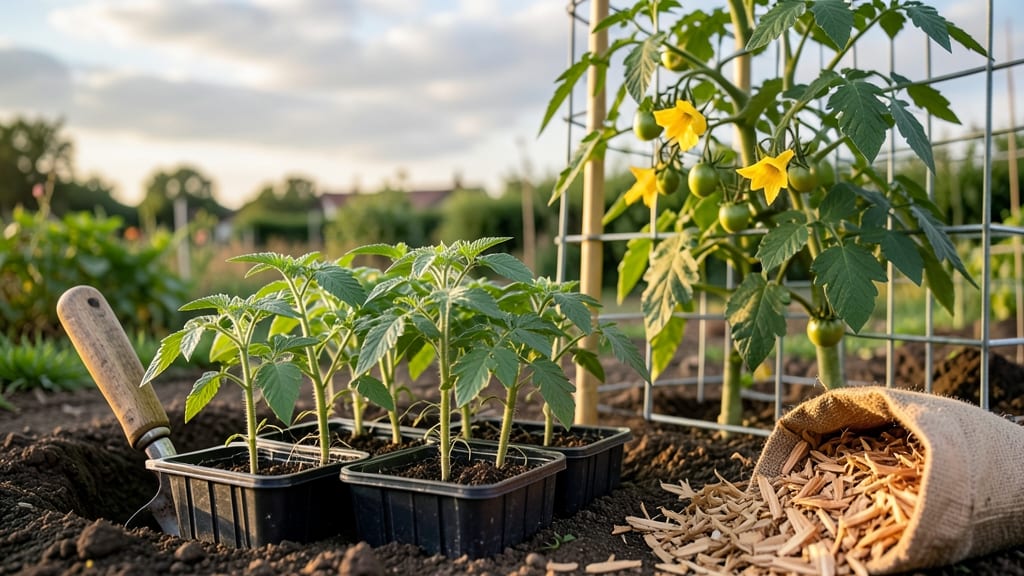
When should I plant tomatoes in Tennessee? Timing is everything when it comes to growing juicy, homegrown 🍅 tomatoes—and getting it wrong can mean the difference between a bountiful harvest and a sad, frost-bitten disappointment.
If you've ever wondered why your neighbor's tomato plants thrive while yours struggle, the answer likely lies in when you planted them.
Tennessee's 6a-7b zones offer a surprisingly narrow window—just 6 weeks between the last frost and ideal soil temperatures—but missing it by even a few days can set your crop back for months.
I'll walk you through the exact planting deadlines for your specific microclimate, whether you're in the cooler Appalachian foothills or the warmer Mississippi Delta. You'll also discover how to adjust for elevation, soil type, and even urban heat islands—because in Tennessee, "perfect timing" isn't one-size-fits-all.
From starting seeds indoors to direct sowing outdoors, we'll cover every step to ensure your tomatoes get off to the best possible start—no guesswork required. Let's get those plants in the ground at exactly the right moment.
Optimal tomato planting dates for Tennessee zones 6a & 7a by last frost
Timing is everything when planting tomatoes in Tennessee, where frost-free dates can shift dramatically between Zone 6a (colder) and Zone 7a (warmer). In my experience, planting too early risks frost damage, while waiting too long cuts your harvest window short.
Let’s break down the ideal planting windows based on historical averages and soil readiness.
For Zone 6a (e.g., Nashville, Chattanooga), the last average frost date falls around April 15, but you should wait until May 1-15 to plant outdoors. This gives your transplants (or direct-sown seeds) time to establish roots before nighttime temperatures consistently stay above 50°F.
In Zone 7a (e.g., Memphis, Jackson), you can start as early as April 1, with most gardeners planting by April 15.
Here’s the key rule: Soil temperature must reach at least 60°F for seeds to germinate properly. A soil thermometer is your best tool—if it’s cooler, wait. Nighttime lows should also stay above 50°F to prevent stunted growth.
Use these historical averages as a guide, but always check your local NOAA frost data or UT Extension Service for real-time updates.
🌱
| Zone & Region | Last Frost Date (Avg.) | Ideal Planting Window | Soil Temp Threshold | Notes |
|---|---|---|---|---|
| Zone 6a (Nashville, Chattanooga) | April 15 | May 1–15 (transplants) | 60°F+ | Wait for nighttime temps >50°F |
| Zone 7a (Memphis, Jackson) | March 31 | April 1–15 (transplants) | 60°F+ | Can plant earlier with row covers |
| High Elevation (e.g., Smoky Mountains) | May 1 | May 15–30 | 65°F+ (cooler soils) | Use black plastic mulch to warm soil |
| Urban Heat Islands (e.g., Nashville suburbs) | April 1 | April 10–25 | 55°F+ (warmer microclimate) | Monitor for heat stress |
For direct-sown seeds, adjust these dates by 2–3 weeks earlier since seedlings are hardier. But if you’re starting transplants indoors, begin seeds 6–8 weeks before your last frost date. For example, in Zone 6a, that means sowing seeds around March 1 for a May 1 transplant.
Pro tip: Use grow lights to extend your indoor growing season if natural light is limited.
If you’re growing heirloom varieties with longer maturity dates (e.g., Brandywine or Cherokee Purple), plant on the earlier end of your window. For determinate varieties (like Roma or Celebrity), which produce fruit all at once, aim for the middle of the window to avoid missing peak harvest.
One more critical tip: Succession planting works wonders in Tennessee. After your first harvest, sow quick-maturing varieties like Early Girl or Sweet 100 every 2–3 weeks until July 1 to keep tomatoes coming until frost. This extends your harvest by 4–6 weeks!
☀️
Microclimate adjustments: how elevation and soil affect your planting timeline
Tennessee’s Appalachian mountains can experience frost weeks after the Mississippi Delta warms up, so elevation plays a huge role in your tomato planting schedule.
High-altitude areas like Great Smoky Mountains (Zone 6a) often see last frosts in late April to early May, while lower elevations like Memphis or Nashville (Zone 7a) typically hit frost-free dates by mid-April. Use these adjustments to fine-tune your timeline:
Soil temperature is just as critical as air temperature. Tomatoes need soil at 60°F+ to thrive, but sandy soils warm faster than clay-heavy soils. In Zone 6a, test soil in early May—if it’s still below 60°F, wait another week.
In Zone 7a, aim for late April to early May when soil hits that threshold. Urban areas with concrete or pavement may warm faster, giving you an earlier window.
🌱
⚠️ Warning: Don’t Rush Planting in Cold Soils
Planting tomatoes in cold soil (below 50°F) stunts root growth and invites disease risks. Use a soil thermometer ($10 at garden centers) to check depth—roots need warmth 6 inches down. If soil is too cold, opt for container gardening with black plastic pots to absorb heat or use row covers to warm the ground.
For mountain gardeners, extend your season with row covers or cold frames. These can push planting back by 2-3 weeks in Zone 6a, letting you start seeds indoors in late March for transplanting by early May.
In valley regions, prioritize shade cloth during summer to protect tomatoes from heat stress (temperatures above 90°F reduce fruit set).
If you’re in a transition zone (e.g., Chattanooga or Knoxville), blend both strategies: plant early varieties in early May and heat-tolerant varieties (like ‘Solar Fire’ or ‘Heatmaster’) in late May. This hedges your bets against unpredictable late-spring frosts or summer heatwaves.
Pro tip: Mulch heavily (straw or shredded leaves) after planting to keep soil warm and retain moisture. In Zone 6a, add mulch in early May; in Zone 7a, start mulching by late April. This simple step can add 2-4°F to soil temperature, accelerating growth and fruit production.
🌿