
Flowers
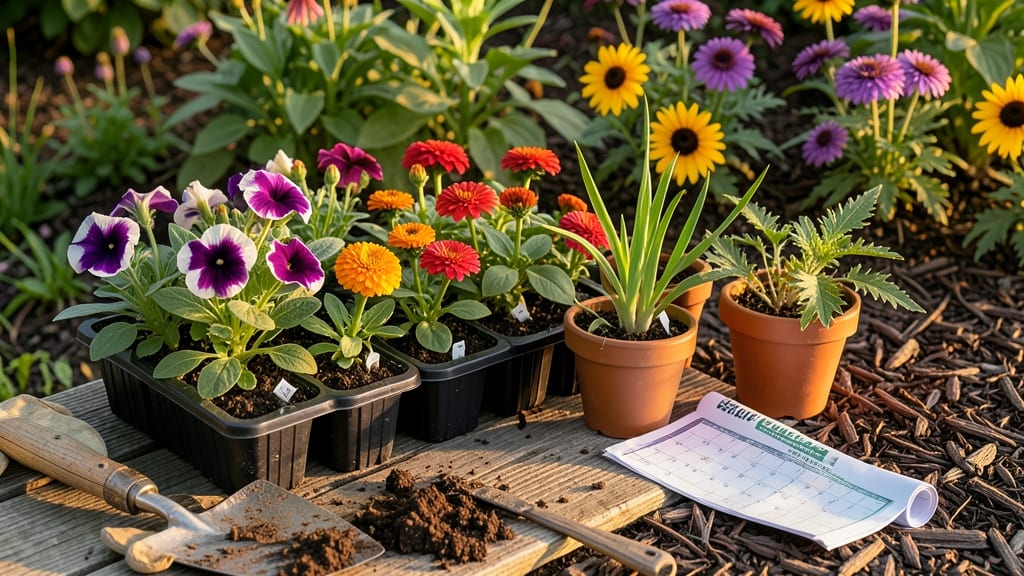
Planting flowers in Ohio isn’t just about grabbing a shovel and digging in—it’s about timing those first seeds and bulbs just right to beat frost and maximize blooms.
With USDA Zone 6a weather that swings from icy springs to scorching summers, getting the schedule wrong can mean wilted dreams before the season even starts.
I’ve learned the hard way that rushing spring flowers like 🌸 marigolds too early often leads to frost-nipped petals, while waiting too long for tender annuals can leave your garden looking bare.
The key? Planting annuals after your last frost date—typically around mid-April—while perennials and bulbs often thrive when tucked into the soil 6–8 weeks before frost in fall.
In this guide, I’ll break down Ohio’s frost-free windows by flower type, so you know exactly when to start seeds indoors, transplant seedlings, or pop bulbs into the ground.
Whether you’re a first-time gardener or a seasoned green thumb, these zone-specific deadlines will help you grow a garden that bursts into color—without the guesswork.
Ready to turn your Ohio yard into a year-round floral show? Let’s dive into the perfect planting calendar for every type of flower, so you can enjoy blooms from spring’s first daffodils to fall’s hardy mums.
Ohio’s frost-free planting zones: when to start flowers by region
Ohio’s USDA hardiness zones 5a-6b create a unique challenge for gardeners—last frost dates can vary by 2-3 weeks from northern to southern regions. For example, Toledo typically sees its last frost around April 15, while Columbus averages April 22, and Cincinnati often waits until May 1.
These differences mean your spring planting window could shift dramatically depending on where you live.
Microclimates add another layer of complexity. Areas near Lake Erie experience delayed warming due to the lake’s influence, while urban heat islands in cities like Cleveland can push spring forward by 10-14 days. Understanding these variations helps you avoid the heartbreak of frost-nipped blooms or missed summer color.
Here’s the golden rule: Wait until the soil temperature consistently stays above 50°F (10°C) and nighttime temperatures hover near 55°F (13°C). Use a soil thermometer to check—cold soil slows root growth and makes seedlings vulnerable to rot.
For annual flowers, aim to plant 2-4 weeks after your area’s last frost date. Perennials and bulbs have different timelines—spring-blooming bulbs like tulips need 6-8 weeks of chilling, so plant them in fall (October-November), while summer-blooming perennials like coneflowers thrive when planted in early spring.
Let’s break down Ohio’s three key regions—Northern, Central, and Southern—with exact planting windows for your most popular flowers. This ensures you’re planting at the optimal time for maximum blooms and minimum stress on your plants.
Ohio Planting Zones & Timing Guide
| Region | USDA Zone | Last Frost Date | Best Planting Window | Key Flowers |
|---|---|---|---|---|
| Northern Ohio | 5a-5b | April 20-May 5 | May 15-June 15 | Pansies, Snapdragons, Sweet Alyssum |
| Central Ohio | 6a | April 15-April 30 | April 15-May 15 | Marigolds, Petunias, Zinnias, Coneflowers |
| Southern Ohio | 6b | April 1-April 15 | March 20-April 30 | Tulips, Dahlias, Black-Eyed Susans, Lavender |
| Lake Erie Coastal | 5b-6a | May 1-May 15 | May 20-June 1 | Cosmos, Sunflowers, Nasturtiums |
*Adjust for microclimates—urban areas may plant 1-2 weeks earlier.
If you’re in Northern Ohio, hold off until mid-May for tender annuals like impatiens or geraniums. These plants cannot tolerate frost, so rushing them risks wilted seedlings or stunted growth. Instead, start them indoors 6-8 weeks before your last frost date for a head start.
For Central Ohio, where Columbus and Dayton fall, you can push the envelope slightly. Cool-season flowers like pansies and snapdragons can handle light frosts and even thrive when planted as early as late March.
These frost-tolerant beauties will reward you with early spring color when other gardens are still bare.
Southern Ohio’s warmer microclimate (think Cincinnati and Lexington) lets you plant earlier—sometimes as early as mid-March for hardy perennials like black-eyed Susans or daylilies. But even here, tender annuals like begonias or fuchsias should wait until after Memorial Day to avoid frost damage.
Pro tip: Use Ohio State University Extension’s frost date maps (available online) to pinpoint your exact last frost date. These maps account for decadal trends and give you the most accurate planting timeline for your specific location. Bookmark this resource—it’s a game-changer
Best flowers to plant in Ohio by season: cool vs. warm-season timing
Ohio’s diverse climate means some flowers thrive in cool spring temperatures while others need warm summer heat to bloom. Knowing which flowers to plant when maximizes your garden’s color and longevity.
For example, pansies and snapdragons love Ohio’s chilly March mornings, while zinnias and sunflowers burst into color only after Memorial Day.
Start with cool-season flowers like calendula and sweet alyssum—they tolerate light frosts and even sprout under snow cover if planted in early spring. These hardy blooms give you early-season color and attract pollinators before summer’s heat arrives.
Meanwhile, warm-season favorites like marigolds and cosmos need soil temperatures above 60°F to germinate, making late May the ideal time to sow seeds.
🌱
- 🌼 Pansies: 32–50°F tolerance; plant 4–6 weeks before last frost for early blooms.
- 🌷 Sweet Alyssum: Direct-sow after frost (soil 40°F+) for ground cover and honeybee magnet.
- 🌿 Calendula: Edible petals; sow 2–3 weeks before last frost for continuous blooms.
- 🌺 Snapdragons: Biennial; plant 8–10 weeks before frost for tall, fragrant spikes.
- 🌻 Violas: Shade-tolerant; perfect for containers and borders in cool months.
- 🌼 Zinnias: Heat-loving; sow after last frost (soil 65°F+) for long-lasting cuts.
- 🌻 Sunflowers: Fast-growing; direct-sow 2 weeks after last frost for giant blooms.
- 🌺 Marigolds: Pest-repellent; plant after soil warms to deter nematodes.
- 🌿 Cosmos: Drought-tolerant; sow late spring for airy, self-seeding blooms.
- 🌸 Black-Eyed Susans: Perennial; plant spring or fall for years of golden blooms.
For perennials like coneflowers and bee balm, early spring planting (March–April) gives roots time to establish before summer’s intensity. Meanwhile, tender annuals like petunias should wait until Memorial Day weekend—planting them earlier risks frost damage or stunted growth.
Pro tip: Use Ohio State University’s frost date map to pinpoint your local last-frost window.
Don’t overlook fall planting for bulbs like tulips and daffodils—they need 6–8 weeks of cool soil before winter to bloom next spring. Aim for October planting in most of Ohio, adjusting 2 weeks later in colder northern zones.
This timing ensures roots develop before the ground freezes, setting the stage for spring’s showstopper blooms. 🌷