
Plants
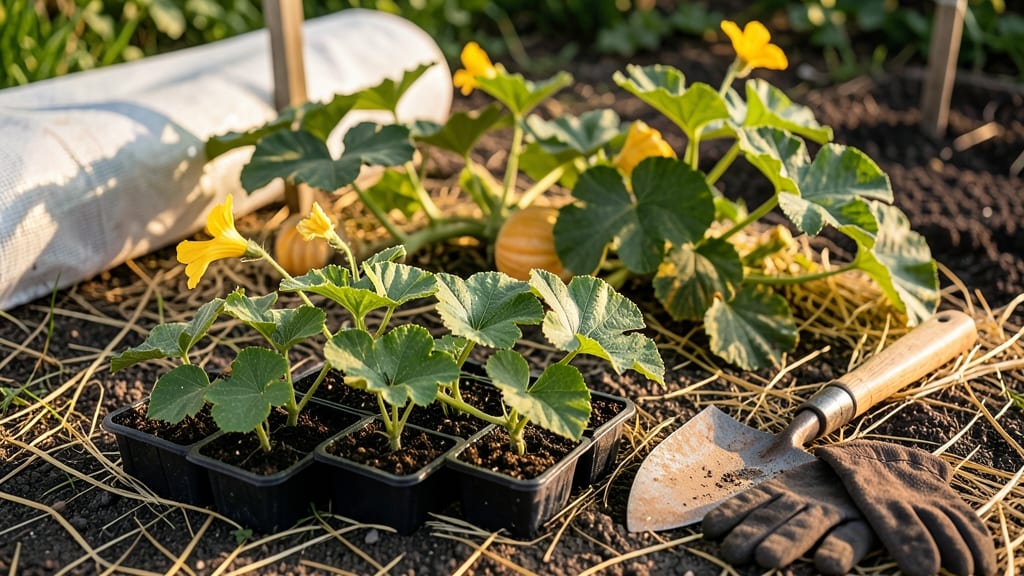
If you're dreaming of carving a 🎃 pumpkin this Halloween, when should you plant pumpkins in Ohio to ensure success? Getting your seeds in the ground at the right time is the key, especially in USDA Zone 6a where summers are brief.
Planting too early risks cold soil that stalls germination, while waiting too long cuts your growing season short—meaning you might miss your harvest entirely.
Ohio's unpredictable spring weather makes timing even trickier, but there's a science-backed method to nail it. Once daytime temperatures consistently hit 60°F and nighttime stays above 50°F, your pumpkin seeds are ready to go—typically between late April and early May after the last frost.
This rule beats guessing by the calendar, giving your vines the warm start they need to spread their 15-30 foot reach.
I've learned the hard way that planting too soon leads to weak seedlings struggling in cool soil, while waiting until June risks immature pumpkins before the first frost. The solution? Monitor soil warmth with a simple thermometer or use nature's cues like lilac blooms as your planting signal.
With these tricks, you'll transform Ohio's short growing season into prime pumpkin-growing real estate.
Let me show you exactly how to time your planting for maximum success—from testing soil temperature to choosing the right varieties for Ohio's climate. You'll discover the 3 critical weeks that make or break your harvest, plus how to adjust for your specific corner of the state.
Ready to grow pumpkins that rival the pros?
Ohio pumpkin planting timeline: soil temperature rules over calendar dates
Ohio’s spring frost dates vary wildly from Northeast to Southwest, but your pumpkin seeds won’t care about your calendar—they’ll only germinate when the soil hits 60°F. This threshold is non-negotiable, and waiting for it means avoiding the heartbreak of rotten seeds or stunted vines.
In my Zone 6a garden, I’ve learned that calendar dates are just a rough guess; soil temperature is the real boss.
Most Ohio gardeners assume late April is safe, but if you’re in Toledo or Columbus, the soil might still be chilly. Meanwhile, Cincinnati or Dayton could hit that 60°F mark by mid-April. The key is testing, not guessing.
I use a soil thermometer buried 1 inch deep—where your seeds will be—and check it daily once temperatures start climbing. If it’s below 60°F, your seeds will sit there like dormant hibernators, waiting for warmth.
For those without a thermometer, here’s my DIY trick: Dig a hole 1 inch deep, add a handful of water, and cover it with a clear plastic lid (like a jar lid). If condensation forms on the underside, the soil is below 60°F.
No condensation? You’re in business. This method saved my first pumpkin patch from a late spring frost last year—now I swear by it.
Ohio’s last frost dates average around April 15 in the north and April 1 in the south, but frost isn’t the only threat. Cold soil after a late frost can still kill young seedlings.
That’s why I wait until two weeks after the last frost—just to be safe. This extra buffer gives the soil time to warm up naturally, especially in low-lying areas where frost lingers.
Once your seeds are in the ground, the first 4 weeks are critical. Pumpkin seedlings need consistent warmth to establish roots before they can handle Ohio’s humid summers. I’ve created a simple timeline below to keep you on track, tailored to Ohio’s microclimates.
Whether you’re in Cleveland’s cooler zones or Athens’ longer growing season, these stages will help you avoid common pitfalls like powdery mildew or blossom-end rot.
Pro tip: If you’re in Northern Ohio and worried about a short season, opt for fast-maturing varieties like ‘Jack Be Little’ (75 days). In Southern Ohio, you can afford longer-season picks like ‘Howden’ (110 days), but still plant them early to maximize growth before the first frost in October.
🎃 Ohio Pumpkin Planting & Care Timeline
| Stage | Action | Ohio-Specific Notes |
|---|---|---|
| Soil Prep (4-6 weeks before planting) | Test soil pH (aim for 6.0-6.8), amend with compost, and till to 12 inches deep. | Ohio’s clay soil benefits from sand or peat moss for drainage. |
| Planting (After soil hits 60°F) | Sow seeds 1 inch deep, 2-3 per hill, hills spaced 4-6 feet apart. | Use black plastic mulch to warm soil faster in cool zones. |
| Germination (7-14 days) | Keep soil moist (not soggy) until sprouts emerge. | Ohio’s humidity can cause damping-off—space seedlings for airflow. |
| Seedling Stage (Weeks 3-4) | Thin to strongest seedling per hill; fertilize with 10-10-10. | Northern Ohio: Use row covers for late frosts. |
| Vine Growth (Weeks 5-8) | Water at soil level (avoid wetting leaves), mulch heavily. | Southern Ohio: Watch for cucumber beetles—use neem oil if spotted. |
💡 Ohio Grower Tip: Mark your planting date on a calendar and count back 4 weeks to prep soil—this beats guessing!
One of my biggest mistakes was planting too early in Northern Ohio because I trusted the calendar. The result? Blackened seeds and a wasted seed packet.
Since then, I’ve made it a rule to wait for warmth, even if it means starting with container-grown seedlings from a local nursery. This gives you a 2-week head start on the season, which is crucial if you’re aiming for a Halloween jack-o’-lantern.
Ohio’s
Best pumpkin varieties for Ohio’s short vs. long seasons (and when to plant each)
Ohio’s short growing season means choosing the right pumpkin variety can make or break your harvest. In Northern Ohio, where summers are cooler, you’ll need fast-maturing varieties like ‘Jack Be Little’ (75 days) to avoid frost damage.
Meanwhile, Southern Ohio gardeners can stretch for longer-season picks like ‘Howden’ (110 days), but even there, timing is everything. I’ve learned that disease resistance is just as important as days to maturity—Ohio’s humid summers turn susceptible varieties into a fungal buffet.
For Northern Ohio (Zones 5-6), prioritize compact vines and early harvests. My top pick is ‘Cinderella’ (80 days), which thrives in cooler temps and resists powdery mildew. In Central Ohio (Zone 6a), ‘Sugar Pie’ (90 days) balances speed and size, perfect for pie pumpkins and carving.
Meanwhile, Southern Ohio (Zones 6b-7) can handle ‘Giant Heirloom’ (120 days), but only if planted by mid-April to ensure maturity before the October frost.
Here’s the key difference: Fast varieties need earlier planting (late March to early April under row covers), while long-season types get a later start (mid-April to early May).
I’ve mapped out the best options below, including space requirements—because nothing ruins a pumpkin patch faster than overcrowded vines competing for sunlight.
🎃 Ohio Pumpkin Variety Comparison
| Variety | Days to Maturity | Best Ohio Region | Planting Window | Space Needs | Disease Resistance |
|---|---|---|---|---|---|
| Jack Be Little | 75 days | Northern Ohio | Late March-April (under cover) | 3x3 ft hill | High (powdery mildew) |
| Cinderella | 80 days | Central/Northern | Mid-April | 4x4 ft hill | Moderate |
| Sugar Pie | 90 days | Central Ohio | Early April | 5x5 ft hill | High (blossom end rot) |
| Howden | 110 days | Southern Ohio | Mid-April | 6x6 ft hill | Moderate |
| Giant Heirloom | 120 days | Southern Ohio | Late March (greenhouse) | 8x8 ft hill | Low (susceptible to pests) |
💡 Ohio Pro Tip: For Northern Ohio, pair fast varieties with black plastic mulch to extend the season by 2-3 weeks.
If you’re new to pumpkin growing, I recommend starting with ‘Jack Be Little’—it’s forgiving and produces 3