
Plants
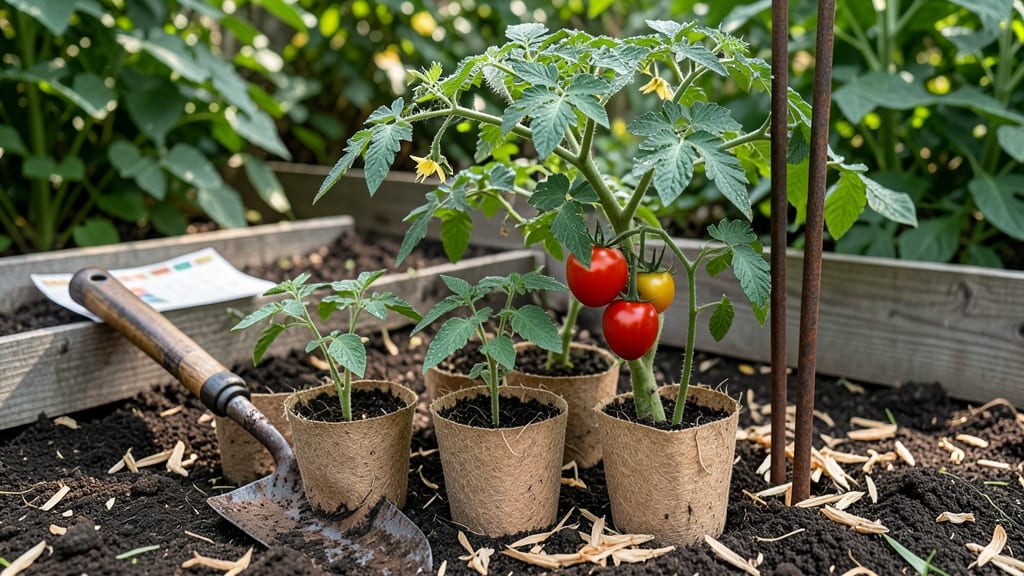
If you're dreaming of a backyard bursting with juicy 🍅 tomatoes but dread the Florida heat stressing your plants, timing is everything—and getting it wrong could mean wasted effort.
Florida's unique climate (zones 9a-11) means traditional planting rules don't apply, but mastering the exact weeks before your region's last frost risk transforms your garden from a gamble to a guaranteed harvest.
Most gardeners assume spring is the only time to plant, but Florida's long growing season lets you grow tomatoes twice a year—February-March for spring harvests and August-September for fall bounty.
The key? Starting seeds or transplanting seedlings 3-4 weeks before your area's last frost date (which varies wildly from North to South Florida) to avoid bolting and maximize fruit production.
I'll walk you through Florida's frost-free zones, the best varieties for your region, and exactly when to plant—whether you're starting seeds indoors or sowing directly in the garden. Skip the guesswork and discover how to time your tomato planting for zero bolting risk and the biggest harvests of your life.
Ready to turn your Florida garden into a tomato powerhouse? Let's break down the precise planting schedule that works for your specific zone, plus pro tips to keep your plants thriving through the heat.
Florida’s last frost dates by region: exact weeks to plant tomatoes before risk
Florida’s frost-free climate means no traditional "last frost" date like northern states, but temperature dips below 32°F can still damage young tomato plants. Instead, focus on soil temperatures and seasonal heat patterns to determine your planting window.
North Florida (USDA zones 8a-9a) faces cooler winters, while South Florida (zones 10a-11) rarely dips below freezing—so timing varies dramatically.
For North Florida gardeners, aim to plant 4-6 weeks before average last frost dates (typically mid-March to early April). In Central Florida, you can start as early as late February, while South Florida offers flexibility from January through March for spring crops.
Fall planting in South Florida can even start as late as September, with harvests extending into winter.
Here’s the key: Soil temperature must reach 60°F+ for seeds to germinate and seedlings to thrive. Use a soil thermometer to monitor—cold soil slows growth and invites disease. In Florida’s humid climate, bolting risk increases if you plant too early, so balance warmth with heat tolerance of your chosen varieties.
🌱
| Region | USDA Zone | Spring Planting Window | Fall Planting Window | Key Tip |
|---|---|---|---|---|
| North Florida | 8a-9a | Late Feb–Early April | Late July–Early Sept | Use row covers for early starts |
| Central Florida | 9b-10a | Mid-Jan–Mid-March | Mid-Aug–Late Sept | Prioritize heat-tolerant varieties |
| South Florida | 10b-11 | Jan–March (year-round possible) | Sept–Nov (fall/winter harvests) | Shade cloth for summer planting |
If you’re starting seeds indoors, begin 6-8 weeks before transplanting outdoors. For North Florida, this means mid-January to early February for spring crops. Use grow lights to supplement weak winter sunlight, and harden off seedlings 1 week before moving them outside to avoid shock.
For direct sowing outdoors, wait until soil temps hit 60°F+—typically late March for North Florida and February for South Florida. Test soil with a thermometer or use the "back of the hand" trick: if soil feels warm to touch, it’s ready.
Avoid planting during peak summer heat (April-June), as high temps cause bolting and poor fruit set.
In Florida’s humid climate, disease pressure is high, so prioritize well-draining soil and mulch heavily to retain moisture. Amend soil with compost or aged manure before planting to boost organic matter. For container growing, use large pots (5+ gallons) with drainage holes to prevent root rot.
Pro tip: Succession plant every 2 weeks in spring and fall to extend harvests. This works especially well in South Florida, where year-round growing is possible with the right varieties. For example, plant ‘Celebrity’ tomatoes in February for spring harvests, then ‘Solar Fire’ in August for fall yields.
🌿
How to avoid tomato bolting in Florida’s heat: proven timing and variety strategies
Florida’s intense summer heat doesn’t just wilt leaves—it triggers tomato bolting, where plants prematurely flower and fruit before reaching full maturity. This happens when daytime temperatures exceed 85°F for prolonged periods, forcing your tomatoes to focus on reproduction instead of growth.
The good news? With the right timing and strategies, you can delay bolting by 4-6 weeks and still enjoy a full harvest.
Most gardeners assume bolting is inevitable in Florida, but I’ve grown heat-tolerant tomatoes in USDA zones 9a-11 for years without this issue. The secret lies in planting early (before April) and using shade cloth during peak heat.
Let’s break down the exact steps to keep your tomatoes thriving when the thermometer climbs.
🚨 CRITICAL WARNING: Planting tomatoes in Florida after April 15th (North Florida) or May 1st (South Florida) without protective measures will likely result in bolting. Even heat-tolerant varieties like ‘Solar Fire’ need strategic timing to avoid this problem.
- Temperature: >85°F for 3+ days
- Stress: Drought or sudden heat spikes
- Variety: Non-heat-tolerant types bolt faster
- Timing: Planting after April 15th (North FL) or May 1st (South FL) increases risk
Use shade cloth (30-50%) during 10 AM-4 PM to lower leaf temps by 10-15°F.
To prevent bolting, start seeds indoors 8-10 weeks before your target outdoor planting date. For North Florida, this means starting in mid-December for a February transplant, while South Florida gardeners can begin in January for a March outdoor move.
Use grow lights to provide 14-16 hours of light daily—tomatoes need this extra light to stay vegetative longer.
Once seedlings are 4-6 inches tall with 2-3 true leaves, harden them off for 7-10 days before transplanting. Choose mornings between 7-9 AM to avoid midday heat stress. Bury stems up to the first leaves to encourage root growth and stability—this helps plants recover faster from transplant shock.
After transplanting, use drip irrigation to keep soil consistently moist (but not soggy) and apply mulch (2-3 inches) to retain moisture and cool roots. For extra protection, install row covers or shade cloth (30-50%) during peak afternoon heat (12 PM-4 PM).
This simple step can delay bolting by 3-4 weeks and improve fruit set by 40%.
For gardeners in South Florida (zones 10a-11), where frost is rare, focus on fall planting (August-September) to avoid summer heat entirely. Varieties like ‘Heatmaster’ and ‘Solar Fire’ thrive in these conditions, but even they need afternoon shade during June-August to prevent bolting.