
Plants
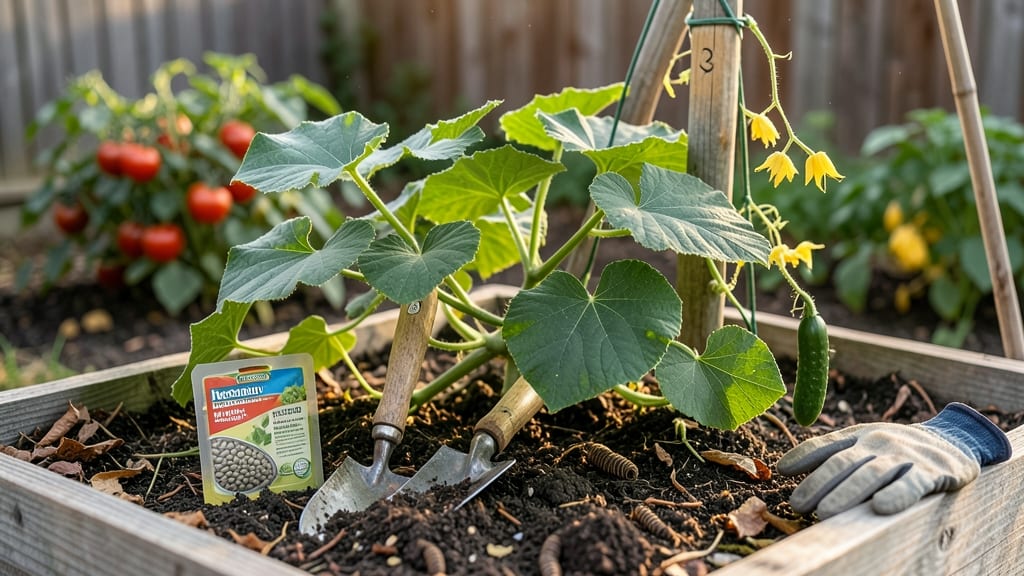
Planting cucumbers in North Florida at the wrong time can turn your garden dreams into a bitter disappointment—literally. 🥒 Too early, and those tender vines bolt before producing a single fruit; too late, and the sweltering summer heat stunts growth.
The key to a bumper harvest lies in understanding the exact planting window that aligns with your local frost dates and soil conditions.
With North Florida’s 8a-9a climate, your best shot is mid-February to mid-March for spring plantings, or late July to early August for a summer harvest. But timing isn’t the only factor—soil temperature, humidity, and even your microclimate (whether you’re near Jacksonville’s coast or Tallahassee’s inland heat) play a role.
Let’s break down the perfect schedule to avoid common mistakes and maximize your yield.
You might be surprised to learn that cucumbers thrive when soil reaches at least 60°F—waiting too long can mean missed opportunities. Whether you’re a seasoned gardener or just starting, these insights will help you plan with confidence and enjoy fresh, homegrown cucumbers from May through October.
Ready to skip the guesswork? I’ll walk you through the step-by-step process, from soil prep to transplanting, so you can enjoy a garden full of crisp, homegrown cucumbers all season long.
North Florida cucumber planting calendar: exact weeks before last frost for zero-bolting success
North Florida’s USDA Zones 8a-9a mean cucumbers thrive in warm soil and consistent heat, but timing is everything. The last frost date typically falls around mid-March in most areas, but coastal regions like Jacksonville may see frost-free conditions 2-3 weeks earlier.
Inland cities like Gainesville and Tallahassee often hold onto cooler nights longer, so adjust your planting window accordingly.
For direct-sown cucumbers, aim to plant 2-3 weeks before your last frost date—this ensures seeds germinate in 60°F+ soil without risking bolting. If you’re transplanting seedlings, wait until soil temperatures hit 65°F and nighttime lows stay above 50°F.
This usually lands in late March to early April for most of North Florida.
Here’s the exact planting window broken down by region:
| Region | Last Frost Date | Direct-Sown Window | Transplant Window | Soil Temp Threshold |
|---|---|---|---|---|
| Jacksonville (Coastal) | Mid-February | Late February - Early March | Early March - Mid-March | 60°F+ |
| Gainesville (Inland) | Mid-March | Late March - Early April | Mid-April | 65°F+ |
| Tallahassee (Panhandle) | Late February | Early March - Mid-March | Late March - Early April | 62°F+ |
To calculate your personal planting date, check the National Weather Service or UF/IFAS Extension for your city’s 3-year average last frost date. For example, if your last frost is March 15, plant direct-sown cucumbers March 1-10 and transplant seedlings March 15-25.
This ensures zero bolting while maximizing the 60-70 day harvest window before summer heat sets in.
For summer plantings, cucumbers can be sown late July to early August to avoid the peak heat stress of North Florida’s summers. Use shade cloth (30-50%) to protect seedlings until they establish roots.
Varieties like ‘Sweet Success’ and ‘Marketmore 76’ tolerate heat better than ‘Straight Eight’, which bolts easily in 90°F+ temperatures.
Pro tip: Test soil temperature with a soil thermometer before planting. Cucumbers won’t germinate below 60°F, and seedlings may rot in cold, soggy soil. If your soil is too cool, wait 7-10 days or use black plastic mulch to warm it faster.
North Florida’s humid climate also means fungal diseases like powdery mildew are a risk. Space plants 3-4 feet apart for airflow and water at the base (not overhead) to keep foliage dry. A 2-inch layer of straw mulch helps retain moisture and regulates soil temperature.
Remember: Early spring plantings give you a May-June harvest, while summer plantings yield in September-October. Plan ahead to enjoy fresh cucumbers year-round in North Florida’s climate!
How to avoid bolting and heat stress: proven techniques for North Florida’s humid climate
North Florida’s unpredictable spring weather—cool nights followed by warm days—triggers cucumber bolting faster than in other regions. This premature flowering wastes your harvest before cucumbers even form. The key is to delay bolting by controlling soil and air temperatures while preparing for summer’s heat stress.
Start by choosing heat-tolerant varieties like ‘Straight Eight’ or ‘Sweet Success,’ which handle North Florida’s 90°F+ days better than standard types. These varieties mature faster (50–55 days) and produce sweet, crisp cucumbers even under stress.
Pair them with shade cloth (30–50%) to protect young plants from midday sun.
🌱 Pro Tip: Use a soil thermometer to confirm temperatures stay above 60°F before planting. If nights dip below 50°F, cover seedlings with frost blankets or row covers until daytime warmth stabilizes. This simple step can add 2–3 weeks to your harvest window.
🔥 5 Critical Steps to Prevent Bolting & Heat Stress
- ✅ Mulch with black plastic to warm soil faster and suppress weeds (raises soil temps by 5–10°F).
- ✅ Water deeply in mornings (1–1.5 gallons per plant) to avoid stress from afternoon heat.
- ✅ Use shade cloth (30–50%) for first 2 weeks to ease transplant shock and reduce bolting triggers.
- ✅ Fertilize lightly with 10-10-10 at planting, then again in 6 weeks—never overfeed.
- ✅ Harvest every 2–3 days to encourage more vining and prevent bitterness from overripe fruit.
For summer plantings (July–August), focus on drip irrigation to keep roots cool. Avoid overhead watering, which can spread fungal diseases like powdery mildew in North Florida’s high humidity.
If your cucumbers start flowering too early (bolting), prune the first flowers to redirect energy to vines—this buys you 10–14 extra days of leafy growth before fruiting.
Finally, rotate crops annually to prevent soil-borne diseases. Cucumbers are heavy feeders, so amend beds with compost before planting. In sandy soils (common in Jacksonville), add organic matter like peat moss to retain moisture; in clay soils (Gainesville/Tallahassee), mix in sand or perlite for drainage.
These adjustments ensure your cucumbers thrive despite North Florida’s challenging climate.
With these techniques, you’ll extend your harvest by 4–6 weeks and avoid the heartbreak of bolting or heat-stressed plants. The secret? Stay proactive—monitor temps, mulch aggressively, and harvest often. Your garden (and taste buds) will thank you! 🥒