
Plants
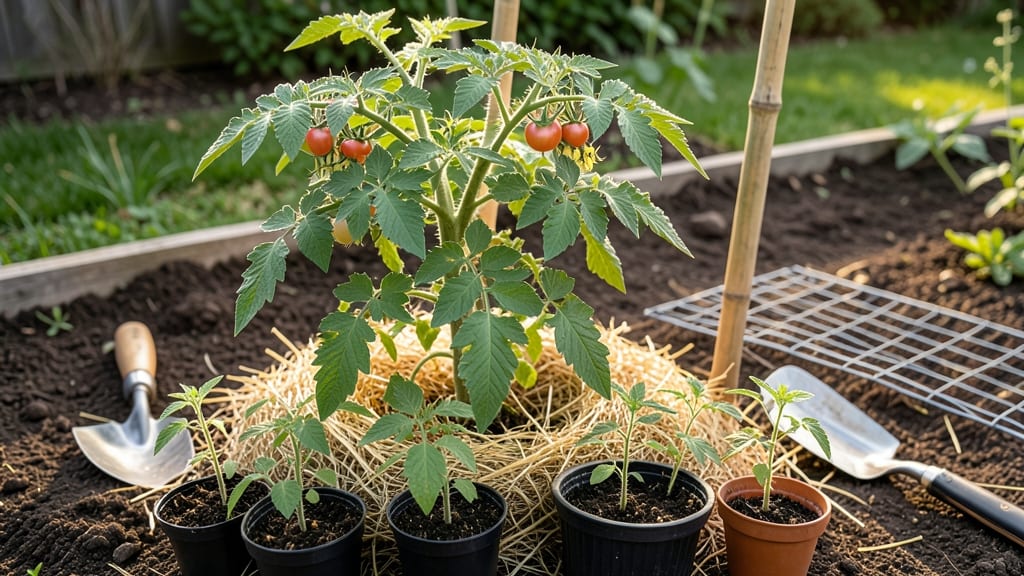
When should you plant tomatoes in Missouri? Timing your tomato planting could mean the difference between a bumper crop of juicy 🍅 or a season of disappointment. With frost dates shifting across the state—from late April in St. Louis to early May in northern regions—getting it wrong means risking tender seedlings to sudden freezes or stunted growth.
But here’s the good news: by following Missouri’s USDA 5b-6b zone guidelines, you can align your planting with nature’s schedule. Whether you’re starting seeds indoors or transplanting seedlings, knowing when soil warms to 60°F+ and nighttime temps stay above 50°F is the key to strong, productive plants.
In this guide, I’ll break down the exact planting windows for your region, plus pro tips to extend your season—whether you’re racing to beat the last frost or planning a fall harvest. Let’s turn your Missouri garden into a tomato paradise!
From direct sowing to transplanting, we’ll cover everything so you can harvest from June to October without stress. Ready to grow like a local?
Missouri tomato planting calendar: frost-free dates by region for best yield
Timing your tomato planting in Missouri hinges on understanding your local frost-free dates and soil temperature. The state’s five distinct climate zones—Northwest, Northeast, Southwest, Southeast, and Central—each have unique planting windows that can shift by 2-3 weeks depending on elevation and microclimates.
For example, St. Louis (Central Missouri) typically sees its last frost around April 15, while Kansas City (Northwest) may wait until May 1.
Tomatoes thrive when soil temperatures hit 60°F or higher, and nighttime temps stay above 50°F. Planting too early risks transplant shock or frost damage, while waiting too long can shorten your harvest window.
Missouri’s growing season averages 165 frost-free days, but regional variations mean your last planting window could be as late as June 1 in cooler areas.
| Region | Avg. Last Frost | Safe Planting Window | Soil Temp Requirement | Microclimate Tip |
|---|---|---|---|---|
| Northwest (Kansas City) | May 1 | May 15–June 1 | 60°F+ | Urban areas warm faster; plant 1 week earlier. |
| Northeast (St. Joseph) | April 20 | April 25–May 10 | 60°F+ | River valleys stay cooler; wait for soil warmth. |
| Central (Columbia/Jefferson City) | April 15 | April 20–May 5 | 60°F+ | Hills warm faster; monitor nighttime temps. |
| Southeast (Poplar Bluff) | March 20 | March 25–April 10 | 55°F+ (earlier varieties) | Longer season; consider fall planting for late harvests. |
| Southwest (Springfield) | April 5 | April 10–April 25 | 60°F+ | Dry heat; mulch to retain moisture. |
For direct sowing, Missouri gardeners can start seeds indoors 6-8 weeks before the last frost date. Use grow lights or a sunny windowsill to ensure seedlings get 12-16 hours of light daily. Harden off seedlings by gradually exposing them to outdoor conditions over 7-10 days before transplanting.
If you’re using transplants, purchase 6-inch-tall seedlings from nurseries once the soil is warm. Avoid planting heirloom varieties too early—they take longer to mature and may not produce fruit before frost.
For early harvests, opt for determinate varieties like ‘Roma’ or ‘Celebrity,’ which ripen faster than indeterminate types like ‘Better Boy.’
Missouri’s first frost typically arrives around October 15, but late-season varieties like ‘Brandywine’ or ‘San Marzano’ can sometimes produce fruit into November if protected. Use row covers or cold frames to extend the season and shield tender plants from unexpected chills.
Always check the University of Missouri Extension’s frost date maps for your specific county, as local conditions can vary. For example, urban heat islands in cities like St. Louis may allow for earlier planting, while rural areas with higher elevations might need to wait longer.
Pro tip: Plant a fast-maturing variety like ‘Early Girl’ (55 days to harvest) as a test crop in early spring. If it thrives, you can safely plant longer-season varieties like ‘Cherokee Purple’ (80+ days) later in the season.
🌱
Missouri tomato planting calendar: frost-free dates by region for best yield
Missouri’s diverse climate means your tomato planting window can vary by 100+ miles. The Northwest and Northeast regions typically see last frosts in mid-April, while the Southeast often warms up by early April.
These differences directly impact your harvest timing—plant too early, and frost will kill tender seedlings; too late, and your season shrinks. Let’s break down the best planting windows by region to maximize your tomato yield.
For all regions, the golden rule is to wait until soil temperatures hit 60°F+ and nighttime temps stay above 50°F. This prevents transplant shock and ensures strong root growth. Use a soil thermometer to check—cold soil slows germination and stunts plants.
Missouri’s USDA zones 5b-6b add another layer of complexity, so regional adjustments are key to avoiding common pitfalls like blossom-end rot from inconsistent moisture.
| Region | Avg. Last Frost | Plant Window | Soil Temp Requirement | Notes |
|---|---|---|---|---|
| Northwest (e.g., St. Joseph) | April 20–May 1 | May 1–May 15 (transplants) | 60°F+ | Cooler nights; use row covers |
| Northeast (e.g., Kirksville) | April 15–April 30 | April 30–May 10 | 60°F+ | Watch for late frosts |
| Central (e.g., Columbia) | April 10–April 25 | April 25–May 5 | 60°F+ | Moderate climate; ideal for early varieties |
| Southeast (e.g., Poplar Bluff) | March 20–April 5 | April 5–April 20 | 60°F+ | Longer season; try fall planting |
| Southwest (e.g., Springfield) | April 5–April 15 | April 15–April 30 | 60°F+ | Hotter summers; drought-tolerant varieties |
If you’re direct sowing seeds, plant 2–3 weeks earlier than transplants—seeds germinate below soil surface and are less frost-sensitive. For example, in St. Louis (Central MO), sow seeds around April 15 and transplant seedlings after May 1.
Pro tip: Use biodegradable seed pots to avoid disturbing roots during transplanting. This method also helps harden off seedlings gradually, reducing shock when exposed to Missouri’s unpredictable wind patterns.
For urban gardeners or those with microclimates (like south-facing walls or raised beds), you can push planting dates 1–2 weeks earlier. These spots warm faster and provide extra protection from late frosts. Always monitor local forecasts—National Weather Service alerts for frost advisories are your best friend.
In my St. Louis garden, I’ve successfully planted Early Girl tomatoes as early as April 20 using black plastic mulch to accelerate soil warming by 5–10°F.
Don’t overlook fall planting for a late harvest. In Southeast Missouri, where first frosts hit around October 15, you can sow cold-hardy varieties like ‘Sungold’ in late July for a September–October harvest.
Use row covers to extend the season by 2–3 weeks. Just ensure your plants have 60+ days to mature before frost—check variety tags for days to harvest guidelines.
Missouri’s tomato growing season averages 165 frost-free days, but your success hinges on timing. Start with your region’s last frost date, adjust for soil temperature, and use season-extending tools to squeeze every ripe tomato from your plants.
With this strategy, you’ll avoid the heartbreak of wilted seedlings or underripe fruit—just juicy, vine-ripened tomatoes all season long. 🍅