
Plants
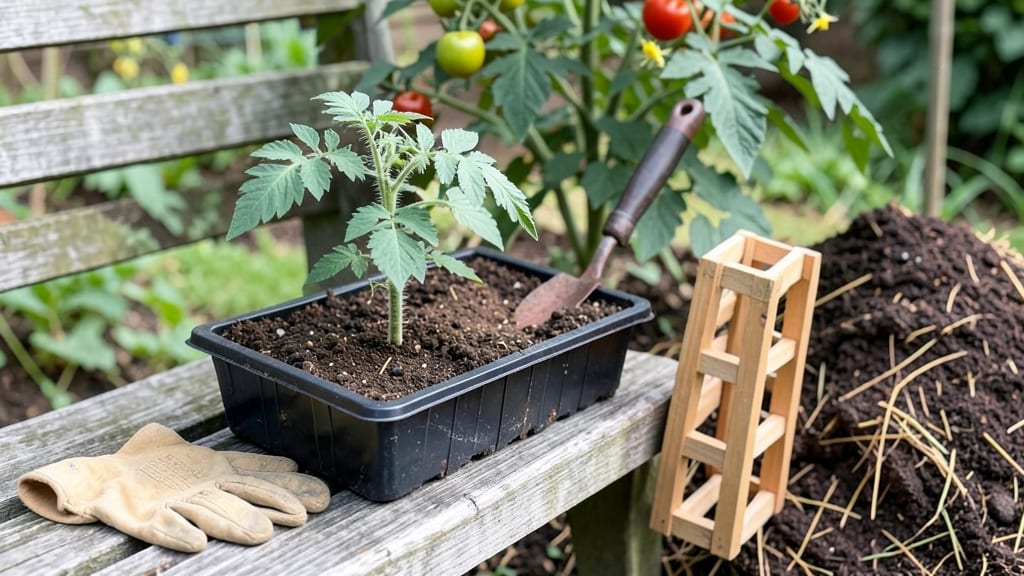
Timing when you should plant tomatoes in Pennsylvania isn’t just about waiting for spring—it’s about reading the soil’s secret language. One wrong move, and your 🍅 plants could bolt before fruiting or wilt under late frost.
The difference between a bumper crop and a sad garden? Knowing when the ground warms enough to support those delicate roots.
Pennsylvania’s 5b-7a zones stretch from Pittsburgh’s cooler valleys to Philadelphia’s urban heat islands, meaning your neighbor’s perfect schedule might not work for you. We’re talking soil temps of 60°F+ for transplants and 55°F+ for direct sowing—not just the calendar date.
Skip this step, and you’ll either rush seedlings or wait too long for summer’s sweet payoff.
What if I told you there’s a way to plant 2-3 weeks earlier without risking frost? It starts with black plastic mulch, cold frames, and choosing the right varieties for your microclimate.
Whether you’re a backyard gardener or a small-scale farmer, these tricks will give your tomatoes the head start they need to thrive from July through October.
Let’s break down the exact windows, soil tests, and regional tweaks that’ll turn your Pennsylvania garden into a tomato powerhouse. No more guesswork—just science-backed timing for the plants you’ve been dreaming of.
Pennsylvania tomato planting timeline by hardiness zones: soil temp & frost date secrets
Pennsylvania spans USDA hardiness zones 4a-7a, meaning your tomato planting window can shift by weeks depending on where you live. In northern PA (zones 4a-5b), like Erie or Scranton, wait until after May 15—frost lingers longer there.
But in southern PA (zones 6a-7a), like Philadelphia or Lancaster, you can plant as early as mid-April if soil warms fast. The key? Soil temperature, not just air temperature.
Tomatoes need soil at 60°F+ for transplants or 55°F+ for direct sowing. A soil thermometer is your best tool—air temps can fool you! For example, a 65°F day might still hide 50°F soil at depth.
In Pittsburgh (zone 6a), aim for May 1 for transplants or late May for seeds. In Allentown (zone 6b), you can start 2 weeks earlier.
Use this frost date rule: Plant when your average last frost date has passed plus 2 weeks of buffer. Check the Penn State Extension map for your exact zone—it’s free and updated annually.
For instance, State College (zone 6a) typically sees its last frost April 25, but I wait until May 10 to be safe.
Here’s how variety choice affects timing: Early-season varieties (like 'Stupice' or 'Mountain Merit') can handle cooler soils and shorter seasons, while heirlooms (e.g., 'Brandywine') need 90+ days of warmth.
In northern PA, stick to 60-day varieties; in southern PA, you can try 85-day heirlooms with a longer season.
🌱 Pro Tip: If your soil is slow to warm, try black plastic mulch 2 weeks before planting. It raises soil temps by 10°F+ and suppresses weeds—win-win for northern PA gardeners!
| Zone | Last Frost Date | Ideal Planting Window | Soil Temp Threshold | Best Varieties |
|---|---|---|---|---|
| 4a-5a (Erie, Scranton) | May 15–20 | June 1–15 (transplants) | 60°F+ (use row covers) | 'Early Girl', 'Stupice' |
| 5b-6a (Pittsburgh, Harrisburg) | April 25–May 10 | May 1–15 (transplants) | 55°F+ (direct sow) | 'Mountain Spring', 'Celebrity' |
| 6b-7a (Philadelphia, Lancaster) | April 10–20 | April 15–May 1 (transplants) | 50°F+ (with mulch) | 'Sungold', 'Brandywine' |
🌡️ Soil Temp > Air Temp: Always check soil depth (2–3 inches) with a thermometer!
For direct sowing (planting seeds outdoors), Pennsylvania’s short season means you’ll often miss the boat unless you start indoors in March. Seedlings need 6–8 weeks of indoor growing before transplanting.
If you’re direct sowing, wait until after May 1 in most zones—earlier seeds risk damping off (a fungal disease) in cold, wet soil.
💡 Regional Hack: In Philadelphia’s urban heat islands, soil warms 3–5 days earlier than rural areas. Test your spot! If your backyard is paved or asphalt-heavy, it may stay cooler longer—opt for shade cloth to protect young plants from late-spring heat spikes.
If you’re in zone 4a (e.g., Northwest PA), consider starter plants from a local nursery—they’re already hardened off and can handle cooler soils. Avoid big-box-store seedlings; they’re often overgrown and stressed from indoor production.
Look for stocky, dark-green plants with 5–7 leaves—these adapt best to PA’s unpredict
How Pennsylvania microclimates change your tomato planting strategy (and how to adapt)
Pennsylvania’s diverse geography—from Pittsburgh’s river valleys to Philadelphia’s urban heat islands—creates microclimates that can shift your tomato planting window by 2-4 weeks. A sunny city sidewalk might hit 70°F while a shaded rural hillside lingers at 55°F, forcing you to adapt. Ignoring these differences risks stunted growth or late-season bolting, so let’s decode how to adjust your strategy. Urban vs. Rural areas experience the biggest contrasts. City gardens often warm 5-10°F faster than countryside plots due to concrete and asphalt trapping heat. Meanwhile, northern PA’s lake-effect zones (like Erie) can delay soil warming by 10-14 days compared to southern regions. Your backyard’s microclimate—whether it’s a south-facing slope or a north-shaded corner—also dictates when to plant.Microclimate Adjustments for Pennsylvania Tomatoes
Plant 2 weeks earlier than rural areas. Use shade cloth to prevent heat stress on seedlings.
Soil warms 3-5°F faster—ideal for early varieties. Monitor for drought stress with mulch.
Delay planting by 1-2 weeks to avoid late frosts. Choose cold-tolerant varieties like 'Stupice'.
Avoid planting until soil hits 65°F+. Use black plastic mulch to accelerate warming.
Frost risk lingers longer. Opt for late-maturing varieties or extend season with row covers.
Plant near windbreaks (fences, hedges) to prevent stem damage. Use stakes or cages for support.