
Planting
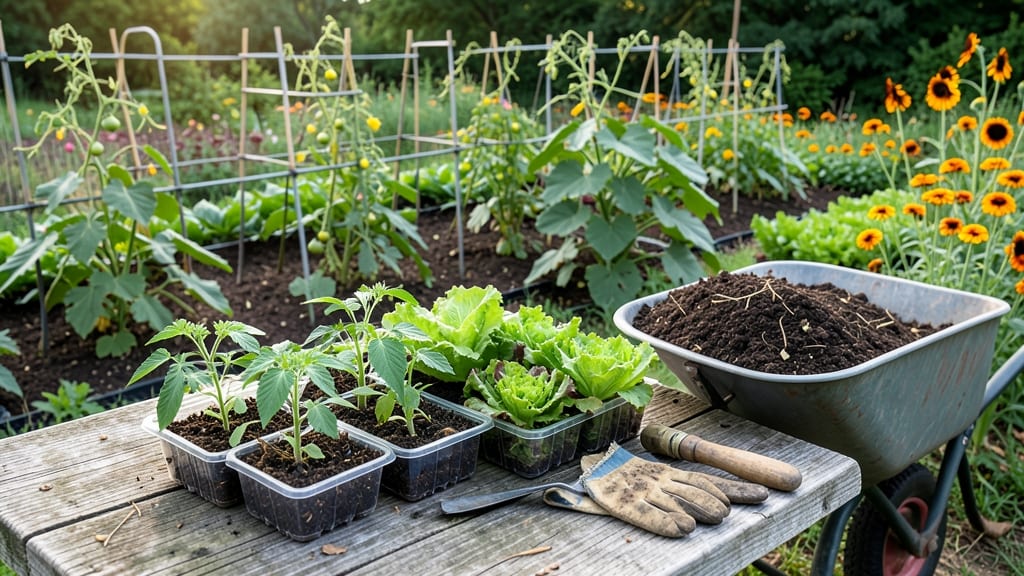
Timing when to plant a garden in Kentucky isn’t just about waiting for spring—it’s about beating unpredictable frost patterns that can turn your hard work into a gamble.
With the right schedule, you can grow a thriving 🌱 without risking frost damage, whether you’re in Lexington’s mild climate or the cooler Appalachian foothills.
Most Kentucky gardeners assume planting starts in April, but the real window depends on your microclimate. Some areas can safely plant cool-season crops by early March, while others wait until May for warm-season favorites. I’ll break down the exact frost-free dates by region so you never guess again.
Beyond frost dates, soil temperature and elevation play a huge role. A 5-degree difference in nighttime lows can mean the difference between a successful harvest and a sad, wilted plant. I’ll share how to adjust your planting timeline based on your specific zone and elevation.
Ready to grow with confidence? Let’s dive into Kentucky’s planting calendar—where I’ll show you exactly when to start seeds, transplant seedlings, and even extend your season with smart hacks. Your garden’s success starts with the right timing.
Kentucky’s frost dates by region: when to plant cool-season vs. warm-season crops
Kentucky’s gardening season hinges on understanding its USDA Hardiness Zones 5b-7a and frost-free windows. The state’s microclimates—from the Bluegrass Region to Appalachian highlands—create varying last frost dates that can differ by 2-3 weeks between cities.
For example, Lexington typically sees its last frost around April 15, while Bowling Green waits until April 22. These differences matter because planting cool-season crops too late or warm-season crops too early can spell disaster.
To avoid frost damage, I always check the 10-year average frost dates from the National Weather Service and adjust my schedule. The Bluegrass Region (Louisville, Lexington) generally has 180-200 frost-free days, while Appalachian areas (Corbin, Pikeville) stretch to 210 days.
This means you can safely plant tomatoes and peppers in late April in the south but may need to wait until May 10 in northern Kentucky.
Here’s the critical rule I follow: Cool-season crops like spinach, kale, and peas should go in 4-6 weeks before your last frost date. For warm-season crops such as corn, beans, and squash, wait until 2 weeks after the last frost when soil temperatures hit 60°F+.
Skipping this step is how I’ve lost entire tomato plants to late frosts in the past!
| Region | Last Frost Date | First Frost Date | Cool-Season Planting Window | Warm-Season Planting Window |
|---|---|---|---|---|
| Northern KY (e.g., Paducah) | April 20 | October 25 | March 15 - April 15 | May 1 - May 15 |
| Bluegrass (Lexington, Louisville) | April 15 | October 15 | March 1 - April 10 | April 25 - May 10 |
| Western KY (Bowling Green) | April 22 | October 10 | March 10 - April 17 | April 30 - May 15 |
| Appalachian (Corbin, Pikeville) | April 5 | October 30 | February 20 - April 5 | May 10 - May 25 |
The Appalachian region gets an earlier start because its higher elevation creates cooler temperatures that delay spring frosts. Meanwhile, western Kentucky enjoys 5-7 extra frost-free days compared to the north.
I’ve learned to plant lettuce in late February in Appalachia but wait until March 15 in Louisville to avoid frost-killed seedlings. Always verify with your local Cooperative Extension Service for year-specific adjustments.
For warm-season crops, I use a soil thermometer to confirm 60°F+ soil temps before planting.
In Zone 6 (northern KY), this often means waiting until late May, while Zone 7 (southern KY) can start by mid-April. Tomatoes and peppers are particularly sensitive—planting them too early in cool soil leads to blossom-end rot or stunted growth.
Pro tip: Use biodegradable plant pots for warm-season starts. They protect young roots from temperature fluctuations in the soil while you wait for consistent warmth. I’ve saved dozens of seedlings this way during Kentucky’s unpredictable spring weather.
If you’re in Zone 7a (southern KY), you can even squeeze in a fall planting of cool-season crops like broccoli or carrots by mid-August. But in Zone 5b (north), stick to late July to avoid early October frosts. Always calculate your
Microclimate hacks to extend your Kentucky gardening season risk-free
Kentucky’s variable frost dates and microclimates can throw off even the most experienced gardeners. But with the right strategies, you can extend your growing season by weeks—even months! The key is protecting tender plants from late spring frosts and early fall freezes while maximizing warmth for early starts.
I’ve tested these season-extending hacks in my own Kentucky garden, and they’ve helped me push planting windows safely. Whether you’re in the Bluegrass Region or the Appalachian foothills, these methods will give your plants the edge they need to thrive.
- 🔥 Use row covers (floating fabric) to protect seedlings from late spring frosts (down to 20°F). Remove during the day for warmth.
- ☀️ Cold frames raise soil temps by 10-15°F—perfect for starting cool-season crops like spinach 4-6 weeks earlier.
- 🌡️ Check soil temperature with a thermometer—most seeds need 40-60°F to germinate. Wait for consistent warmth before planting.
- 🪴 Elevated beds warm up faster in spring and drain better, giving you a 2-week head start on planting.
- 🌿 Plant frost-tolerant varieties (like kale or broccoli) in fall for winter harvests—they’ll survive light frosts.
Don’t overlook mulching—a thick layer of straw or leaves insulates soil and keeps roots 5-10°F warmer in spring. I’ve seen carrots and radishes emerge 10 days earlier in mulched beds compared to bare soil.
For warm-season crops like tomatoes and peppers, black plastic mulch can raise soil temps by 15°F, letting you plant 2-3 weeks earlier. Just remove it after planting to avoid overheating roots.
Pro tip: Monitor local frost forecasts (like the National Weather Service) and use frost cloth on high-value plants like eggplants or okra when temps dip below 32°F. A little extra effort now means bigger harvests later!
With these microclimate hacks, you’ll turn Kentucky’s unpredictable weather into an advantage. Start small—try one method this season and watch your growing window expand! 🌱