
Plants
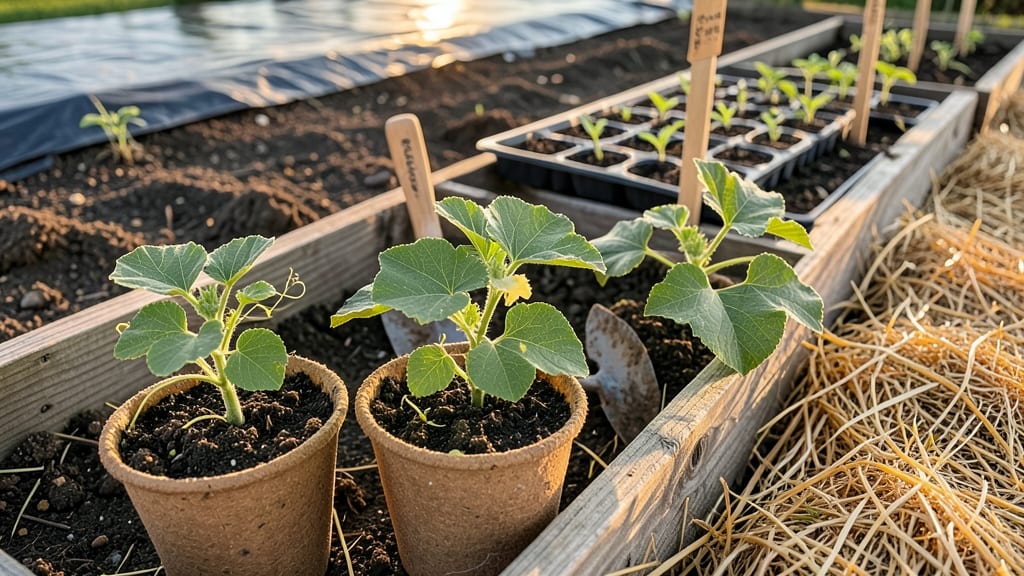
If you're dreaming of planting acorn squash in Florida and harvesting sweet, homegrown 🎃, timing is everything—because those 90-degree days can turn your garden into a squash-killing sauna if you're not careful.
Most gardeners assume Florida’s frost-free zone means you can plant anytime, but the truth is, acorn squash thrives when soil temperatures hit at least 60°F—and that’s not always as simple as it sounds.
Whether you're in North Florida’s 9a or the balmy 11 of the Keys, I’ll break down the exact months to plant for a bountiful harvest, plus heat-tolerant varieties that won’t wilt under the sun.
You’ll also discover how to beat Florida’s humidity and pests while keeping your squash vines happy—because even the hardiest plants need a little help in this climate. Let’s get your garden prepped for the perfect planting window.
From seed to harvest, I’ll cover everything you need to know to avoid common mistakes and enjoy homegrown squash that tastes better than anything you’ll find in a store. Ready to grow?
Best planting months for acorn squash in Florida’s climate zones
Florida’s unique climate—with its humidity, heat, and frost-free winters—means acorn squash can thrive year-round if planted at the right time. Unlike northern states, you don’t have to worry about frost, but soil temperatures and summer heat still dictate the best planting windows.
For maximum yield and sweetness, focus on two key periods: spring and fall, each with its own advantages.
In North Florida (Zones 8-9), cooler winters and hotter summers create slightly different conditions than South Florida (Zones 10-11). For example, Zone 8 gardeners can start seeds indoors as early as February, while Zone 11 gardeners might wait until late March to avoid overheating.
The goal is to avoid planting during peak summer heat (June-August), when squash vines struggle to establish roots and set fruit.
Direct sowing outdoors is ideal for Florida’s climate, but starting seeds indoors 4-6 weeks before the last frost-free date (which varies by zone) can give you a head start.
Since Florida rarely sees frost, use soil temperature as your guide: wait until the ground warms to at least 60°F for consistent germination. A soil thermometer is your best tool here—cool soil delays sprouting, while hot soil can scorch seeds.
Here’s the exact breakdown of when to plant acorn squash in Florida’s zones, including whether to start indoors or direct sow:
| Florida Zone | Best Planting Window | Start Indoors? | Direct Sow Date | Harvest Window | Key Consideration |
|---|---|---|---|---|---|
| 8 (North FL) | March–April (spring) or August–September (fall) | Yes (4–6 weeks before last frost) | After April 15 (soil ≥60°F) | July–August (spring) or November–December (fall) | Cooler nights in spring; avoid summer heat |
| 9 (Central FL) | February–March (spring) or July–August (fall) | Optional (soil warms fast) | After March 1 (soil ≥60°F) | June–July (spring) or October–November (fall) | Humidity spikes in summer; use shade cloth |
| 10 (South FL) | January–February (spring) or June–July (fall) | No (direct sow preferred) | After January 15 (soil ≥65°F) | May–June (spring) or September–October (fall) | Year-round growth possible; watch for pests |
| 11 (South FL) | December–January (spring) or May–June (fall) | No (direct sow preferred) | After December 1 (soil ≥68°F) | April–May (spring) or August–September (fall) | High humidity; improve airflow to prevent disease |
For spring plantings, aim to harvest before the summer heat peaks (June–July). Acorn squash matures in 80–100 days, so count backward from your first expected 90°F+ day to determine your planting date.
For example, if you want to harvest by June 15, plant seeds by March 15 in Zone 9.
Fall plantings are often more reliable in Florida because the weather cools slightly, reducing stress on vines. Start seeds in August for a November harvest, or direct sow in September for a December–January harvest.
The key is to avoid planting too late, as squash needs time to mature before winter rains increase fungal risks.
One common mistake Florida gardeners make is planting too early in spring when soil is still cool. If you start seeds in January or February in North Florida, they may rot in the damp, chilly ground.
Instead, wait for soil to warm—even if it means delaying planting by a few weeks. A simple black plastic mulch can speed up soil warming by 10–15°F in just a few days.
Pro tip: If you’re in South Florida (Zones 10–11), you can technically plant acorn squash year-round, but yields will be smaller and less sweet during the hottest months.
For best results, stick to the spring and fall windows and use shade cloth (30–50%) to protect plants from intense afternoon sun.
Finally, remember that acorn squash is a warm-season crop, so it hates cold snaps. Even in frost-free Florida, a sudden 50°F night can stunt growth. If you’re planting in early spring or late fall, use row covers to provide extra warmth until vines are established.
Best planting months for acorn squash in Florida’s climate zones
Florida’s frost-free climate might make you think acorn squash can grow anytime, but the real challenge is avoiding overwhelming heat and humidity. The key is planting when soil temperatures hit 60°F or higher—this ensures strong germination and healthy vines.
In Florida’s USDA zones 8-11, the best windows are spring (March-April) and fall (August-September), with slight adjustments based on your region.
North Florida (zones 8-9) has cooler springs, so you can start seeds indoors in February and transplant outdoors by late March.
Meanwhile, South Florida (zones 10-11) gardeners should focus on fall planting to escape the brutal summer heat, aiming for August-September sowing for a November harvest before winter chills set in.
Here’s how Florida’s climate zones break down for optimal planting:
| Zone | Best Planting Window | Soil Temp Requirement | Key Consideration |
|---|---|---|---|
| 8-9 (North FL) | March-April (spring) or August (fall) | 60°F+ | Cooler nights in spring; avoid summer heat |
| 10 (Central FL) | February-March (spring) or September (fall) | 65°F+ | Humidity spikes in summer; fall is safer |
| 11 (South FL/Keys) | August-September (fall only) | 70°F+ | Summer heat kills vines; fall is critical |
Direct sowing outdoors is ideal for Florida’s heat, but if you’re starting seeds indoors, begin them 4-6 weeks before your target outdoor planting date.
For example, North Florida gardeners can start seeds in late January for a March transplant, while South Florida should skip indoor starts entirely and focus on direct sowing in August.
One common mistake is planting too early in South Florida’s summer—soil can feel cool to the touch but still be above 90°F, shocking young seedlings. Always check soil temps with a soil thermometer (aim for 60-70°F) before planting.
If temps exceed 85°F, your squash may bolt or fail to set fruit.
For a second harvest, try succession planting in late summer—sow a few seeds every 2-3 weeks in August to stagger your harvest through October-November. This works especially well in Central and North Florida, where cooler fall temps extend the growing season naturally.
Pro tip: If you’re in zone 10-11 and miss the fall window, consider container growing with shade cloth—this can push your harvest into early December before winter rains arrive. Just be sure to use well-draining soil to prevent root rot in Florida’s humidity.