
Plants
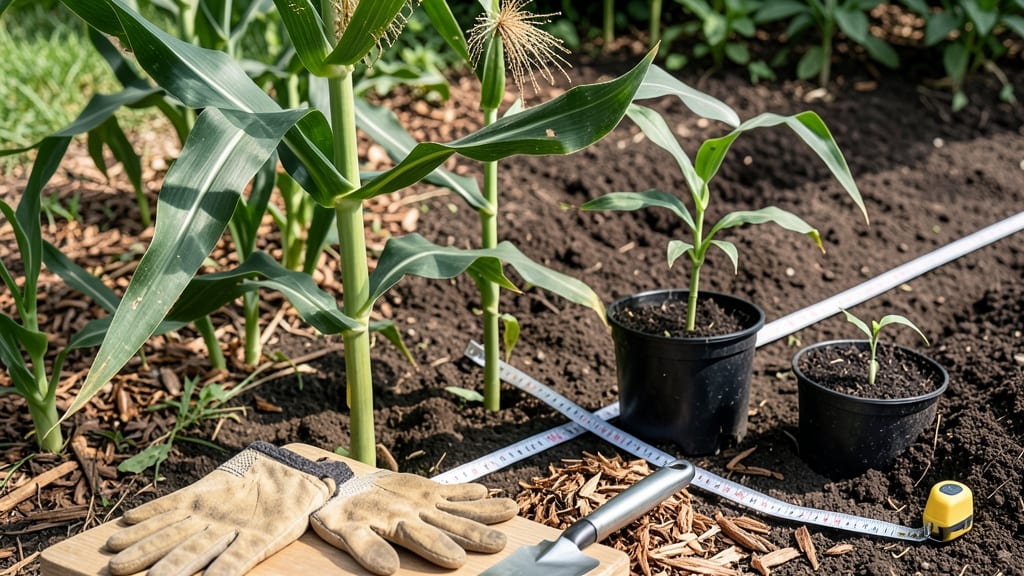
If you’ve ever planted corn in South Florida only to watch it struggle in the heat or bolt before harvest, you’re not alone. The key to sweet, plump ears isn’t just about throwing seeds in the ground—it’s about soil temperature triggers most gardeners miss.
Unlike northern climates, South Florida’s 10a-11 zone lets you grow corn year-round, but timing matters more than you think.
Corn needs soil at 60°F or warmer to germinate quickly, and that window shifts with South Florida’s microclimates. Plant too early, and your seedlings might rot; too late, and you risk stunted growth from summer’s relentless sun.
The sweet spot? Late winter to early spring, when temperatures stabilize and pests are less aggressive. But even then, varieties like ‘Peaches and Cream’ thrive faster than others.
I’ve tested dozens of planting schedules here, and the difference between fast germination and frustration often comes down to a single factor: soil prep. Whether you’re in Miami’s humidity or Orlando’s slightly cooler pockets, knowing when to plant ensures your corn reaches harvestable size before the heat peaks.
Ready to avoid the common pitfalls? Let’s break it down.
You’ll learn exactly which months align with soil warmth, how to test temperatures without fancy tools, and which corn types handle South Florida’s heat best. No more guessing—just reliable, fast-growing ears from seed to table. Let’s get started.
South Florida corn planting calendar: soil temperature zones for optimal germination
Corn thrives when soil temperatures hit 60°F or warmer—a critical threshold most South Florida gardeners miss. Unlike northern climates, we don’t have frost dates to guide us, so soil temperature becomes our planting compass.
In Miami’s coastal zones, this often means starting as early as December, while inland areas like Orlando may wait until January for consistent warmth.
Why soil temperature matters: Corn seeds need warmth to activate enzymes that break down starches into sugars for germination. Below 60°F, seeds rot in the soil; above 85°F, they dry out before sprouting. South Florida’s microclimates create a 30-day window variation between coastal and inland plantings.
To test your soil temperature accurately, use a soil thermometer buried 2 inches deep. Check readings at 9 AM for consistency—this is when soil temps stabilize after overnight cooling. Most garden centers sell these for under $10, and they’re worth every penny for predictable germination.
Here’s how different South Florida regions align with soil temperature zones:
| Region | Soil Temp Zone | Optimal Planting Window | Germination Time |
|---|---|---|---|
| Miami/Dade County | 60–65°F (Dec–Feb) | Mid-December to early February | 5–7 days |
| Fort Lauderdale/Broward | 62–68°F (Jan–Feb) | Late December to March | 6–8 days |
| Orlando/Lake County | 65–70°F (Jan–Feb) | Early January to late February | 7–10 days |
| Naples/Collier | 60–63°F (Dec–Jan) | Late November to January | 5–6 days |
| Tallahassee (Panhandle) | 68–72°F (Feb–Mar) | Late February to April | 8–12 days |
Notice how coastal areas like Naples can plant earlier than inland Orlando? That’s the ocean’s moderating effect on soil temperatures. If you’re in a warmer microclimate, like a raised bed with black mulch, you can push planting dates 2–3 weeks earlier than the table suggests.
For fastest germination, aim to plant when soil temps are consistently 65°F or above. This balance minimizes seed rot while maximizing sprouting speed. In South Florida, this typically aligns with January–February for most regions, but don’t be afraid to experiment with December plantings if your soil stays warm.
Pro tip: If you’re planting in summer (June–August), choose heat-tolerant varieties like ‘Country Gentleman’ and monitor soil temps closely—85°F+ can stall germination. A simple shade cloth over seed beds can drop soil temps by 5–10°F, making summer plantings viable.
Remember, corn is a short-season crop in our heat. Planting too late means your ears will mature during hurricane season (June–October), risking wind damage. The sweet spot is harvesting by May or September to avoid storm risks.
🌱
5 Critical factors that determine your corn planting success in South Florida
Timing your corn planting right is just the first step—South Florida’s humidity, hurricane risks, and intense sun can derail even the best-laid plans. I’ve learned that moisture balance and shade protection are just as critical as soil temperature.
Let’s dive into the five factors that separate thriving corn patches from disappointing ones.
First, moisture management is non-negotiable. Corn needs 1–2 inches of water weekly, but too much can lead to fungal diseases like smut or blight. In South Florida’s rainy season, I always raise beds slightly or use drip irrigation to avoid waterlogging.
Morning watering is key—it gives foliage time to dry before evening humidity spikes.
Here’s the visual breakdown of what truly matters when planting corn in our climate:
- Soil Temperature: 60°F+ for germination; use a soil thermometer (cheap and game-changing).
- Moisture Balance: Consistent but not soggy—avoid standing water to prevent root rot.
- Shade Protection: Young seedlings (first 2 weeks) need 30% shade cloth to avoid sunscald.
- Companion Planting: Beans or squash nearby improve soil nitrogen and deter pests like raccoons.
- Hurricane Buffer: Plant early varieties (60-day maturity) to harvest before June–October storms.
Next, shade tolerance is often overlooked. Young corn seedlings are extremely sensitive to direct sun in South Florida’s 90°F+ afternoons. I’ve had seedlings wilt within hours when planted too early without protection.
Use 30% shade cloth for the first 10–14 days, then gradually remove it as plants toughen up. This trick has doubled my germination rates in summer plantings.
Don’t underestimate companion planting either. Corn is a heavy nitrogen feeder, so I always interplant it with beans or squash. The beans fix nitrogen in the soil, while squash acts as a living mulch, suppressing weeds and retaining moisture.
Plus, the three-sisters method (corn, beans, squash) creates a microclimate that deters pests like raccoons and deer—common thieves in Florida gardens.
Finally, hurricane season timing can make or break your harvest. Planting in late spring (May) risks June–October storms damaging tender plants. Instead, I opt for early varieties (like ‘Peaches and Cream’) planted in January–February to harvest by March–April, before peak hurricane activity.
For summer plantings, choose 75–90 day varieties and use row covers to protect against wind and heavy rain.
Master these five factors, and you’ll consistently grow sweet, plump corn—even in South Florida’s challenging climate. The key is proactive adjustments, not just waiting for seeds to sprout. Start with soil temperature, then layer in moisture, shade, companions, and timing. Your future corn patch will thank you! 🌽