
Plants
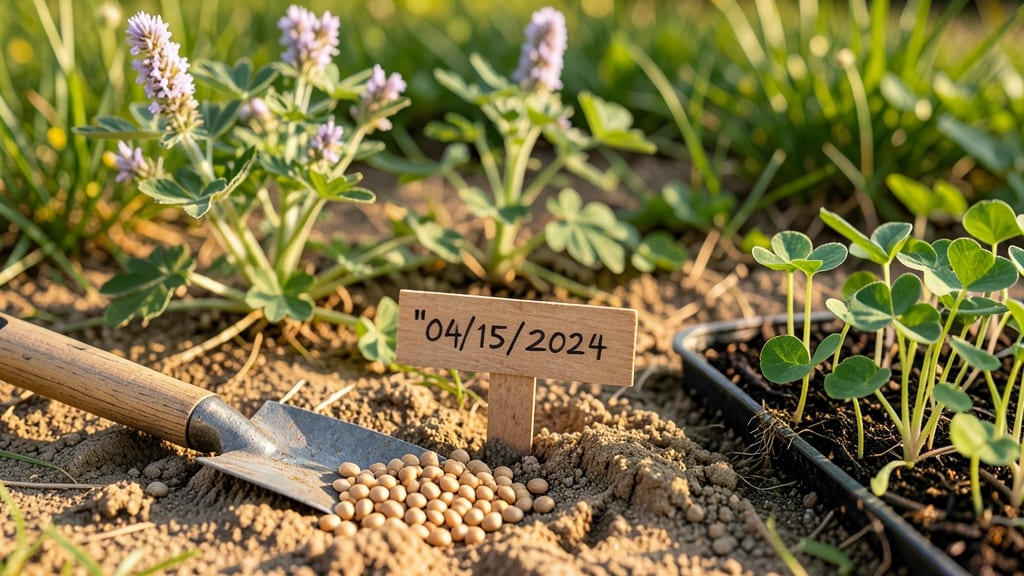
If you're planting alfalfa in Missouri, timing is everything—get it wrong, and you risk frost damage or stunted growth, but nail it, and you'll unlock a high-yield forage crop that thrives in the Show-Me State's climate.
Missouri's USDA zones 5b-6b mean you’ve got a narrow frost-free window to work with, especially when planting 🌱 alfalfa in early spring. The key is balancing soil warmth and avoiding late frosts, which can derail your crop before it even takes root.
I’ve grown alfalfa here for years, and the best results come from planting in March or April, when soil temps hit 50-60°F—just warm enough for germination without inviting pests. But there’s more to it than just dates; soil type and microclimates play a huge role too.
In this guide, I’ll break down the exact planting windows, soil prep tips, and how to adjust for Missouri’s unpredictable weather. Whether you’re a farmer or homesteader, these insights will help you plant alfalfa for maximum yield—no guesswork required.
Missouri’s ideal alfalfa planting window: frost dates & soil temps
Alfalfa thrives in Missouri’s USDA zones 5b-6b, where precise timing separates a thriving forage crop from a failed investment.
The last spring frost typically arrives between April 1-15, but regional variations mean northern areas (like St. Joseph) may wait until mid-April, while southern zones (like Poplar Bluff) can plant as early as late March.
For best results, aim to sow seeds when soil temperatures reach 50-60°F at a 4-inch depth. This usually aligns with mid-March to early April in most of Missouri, but always verify with a soil thermometer.
Cool soils delay germination, while warm soils encourage rapid sprouting—both extremes can backfire if not monitored.
Here’s how Missouri’s three main regions differ in planting windows:
While spring planting is the gold standard, Missouri’s short growing season allows for a late-summer backup window (August 1-15) in zones 6b and above. This second chance works best in irrigated fields with well-drained soil, as summer heat can stress young seedlings.
Always use inoculated seeds to ensure nitrogen fixation starts promptly.
Pro tip: Check the Missouri State Climate Office for your county’s 30-year frost averages—some areas like Sedalia have shifted planting windows by 2 weeks due to climate trends. Adjust accordingly to avoid frost heave, where soil freezes and lifts seedlings out of the ground.
For organic growers, amend soil with composted manure 4-6 weeks before planting to boost microbial activity. Alfalfa’s deep roots (up to 10 feet) need loose, fertile soil to establish quickly—don’t skip this step, even if your soil tests “adequate.”
Missouri’s drought-prone summers mean alfalfa planted in early April has a 120-day head start to develop robust root systems before heat stress kicks in. Delaying until May risks stunted growth, especially in clay-heavy soils that bake hard when dry.
🌱
How to adjust planting time for Missouri’s microclimates & soil types
Missouri’s diverse landscapes—from the clay-heavy soils of central regions to the loamy grounds of the northwest—mean your alfalfa’s planting window should adapt to local conditions.
For example, sandy soils in the southeast warm faster in spring, while clay soils retain moisture longer, delaying ideal planting dates by up to 2 weeks. Always check your soil’s moisture retention before committing to a schedule.
Start by testing your soil’s drainage and pH—alfalfa thrives in well-draining, slightly acidic soil (pH 6.5-7.0). If your soil is compacted or heavy, consider amending it with compost or sand before planting.
This adjustment can shift your planting window by 10-14 days earlier, especially in Zone 6b areas where frost lingers.
Use a soil thermometer to confirm 50-60°F soil temps—alfalfa seeds won’t germinate below 50°F. In northern Missouri (Zone 5b), this often means waiting until mid-April, while southern regions (Zone 6b) can start as early as late March.
Pro tip: Plant in loamy soils first—they warm faster and hold moisture better than clay.
🌱 Key Takeaway: Adjust Planting by Soil Type
- Clay Soil: Wait until mid-April (soil warms slower)
- Loamy Soil: Plant by late March (ideal for Zone 6b)
- Sandy Soil: Start by early April (dries faster; water deeply)
💡 Pro Tip: Use a moisture probe to avoid overwatering sandy soils.
Microclimates also play a role—south-facing slopes warm 1-2 weeks earlier than flat fields. If your land has slopes, test soil temps in the coolest spots to avoid premature planting. For shaded areas, delay planting until late April to prevent legume rot from excess moisture.
For fall planting (a backup option in Missouri), aim for late August to allow 6-8 weeks of growth before first frost (mid-October). Use a frost-free depth chart to gauge risk—alfalfa seedlings need 4+ weeks to establish roots before winter.
Finally, monitor local weather stations for 10-day forecasts. If unseasonable cold is predicted, delay planting by 1 week to protect seedlings. Alfalfa’s drought resilience kicks in after 60 days, so prioritize early-season moisture over perfect timing.
By aligning your planting schedule with soil type, microclimate, and weather trends, you’ll maximize alfalfa’s root depth and yield potential—even in Missouri’s unpredictable climate. 🌱