
Plants
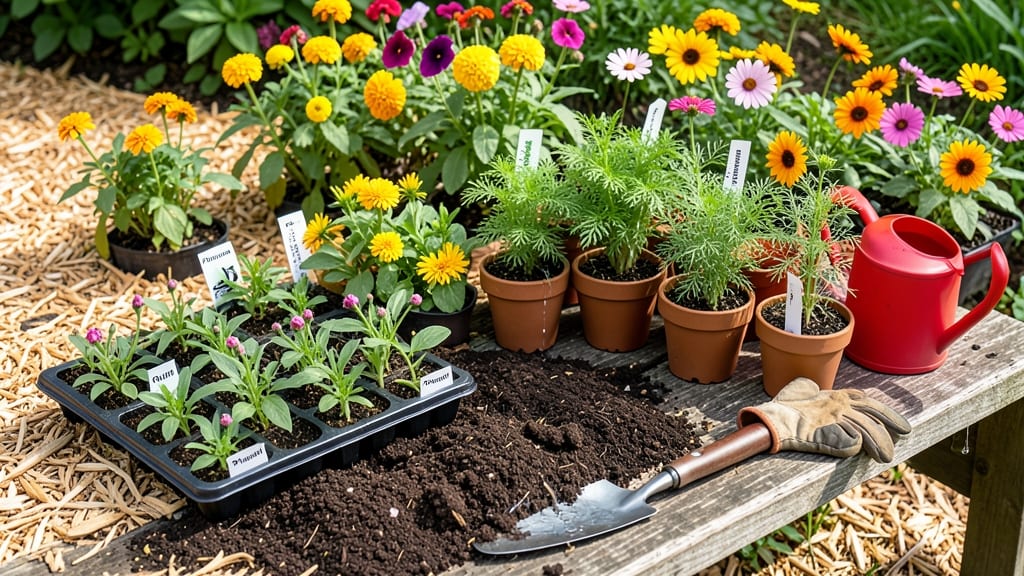
When to plant annuals in Chicago is all about timing—because those unpredictable spring freezes can turn a dreamy garden into a frost-killed mess. You’ve probably heard the standard advice: wait until after the last frost. But in Chicago’s 6a zone, that’s not enough. The Lakeshore, City Core, and South Suburbs each have their own frost-free windows, and planting too early (or too late) can throw off your entire growing season. What you need are the exact weeks to start seeds and transplant, tailored to your microclimate.
I’ll break down the optimal planting windows for both spring and fall annuals, so you can avoid the common mistakes that leave Chicago gardeners scrambling. Whether you’re dreaming of petunias, marigolds, or basil, these dates will help you maximize your bloom time and harvest.
Ready to stop guessing and start growing with confidence? Let’s dive into the microclimate-specific schedule that works for Chicago—no more frost surprises here.
Chicago’s 2024 annual planting zones by microclimate (with exact frost-free weeks)
Chicago’s USDA Zone 5b/6a climate means frost can strike anytime before mid-May or after mid-September. But did you know the city’s three distinct microclimates—Lakeshore, City Core, and South Suburbs—can shift your planting window by 2-3 weeks?
Understanding these zones helps you avoid frost damage and maximize bloom time for your petunias, marigolds, and zinnias.
The Lakeshore area (near Lake Michigan) warms 1-2 weeks earlier than inland zones thanks to the lake’s heat-retaining properties. Meanwhile, the City Core experiences an urban heat island effect, delaying frost by 5-7 days compared to suburban areas.
South Suburbs, like Markham or Tinley Park, often see frost 1 week later than North Side neighborhoods.
Here’s the critical data you need: the average last frost dates and optimal planting windows for each zone, based on 30 years of NOAA records. These windows ensure zero frost risk for your annuals.
For fall planting, aim for August 1 - September 15 across all zones. Choose cold-hardy annuals like kale, spinach, or snapdragons to extend your season until the first frost. The South Suburbs can sometimes push this window to September 25 if using row covers.
Pro tip: Use a soil thermometer to confirm 50°F soil before planting. Most annual seeds won’t germinate in cooler soil, even if air temps are warm. Petunias and geraniums are especially sensitive to cold soil.
Chicago’s first frost typically arrives around October 15, but Lakeshore areas can see frost as early as October 1. If you’re growing vegetable annuals like bush beans or cucumbers, start seeds indoors in March and transplant after your zone’s last frost date to maximize harvests.
Don’t forget about container gardening! Potted annuals in the City Core can be moved to protected porches or greenhouses to extend the season by 3-4 weeks. Just ensure pots have drainage holes and use lightweight soil to prevent cracking in freeze-thaw cycles.
For real-time updates, check the National Weather Service Chicago frost alerts. A late frost in May can wipe out seedlings, but knowing your microclimate helps you act fast—whether that means covering plants or replanting.
Ready to dive deeper? Next, we’ll cover how to adjust planting dates for Chicago’s unpredictable weather, including row covers, cold-hardy varieties, and the 7-day rule for late starts. 🌱
How to adjust planting dates for Chicago’s unpredictable weather (pro tips)
Chicago’s weather can be as unpredictable as a summer thunderstorm—one day it’s 70°F, the next it’s a 28°F surprise. That’s why relying on average frost dates is risky. Instead, I’ve developed a system to extend your planting season safely, even when Mother Nature throws curveballs.
The key? Flexible strategies like row covers, cold-hardy varieties, and the ‘7-day rule’ for late starts.
First, let’s talk about row covers. These lightweight fabrics (like frost blankets) can push back frost dates by 2-4 weeks. I’ve used them to plant cold-sensitive annuals like basil and petunias as early as mid-April, even if the forecast calls for a late frost. Just
🌱 Pro Tip: The '7-Day Rule' for Late Starts
- Monitor NOAA alerts for frost warnings in your microclimate.
- If frost is predicted 7 days out, hold off on planting.
- Use this buffer to replant or harden off seedlings if needed.
- For heat-loving annuals (like tomatoes), wait until soil temps hit 60°F+.
Next, choose cold-hardy annuals that tolerate light frosts. Snapdragons and pansies can handle 25°F temps, while calendulas bounce back from 30°F freezes. I’ve seen snapdragons bloom just weeks after frost—they’re my secret weapon for early color.
For veggies, bush beans and swiss chard are frost-resistant and ready to plant by May 1 in most zones.
Don’t forget about fall planting—Chicago’s second chance for annuals! Start heat-tolerant varieties like zinnias or cosmos in early August for late-season blooms. These thrive in warm soil and can handle light frosts if planted by September 1. I’ve kept my garden blooming until Thanksgiving with this trick!
For late frosts (yes, they happen in May), have a backup plan. Keep seedling trays ready to replant if needed. I’ve lost count of the times I’ve had to reseed marigolds after a late-May freeze, but it’s better than giving up entirely.
Pro tip: Hardened-off seedlings recover faster than direct-sown seeds.
Finally, track your local frost dates like a hawk. The NOAA Chicago frost calendar is your best friend—bookmark it! I also recommend setting up a personal frost log for 3 years to spot patterns in your microclimate.
Was your Lakeshore garden frost-free by April 20 last year? Note it! This data will help you fine-tune your planting dates year after year.