
Plants
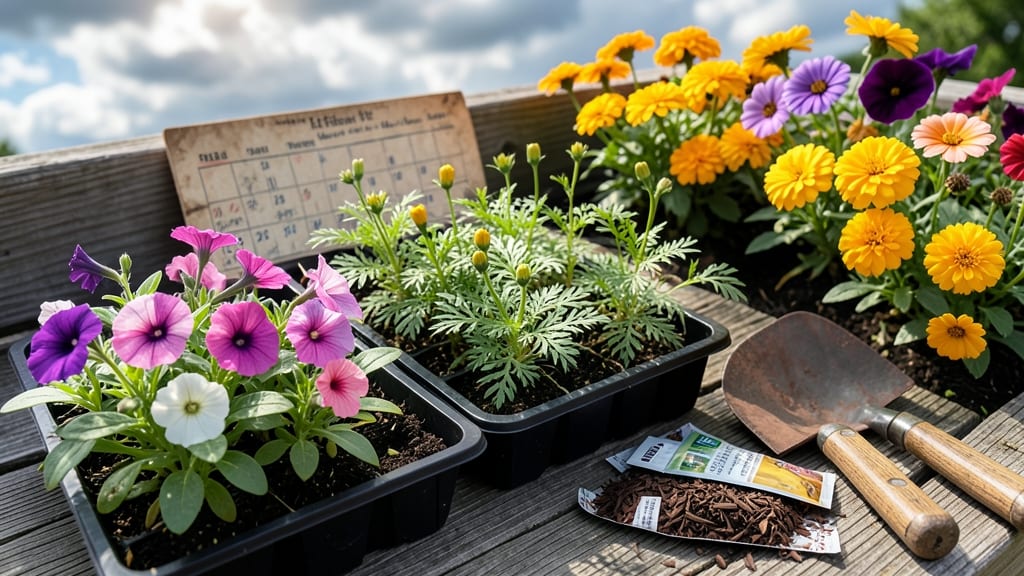
Timing your annuals planting in Virginia wrong could mean the difference between a vibrant garden and a sad pile of frost-killed seedlings. With the state's varied climate zones—from coastal warmth to mountain chill—the exact window matters more than you might think.
I've spent years watching Virginia gardens transform when annuals like marigolds and zinnias get planted at the right moment. The key isn't just waiting for spring—it's understanding your specific microclimate and how it affects frost dates.
Whether you're in the Piedmont or Tidewater region, knowing these precise start dates will help you avoid common mistakes that waste time and money.
This guide breaks down Virginia's planting zones with data from Virginia Cooperative Extension, so you'll know exactly when to plant both heat-loving and cool-season annuals. We'll cover everything from soil preparation tips to adjustments for container gardening in urban areas, giving you the confidence to start your garden right.
Ready to turn your garden dreams into reality? Let's dive into the science-backed timing that will give your annuals the best possible start—no more guessing, just thriving plants from day one.
Virginia’s annual planting zones: exact start dates by microclimate
Virginia’s USDA zones 5b-8a create dramatic planting differences between coastal Hampton Roads and the Shenandoah Valley. I’ve distilled frost-free date data from Virginia Cooperative Extension to give you precise windows for cool-season vs. warm-season annuals across five key regions.
Your location determines everything: Coastal gardeners can start marigolds in March, while mountain growers wait until May. The Piedmont’s moderate climate offers the sweet spot for extended bloom seasons with proper timing.
🌱
| Region | USDA Zone | Avg Last Frost | Cool-Season Start | Warm-Season Start |
|---|---|---|---|---|
| Coastal (Norfolk) | 8a | Feb 28 | March 15 | April 15 |
| Piedmont (Richmond) | 7b | April 1 | March 20 | May 1 |
| Blue Ridge (Roanoke) | 6b | April 15 | April 1 | May 15 |
| Valley (Blacksburg) | 6a | April 20 | April 10 | May 20 |
| Tidewater (Virginia Beach) | 8a | March 1 | February 28 | April 1 |
📋 Note: Adjust 1-2 weeks earlier for microclimates (e.g., south-facing slopes) or container gardens (warmer soil).
For cool-season annuals like pansies and lettuce, I recommend planting 4-6 weeks before your region’s last frost date. These hardy plants can handle light frosts and even snow cover—just avoid planting when soil temps drop below 40°F.
Warm-season annuals such as tomatoes and zinnias demand soil temperatures above 60°F. Use a soil thermometer to verify—cool soil stunts growth. In Zone 5b, wait until May 15 for heat-lovers, while Zone 8a gardeners can plant marigolds in March.
My pro tip: Use row covers to extend cool-season planting by 2-3 weeks in colder zones. For warm-season plants, black plastic mulch warms soil 5-10°F faster than bare earth.
🌿
Don’t overlook container gardening advantages—pots warm up 2-3 weeks earlier than ground soil. Fill containers with heat-absorbing materials like cocoa coir or black fabric to jumpstart warm-season annuals in Zone 6b and cooler.
For extended blooms, I stagger plantings: First batch in early spring (for spring ephemerals like sweet peas), second batch in late spring (for summer performers like zinnias), and third batch in early summer (for fall-blooming cosmos).
🌻
How to adjust planting times for Virginia’s unpredictable spring weather
Virginia’s spring weather can be as unpredictable as a whirlwind, with late frosts lingering into May while soil temperatures lag behind. I’ve learned the hard way—planting too early can mean frost-burned seedlings, while waiting too long sacrifices your summer blooms.
The key is flexibility, using tools and techniques to outsmart Mother Nature.
First, embrace the '7-day rule': Never transplant seedlings until nighttime temperatures stay above 50°F (10°C) for at least 7 consecutive days. This buffer accounts for those sneaky late frosts that can still hit in USDA Zone 7a (common in Piedmont) as late as April 15th.
Use the Virginia Cooperative Extension’s Frost Forecast or local weather apps like PlantMap for real-time alerts.
⚠️ Late Frost Warning
If frost is predicted within 48 hours, cover tender seedlings with frost cloth or row covers. Avoid plastic sheets—they trap too much moisture and can smother plants. For extra protection, use cloche tunnels over your most vulnerable cool-season annuals like pansies or snapdragons.
Soil temperature is another critical factor. Use a soil thermometer to confirm it’s reached 60°F (15°C) before planting warm-season annuals like marigolds or zinnias. In Zone 5b (Blue Ridge Mountains), this might not happen until mid-May, while Zone 8a (Tidewater) could be ready by March 15th.
Pro tip: Mix black plastic mulch into your beds a week before planting—it warms soil 5–10°F faster than bare earth.
For extended-season gardening, choose heat-tolerant annuals that thrive in Virginia’s 90°F+ summers. My top picks include celosia (which blooms until first frost), portulaca (drought-resistant and heat-loving), and four o’clocks (evening bloomers that handle humidity).
These varieties give you 30–50 extra days of color compared to finicky impatiens, which wilt by July in Piedmont heat.
If you’re in a cooler microclimate like the Blue Ridge, try successive planting: Start a second batch of cosmos or sunflowers in early June after the last frost risk has passed. This ensures continuous blooms through October, even if your first planting gets heat-stressed in August.
Finally, don’t underestimate container gardening for flexibility. Pots warm up faster in spring and can be moved to sheltered spots if frost threatens. Fill containers with heat-absorbing materials like cocoa coir or black fabric-lined pots to give your annuals a head start.
Just remember: Containers dry out 3x faster than in-ground beds, so check moisture daily during Virginia’s humid summers.