
Plants
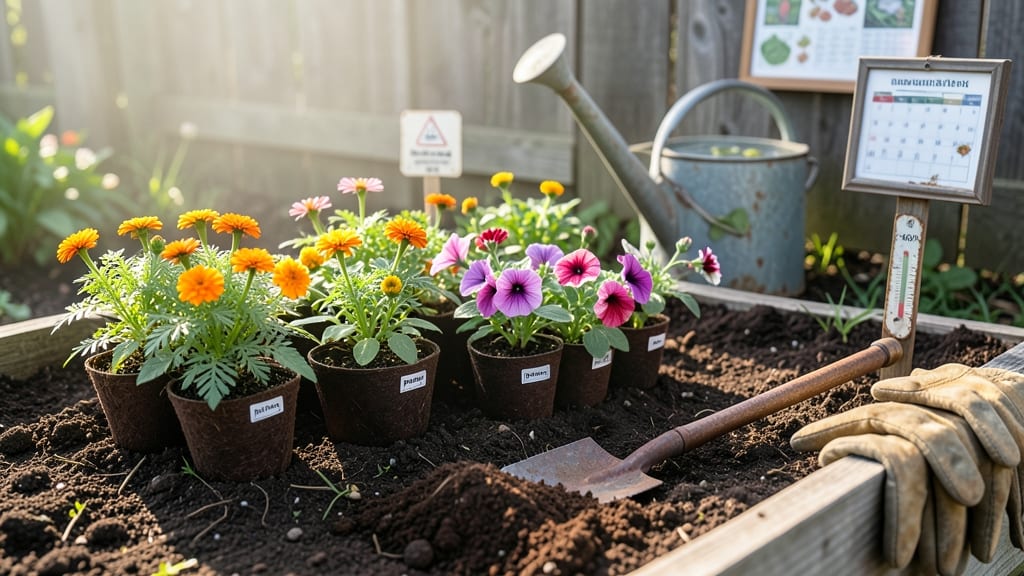
Timing your annuals planting in Zone 5 can mean the difference between a garden bursting with vibrant blooms and one that fizzles before it even begins.
With frost dates looming like a silent deadline, getting those seeds in the ground at just the right moment is the key to unlocking a season of color and harvests.
I’ve watched too many gardeners rush spring planting only to see tender 🌸 annuals wilt under unexpected frost. The solution? A strategic approach that aligns with your local last frost date—typically mid-April in Zone 5—but also accounts for soil warmth and microclimates that can shift planting windows by weeks.
Let’s break down exactly when to plant for maximum success.
Cool-season annuals like lettuce and pansies can handle early starts, while heat-lovers like basil and marigolds need to wait until after the last frost. But here’s the secret: even in Zone 5, you can stretch your growing season with smart techniques like succession planting and row covers.
Ready to turn your garden into a year-round showstopper?
In this guide, you’ll discover precise planting windows, soil temperature tips, and how to adjust for your specific microclimate. Whether you’re a first-time gardener or a seasoned pro, these insights will help you plant with confidence—and enjoy the rewards all season long.

Zone 5 frost dates and exact weeks before last frost for annual planting
Understanding your Zone 5 frost dates is the foundation of successful annual planting.
The average last frost date in Zone 5 typically falls between April 15 and May 1, but this varies by microclimate—northern Illinois might see frost until May 10, while upstate New York could warm up by April 20.
These dates determine your planting windows for cool-season and heat-loving annuals.
For cool-season annuals like pansies or lettuce, aim to plant 4-6 weeks before your last frost date. This gives seedlings time to establish roots before warm weather arrives.
In contrast, heat-loving annuals such as basil or marigolds should wait until 2-3 weeks after the last frost, when soil temperatures consistently stay above 50°F (10°C).
Here’s how to adjust for your specific location: Check your local agricultural extension service for precise frost data. For example, Chicago (Zone 5b) has a last frost around April 22, while Syracuse, NY (Zone 5a) typically warms up by May 1.
Use these dates to calculate your planting timeline—a simple spreadsheet or garden planner can help track deadlines.
Microclimates—like south-facing slopes or urban heat islands—can shift frost dates by 1-2 weeks. Observe your garden’s behavior for 3 years to refine your schedule. For instance, a protected microclimate (e.g., near a brick wall) might allow earlier planting of cold-hardy annuals like snapdragons.
Pro tip: Use frost-free degree days (a measure of heat accumulation) to fine-tune timing. Most annuals need 150-200 frost-free days to mature, so count backward from your first frost date (usually October 15 in Zone 5) to determine late-summer planting windows for fall blooms.
🌱
| Region | Avg Last Frost | Cool-Season Planting Window | Heat-Lover Planting Window | First Frost |
|---|---|---|---|---|
| Northern IL (Chicago) | April 22 | March 20 - April 15 | May 10 - June 1 | October 20 |
| Upstate NY (Syracuse) | May 1 | April 1 - April 25 | May 15 - May 30 | October 10 |
| Pennsylvania (State College) | April 28 | March 25 - April 20 | May 5 - May 20 | October 15 |
| Southern WI (Madison) | April 18 | March 25 - April 10 | May 5 - May 25 | October 18 |
Now that you’ve got your frost dates locked in, let’s dive into soil temperature—another critical factor. Most annuals thrive when soil is at least 50°F (10°C), but heat-lovers like tomatoes need 60°F (16°C) or warmer.
Use a soil thermometer to confirm readiness, especially in cool, wet springs that delay warming.
For succession planting, plan to sow cool-season crops every 2 weeks from March until your last frost date. This ensures a continuous harvest of lettuce, spinach, or radishes.
Meanwhile, heat-lovers like zinnias can be direct-sown in late May for summer-long blooms—just be ready to protect them from late-season frosts with row covers if needed.
Remember: Local weather patterns can override averages. If your area experienced an early frost in 2023, adjust your 2024 schedule accordingly. Keep a garden journal to track anomalies—this data becomes priceless over time for predicting microclimate shifts.
Finally, don’t overlook fall planting! Many annuals, like cosmos or calendula, can be sown 60 days before your first frost (late July to early August in Zone 5) for
Best annual flowers and vegetables for Zone 5 planting schedules
Choosing the right annuals for Zone 5 means selecting varieties that thrive in your 150-day frost-free window.
Some plants, like pansies and lettuce, can handle early spring starts, while others, such as basil and marigolds, need to wait until after your last frost date—typically mid-April in most of Zone 5.
I’ve tested these top performers in my own garden, and they consistently deliver vibrant blooms and bountiful harvests.
For cool-season annuals, plant 4-6 weeks before your last frost date (usually late March to early April). These hardy varieties can tolerate light frosts and even bloom in cooler weather.
In contrast, heat-loving annuals should go in the ground 2-3 weeks after your last frost (mid-May to early June) to avoid stunted growth from chilly soil.
Here are my top picks for Zone 5 annuals, organized by planting window and type:
Cool-season flowers & veggies
- Pansies – Thrives in 40-60°F soil, blooms until frost
- Sweet Alyssum – Drought-tolerant, attracts pollinators
- Spinach – Harvest in 30-50 days, bolt-resistant varieties
- Lettuce – Choose butterhead or romaine for heat tolerance
Heat-loving flowers & veggies
- Marigolds – Pest-repellent, full sun required
- Basil – Needs 6+ hours of sun, harvest leaves regularly
- Zinnias – Drought-resistant, attracts butterflies
- Tomatoes – Plant after soil warms to 60°F, stake for support
Extended-season blooms & harvests
- Cosmos – Self-seeds easily, thrives in heat
- Kale – Sweeter after frost, harvest outer leaves
- Sunflowers – Fast-growing, 2-3 months to bloom
- Nasturtiums – Edible flowers, pest-deterrent
Don’t miss these don’t-miss annuals for Zone 5: Calendula (edible petals, pest control), Swiss Chard (cut-and-come-again harvests), and Dianthus (fragrant blooms that tolerate light frost). Pro tip: use row covers to extend the season for heat-lovers like peppers or eggplants by 2-3 weeks.
For succession planting, sow fast-growing annuals like radishes or bush beans every 2 weeks after your last frost. This ensures a continuous harvest and minimizes wasted space.
My favorite trick? Plant basil near tomatoes—the basil’s scent repels pests, while the tomatoes provide shade for the basil’s delicate leaves on hot afternoons.
🌿