
Plants
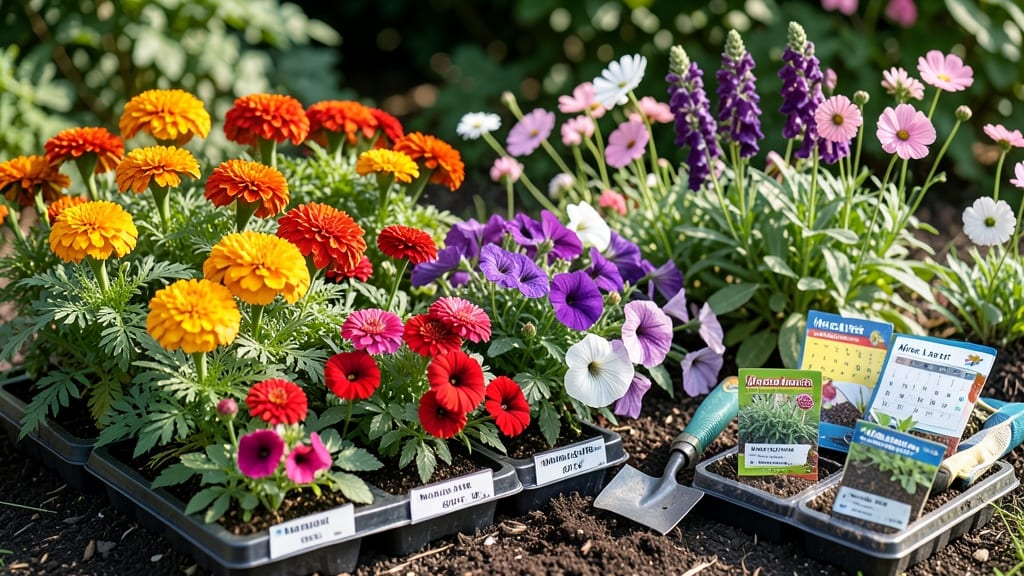
If you’ve ever watched your annuals 🌱 wilt overnight after a surprise frost—or missed peak blooms because you planted too late—you know timing is everything in Connecticut’s unpredictable climate.
The key to zero-fail annuals isn’t guessing; it’s planting 4-6 weeks before your last frost date, depending on whether you’re growing heat-lovers like petunias or cool-tolerant pansies.
With CT’s USDA Zones 5b-6b, even a 2-week difference can mean the difference between a thriving garden and a sad, frost-nipped disappointment.
I’ll break down the exact weeks to plant for Hartford, New Haven, and coastal areas—plus pro tips to extend your season without risking frost. Whether you’re starting seeds indoors or direct-sowing, you’ll learn how to align your planting with Connecticut’s quirky weather patterns for vibrant blooms all summer long.
Ready to skip the guesswork? Let’s dive into the game-changer schedule that’ll have your annuals flourishing when (and where) they’re supposed to.
Connecticut’s last frost dates by region: exact weeks before planting annuals
Connecticut’s last frost dates vary dramatically—from late April in coastal areas to mid-May inland—so timing your annual plantings requires precision. I’ll break down the exact weeks before last frost to plant heat-loving vs. cool-tolerant varieties, plus how to adjust for USDA Zones 5b-6a across the state.
For Hartford and central CT (Zone 5b-6a), the average last frost falls between May 10-15, but microclimates near rivers or hills can delay frost by 1-2 weeks.
Coastal areas like New Haven and Stamford typically see last frost by May 1-5, while inland Litchfield County may wait until May 20.
Here’s the critical rule: Plant heat-loving annuals (petunias, geraniums, marigolds) 2-3 weeks after your region’s last frost, while cool-season annuals (pansies, snapdragons, sweet alyssum) can handle light frost and should go in 1-2 weeks before.
🌱Pro Tip: Use the CT Agricultural Experiment Station’s frost data (updated annually) to fine-tune your schedule—last year’s frost dates aren’t always this year’s! For example, 2023’s late April frost caught many gardeners off guard.
| Region | Avg Last Frost | Weeks Before Planting (Heat-Lovers) | Weeks Before Planting (Cool-Tolerant) | USDA Zone |
|---|---|---|---|---|
| New Haven/Stamford (Coastal) | May 1-5 | 2-3 weeks after | 1-2 weeks before | 6a |
| Hartford/Bridgeport | May 10-15 | 2-3 weeks after | 1-2 weeks before | 5b-6a |
| Litchfield/Northern CT | May 20-25 | 3 weeks after | 2 weeks before | 5b |
If you’re starting seeds indoors, begin 6-8 weeks before your region’s last frost. For example, Hartford gardeners should sow petunia seeds indoors by March 15, while coastal CT can wait until March 25.
Use a heat mat to speed germination—many annuals like begonias and impatiens need warm soil to sprout.
🌿Warning: Don’t rely on calendar dates alone! Check the National Weather Service’s CT forecast for overnight lows—even after last frost, late-May dips below 32°F can damage tender seedlings. I’ve lost entire geranium flats to these surprise frosts.
For fall planting, aim to sow cool-season annuals (like pansies) 8-10 weeks before your first frost date (typically October 10-20 in CT).
This gives them time to establish roots before winter sets in. Marigolds and zinnias can even handle light frost, so you can plant them as late as September 15 in most of the state.
💡Local Resource: The UConn Home & Garden Education Center offers a free frost date calculator tailored to your ZIP code—bookmark it! Their data accounts for urban heat islands (like Hartford) that can delay frost by up to 5 days compared to rural areas.
Finally, adjust for elevated beds or south-facing walls, which warm up faster. I’ve successfully planted tender annuals 1-2 weeks earlier in my raised beds near a brick wall—just monitor soil temps with a thermometer (ideal: 60°F+ for most annuals).
Top 10 annuals for Connecticut gardens: best planting times and care tips
Connecticut’s short but vibrant growing season means choosing the right annuals is key. I’ve tested these top 10 performers in my Zone 5b-6a garden—each thrives with proper timing and care. Whether you’re a busy gardener or a seasoned pro, these picks guarantee bold blooms from May to frost.
For cool-season lovers, like pansies and snapdragons, I plant 4-6 weeks before last frost (mid-April in most of CT). Heat-loving marigolds and cosmos wait until 2-3 weeks after—typically late May. This timing ensures zero frost damage while maximizing bloom time.
🌱 PRO TIP: Use mulch to retain soil warmth for late-spring plantings like zinnias and petunias. A 2-inch layer of straw mulch can add 2-3°F warmth to the soil, giving delicate seedlings a head start.