
Trees
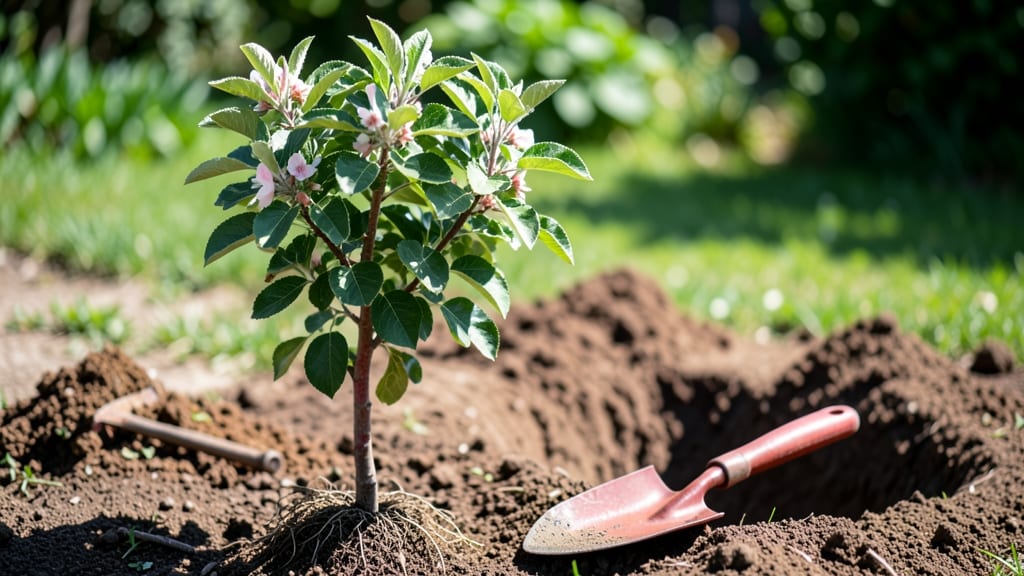
Timing is everything when it comes to planting apple trees in Alabama—get it wrong, and you might be waiting years for that first sweet harvest.
Alabama's warm climate and Zones 7A-8B demand a different approach than cooler regions, where late winter or early spring planting is key to survival and fruit production.
Most gardeners assume spring is the only window, but in Alabama, late winter (February-March) offers cooler soil and reduced stress for young roots.
This is especially critical for 🍎 varieties that need 300-1,000 chill hours—a mismatch here can mean no fruit, no matter how well you care for the tree afterward.
What if you're in North Alabama versus the Gulf Coast? The answer isn't one-size-fits-all. We'll break down exactly how to match your location, soil type, and apple variety for maximum success—because even the hardiest trees need the right start.
Ready to plant with confidence? I'll walk you through the step-by-step process, from selecting chill-hardy cultivars to post-planting care that keeps your tree thriving through Alabama's heat and humidity. Let's get those roots in the ground the right way.
Best planting months for Alabama apple trees by chill-hour requirements
Alabama’s USDA Zones 7A-8B create unique challenges for apple tree growers. Unlike northern climates, Alabama’s warmer winters mean most commercial apple varieties won’t produce fruit. The key? Matching chill-hour requirements (300-1,000+ hours below 45°F) to your specific zone and variety.
In Zone 7A (north Alabama), you’ll find slightly cooler winters with 500-800 chill hours annually, while Zone 8B (south Alabama) typically sees 300-500 chill hours. Planting outside these windows risks poor fruit set or no harvest at all.
For bare-root trees, the best window is November through February—before buds swell. Container-grown trees offer more flexibility but still thrive when planted in late winter or early spring (February-March).
Here’s how Alabama’s climate zones break down for optimal planting:
| Zone | Chill Hours | Best Planting Month | Recommended Varieties |
|---|---|---|---|
| 7A (North AL) | 500-800 | November-February | Anna, Dorsett Golden, Ein Shemer |
| 8A (Central AL) | 300-500 | December-February | Anna, Ein Shemer, Akane |
| 8B (South AL) | 200-300 | January-February | Anna, Ein Shemer, Lady Alice |
*Varieties with <300 chill hours may still struggle in Zone 8B
If you plant in Zone 8B, avoid varieties like Gala or Fuji, which need 800+ chill hours. Instead, opt for low-chill varieties like Anna (200-300 hours) or Ein Shemer (300-400 hours). These thrive in Alabama’s heat while still producing sweet, reliable fruit.
Pro tip: Check your exact chill hours using a home weather station or Alabama Extension’s chill-hour maps. Some microclimates (like hilltops) may have 100+ extra chill hours compared to nearby valleys.
Timing matters just as much as variety. Planting too early (October) risks root rot from Alabama’s warm, wet soils. Planting too late (April) may stress trees as they enter active growth without established roots.
For container-grown trees, February-March is ideal—roots establish before summer heat arrives. Always water deeply after planting to reduce transplant shock in Alabama’s high humidity.
Remember: Even with perfect timing, pollenizers are crucial. Plant at least two compatible varieties for cross-pollination and fruit set. For example, pair Anna with Ein Shemer for reliable yields.
Best planting months for Alabama apple trees by chill-hour requirements
Alabama’s Zones 7A-8B create a unique challenge for apple trees—too much heat without enough chill hours can leave you with a tree full of leaves but no fruit.
The key is planting during late winter to early spring (February-March), when soil temperatures are cool enough for root establishment but before buds break. This window works for both bare-root and container-grown trees, though container-grown can stretch into April if needed.
Why February-March? Alabama’s last frost dates vary from early March in the north to late February near the Gulf Coast. Planting before buds swell ensures your tree focuses on root growth rather than leaf production, setting the stage for future fruiting.
For high-chill varieties (600+ hours), like 'Fuji' or 'Gala,' this timing is non-negotiable—plant too late, and you risk winter dieback.
Here’s the breakdown of your planting window by chill-hour needs and Alabama region:
If you’re in Zone 8B, skip high-chill varieties—they’ll struggle to fruit. Instead, opt for low-chill cultivars like 'Anna' or 'Ein Shemer,' which thrive with Alabama’s 300-500 chill hours.
For Zone 7A, you have more flexibility, but always plant before March 15 to avoid late frosts damaging new growth.
Pro tip: Test your microclimate! North-facing slopes or shaded areas can add 50-100 extra chill hours, making them ideal for medium-chill varieties in warmer parts of the state. Use a chill-hour calculator (like the one from Alabama A&M Extension) to confirm your site’s suitability.
Once planted, prioritize deep watering (15-20 gallons per tree) and mulching with 3-4 inches of organic matter to retain moisture and regulate soil temperature. This keeps roots happy during Alabama’s hot, humid summers and mild winters.