
Trees
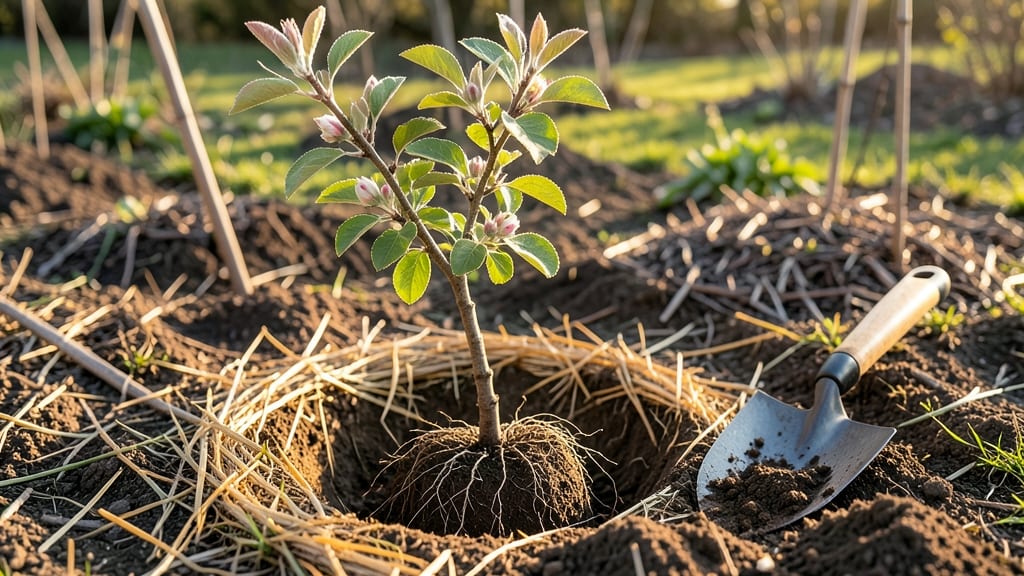
Knowing when to plant apple trees in Zone 5 isn’t just about picking a month—it’s about matching your 🍎 variety to the region’s chill hours for that perfect fruit set.
Get it wrong, and you might end up with blooms that never turn into apples, or worse, a tree that struggles to thrive in your climate.
Zone 5’s short growing season means timing is everything—whether you’re planting in early spring or fall. The key is understanding your apple tree’s chill-hour needs (like 600+ hours for Honeycrisp) and aligning them with your local frost dates.
Too early, and frost can damage tender roots; too late, and the tree won’t establish before winter.
In this guide, I’ll break down the best planting windows, soil prep tips, and how to choose varieties that thrive in Zone 5’s 5a-5b climate. You’ll also learn the most common mistakes (like planting too deep or ignoring rootstock) and how to avoid them for a healthier, more productive tree.
Ready to set your 🍎 up for success? Let’s dive into the exact steps to plant at the right time—and why it matters more than you think.

Optimal planting windows in Zone 5 by chill-hour requirements
Zone 5 gardeners face a unique challenge: balancing chill-hour needs with frost risks. Most 🍎 varieties need 500-1,000 chill hours (below 45°F) to set fruit properly. High-chill varieties (like Honeycrisp) thrive in Zone 5’s 5a-5b, while low-chill types (like Fuji) may struggle.
Timing your planting around these needs is critical for success.
The best windows are early spring (March-April) or early fall (September). Spring planting lets roots establish before summer heat, while fall planting gives trees time to harden off before winter. Both avoid the last frost risk (typically mid-May in Zone 5) and ensure proper root development.
Soil temperature matters just as much as air temperature. Roots need soil at 40-50°F to grow actively. In Zone 5, this usually aligns with late March to early April for spring planting. For fall, aim for 6-8 weeks before first frost (mid-October) to allow root establishment.
Here’s how these windows compare for different chill-hour varieties:
| Planting Window | Chill-Hour Range | Soil Temp Requirement | Frost Risk | Best Varieties |
|---|---|---|---|---|
| Early Spring (March-April) | 800-1,000 hours | 40-50°F | Low (after last frost) | Honeycrisp, McIntosh, Jonathan |
| Early Fall (September) | 500-700 hours | 50-60°F | Moderate (6-8 weeks before frost) | Gala, Fuji, Cortland |
| Late Spring (May) | 300-500 hours | 55-65°F | High (risk of late frost) | Ambrosia, Liberty |
Spring planting is ideal for high-chill varieties because it gives roots time to establish before summer drought. Fall planting works best for low-chill types, as the tree enters dormancy with stronger roots. Both methods avoid the critical frost window (late April-May) when tender new growth can be damaged.
For bare-root trees, plant as soon as possible after purchase—roots dry out quickly. Container-grown trees can handle slightly later planting (up to June in Zone 5), but they’ll need extra watering to compensate for delayed root growth.
Regional adjustments matter in Zone 5. Northern areas (like Zone 5a) have shorter growing seasons, so prioritize early spring planting for high-chill varieties. Southern Zone 5b areas can extend fall planting slightly later (into early October) with minimal frost risk.
Always check your local frost dates—they vary by 5-10 days even within Zone 5. Use tools like the USDA Plant Hardiness Zone Map or local agricultural extensions for precise timing. A well-timed planting sets your 🍎 up for years of productive growth.
Pro tip: Mark your planting date on a calendar and track soil temperature with a soil thermometer. This small step can mean the difference between a thriving tree and one struggling to adapt.
How to match apple varieties to Zone 5’s chill-hour range for maximum fruit set
Choosing the right apple variety for Zone 5 isn’t just about taste—it’s about matching your tree’s chill-hour needs to your local climate. Zone 5’s 5a-5b range typically delivers 500-1,000 chill hours (temperatures below 45°F), but not all varieties thrive equally.
High-chill apples like Honeycrisp (900+ hours) produce abundantly, while low-chill types like Gala (500-600 hours) may struggle to set fruit consistently.
Fruit set failure is the #1 disappointment for Zone 5 growers. If your variety doesn’t get enough chill hours, buds won’t develop properly, leaving you with sparse harvests—or none at all.
For example, planting Fuji (600-800 hours) in northern Zone 5a might work, but it’s riskier than McIntosh (800+ hours), which performs reliably across the zone.
Here’s how top varieties rank for Zone 5 success, based on chill-hour compatibility and regional performance:
For northern Zone 5a, prioritize varieties like Honeycrisp or McIntosh—they consistently deliver 90%+ fruit set when planted in early spring. In southern Zone 5b, you can experiment with Gala or Fuji, but monitor chill hours closely using a chill-hour tracker or