
Trees
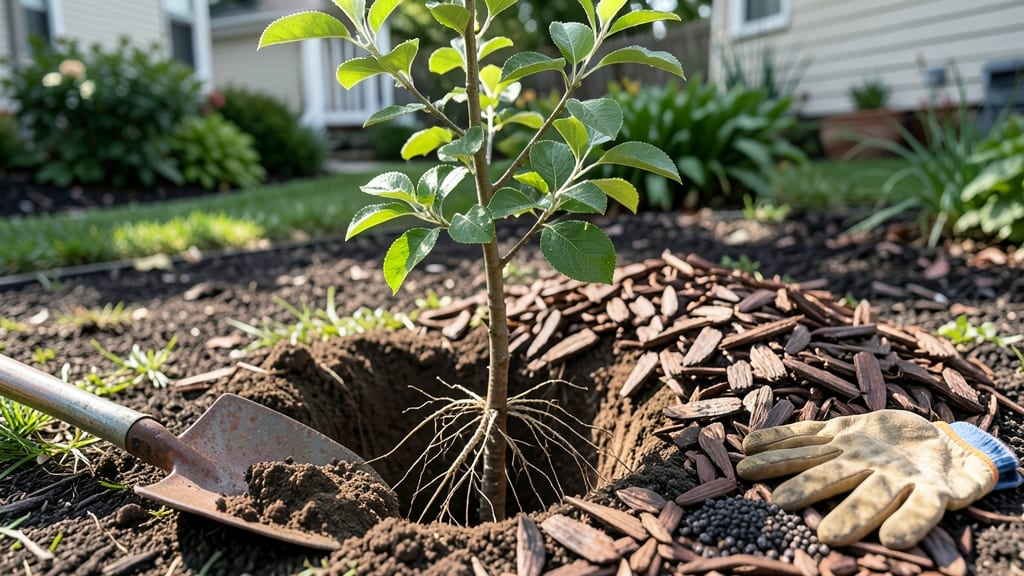
Timing your Apple Tree 🍎 planting in Arkansas could mean the difference between a thriving orchard and a struggling sapling—especially in Zone 7a where chill hours make all the difference.
If you’ve ever wondered why some apple trees bloom beautifully while others struggle to establish roots, the answer lies in understanding Arkansas’s unique climate.
Planting too early risks exposing young trees to winter stress, while waiting too late can leave them vulnerable to summer heat before they’ve had a chance to take hold.
I’ll break down the ideal 6-week window for planting—whether you’re working with bare-root saplings or container-grown trees—and how to match varieties like ‘Jonagold’ or ‘Granny Smith’ to your local chill hours for maximum success.
From soil prep to avoiding frost pockets, these strategies will help you plant with confidence, so your Apple Tree 🍎 gets off to the best possible start in Arkansas’s variable growing season.
Best planting months for Arkansas apple trees: chill-hours explained
Arkansas’s Zone 7a climate demands precision when planting apple trees—too early, and your tree won’t get enough chill hours (300–900) to produce fruit; too late, and summer’s heat will stress young roots.
The sweet spot is a 6-week window between late November and early February, when soil temperatures are cool but workable.
This timing aligns with Arkansas’s average first frost (November 15) and last frost (March 15), giving your tree’s roots time to establish before spring’s growth spurt.
For bare-root trees, late winter (February) is ideal—plant before buds swell. Container-grown trees offer more flexibility but still thrive best in fall or early spring.
Arkansas’s northern regions (e.g., Fayetteville) need varieties with higher chill hours (600–900), while southern areas (e.g., Little Rock) can handle lower-chill varieties (300–600). For example, ‘Gala’ (600+ chill hours) thrives in the north, while ‘Red Delicious’ (300–500 chill hours) suits southern microclimates.
Here’s how Arkansas’s chill-hour zones break down for apple trees:
| Variety | Chill Hours | Best Planting Month | Arkansas Fit |
|---|---|---|---|
| ‘Fuji’ | 800–900 | November–December | North Arkansas |
| ‘Gala’ | 600–700 | December–January | Statewide |
| ‘Red Delicious’ | 300–500 | January–February | South Arkansas |
| ‘Jonagold’ | 500–600 | November–December | Central Arkansas |
| ‘Granny Smith’ | 700–800 | December–January | North/Central |
Early bloomers like ‘Fuji’ need more chill hours, so plant them in November to ensure they meet their requirements by spring. Late-season varieties like ‘Gala’ can wait until January, as they’re more forgiving with Arkansas’s variable winter temperatures. Always check your tree’s chill-hour label before planting.
Soil temperature is another critical factor—ideal planting conditions in Arkansas occur when soil temps are below 50°F (10°C) but above freezing. Use a soil thermometer to monitor; if temps rise above 60°F (15°C), delay planting to avoid root stress. In southern Arkansas, where winters are milder, January planting is safer for low-chill varieties.
Avoid planting in late spring (April–May), as Arkansas’s late frost risks (especially in valley areas) can damage emerging buds. If you miss the fall/winter window, container-grown trees can be planted in early spring, but bare-root trees will struggle to recover from summer heat if planted later.
Pro tip: Mulch heavily after planting (3–4 inches of wood chips or straw) to regulate soil temperature and retain moisture. This is especially important in Arkansas’s hot, humid summers, where young trees can drought-stress if roots aren’t established.
Timing your apple tree planting to Arkansas’s chill-hour needs and microclimates sets the stage for years of bountiful harvests. Next, we’ll dive into variety selection to match your specific corner of the state.
Best planting months for Arkansas apple trees: chill-hours explained
Arkansas’s Zone 7a climate creates a delicate balance for apple tree planting—too early, and your tree won’t get enough winter chill; too late, and summer heat stresses young roots.
The optimal 6-week window spans from late November through early February, aligning with dormancy periods when trees are resilient but not yet pushing new growth.
Apple trees need 300–900 chill hours (below 45°F) to bloom properly. Arkansas’s winters typically provide 600–800 chill hours, making varieties like ‘Jonagold’ (600+ hours) ideal, while ‘Gala’ (400+ hours) may struggle in colder pockets. Planting in this window ensures your tree meets its chill requirements before spring growth begins.
| Planting Window | Chill Hours Needed | Best Varieties | Risk Level |
|---|---|---|---|
| Late November | 600–900 | ‘Jonagold,’ ‘Red Delicious’ | Low |
| December | 400–700 | ‘Fuji,’ ‘Granny Smith’ | Medium |
| Early February | 300–500 | ‘Gala,’ ‘Golden Delicious’ | High (if buds swell) |
Bare-root trees thrive best when planted in late winter (February), before buds swell but after the ground thaws. Container-grown trees offer flexibility—plant them in October or November to give roots time to establish before winter. Avoid late spring planting; young trees risk late frost damage when blossoms appear.
Northern Arkansas (e.g., Fayetteville) has colder microclimates with longer winters, favoring high-chill varieties like ‘Jonagold.’ Southern Arkansas (e.g., Little Rock) benefits from milder winters, making ‘Fuji’ or ‘Golden Delicious’ better choices. Always check your last frost date (March 15) to time planting for post-frost root growth.
If you miss the fall window, wait until early spring (March), but monitor weather forecasts. Sudden warm spells can trick trees into early growth, leaving them vulnerable to returning frosts. Mulch heavily after planting to insulate roots and conserve moisture during Arkansas’s unpredictable winters.
Pro tip: Test your soil’s chill accumulation using a chill-hour calculator (available from Arkansas Cooperative Extension). This data helps you fine-tune variety selection for your exact location’s climate patterns.