
Trees
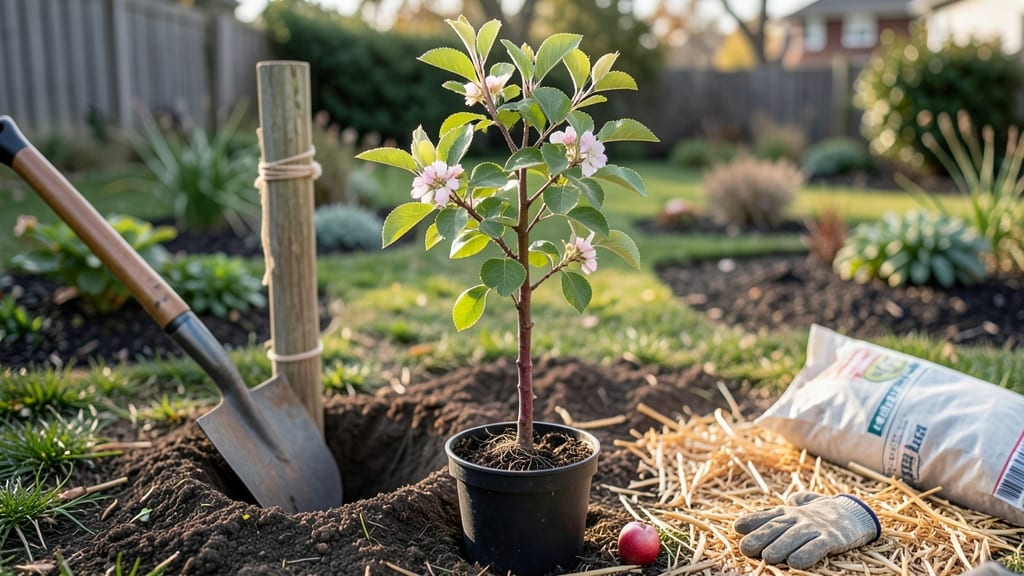
Planting an apple tree 🍎 in New Jersey isn’t just about digging a hole—it’s about timing it perfectly to beat frost and give your tree the best shot at thriving. The wrong window, and you’ll either risk frost damage or miss the ideal dormant season for root growth.
But get it right, and you’re setting up years of homegrown fruit with minimal fuss.
For New Jersey gardeners in zones 6a-7b, the sweet spot is late winter to early spring—typically between February and April. This aligns with the tree’s natural dormancy period, when it’s tough enough to handle cooler temps but hasn’t yet burst into growth.
Think of it as giving your 🍎 apple tree a head start before the soil warms up.
Why does this matter? Because planting too early means frost can still nip young roots, while waiting too long delays root establishment before summer heat hits.
I’ll break down the exact months that work best for your hardiness zone, plus soil prep tips to ensure your tree takes hold like a pro.
Ready to turn your backyard into an orchard? Let’s dive into the game-changer details—so you can plant with confidence and enjoy that first harvest in just a few years.
Best planting months for apple trees in New Jersey’s hardiness zones
New Jersey’s USDA hardiness zones 5b through 7a create a unique window for planting apple trees. The key is planting during the tree’s dormant season—when it’s cold but not frozen—so roots can establish before spring growth.
For most of NJ, this means late winter to early spring, but timing varies slightly by zone and microclimate.
In Zone 5b (northern NJ), where winters are colder, you’ll want to plant bare-root trees in February or early March before the ground thaws completely. In Zone 7a (southern NJ), you have a bit more flexibility, with March through early April being ideal.
The goal is to plant 4-6 weeks before your last frost date—typically around April 15 in most of NJ.
Soil temperature is critical. Apple tree roots need 40-50°F soil to start growing. In NJ, this usually happens in late February to early March, making that the perfect window. Planting too early risks frost damage to tender roots, while planting too late delays root establishment before summer heat arrives.
Here’s how NJ’s hardiness zones break down for apple tree planting:
If you miss the spring window, fall planting is possible in NJ—but only in Zone 7a (southern NJ). Plant in October or early November, giving roots time to establish before winter dormancy.
However, this is riskier due to earlier frosts in northern NJ, so spring planting is preferred for most gardeners.
For container-grown apple trees (potted), you have slightly more flexibility. These can be planted throughout the growing season (April through June), but they’ll need consistent watering to prevent root stress. Just avoid planting when soil is waterlogged or during extreme heat waves.
Pro tip: Check your last frost date for your specific NJ county. The Rutgers NJAES website offers a frost date calculator tailored to your location. Planting 2-4 weeks before this date gives roots the best chance to establish before summer heat arrives.
Remember, apple trees are a long-term investment. A properly planted tree in NJ can live for 50+ years and produce fruit for decades. Taking the time to plant at the right moment ensures your tree starts strong and resists common NJ pests like apple scab and codling moths.
🌱
Best planting months for apple trees in New Jersey’s hardiness zones
New Jersey’s hardiness zones 6a-7b create a unique window for planting apple trees 🍎—one that balances frost risk with ideal root growth. The key is planting during the tree’s dormant season, when it’s tough enough to survive cold snaps but hasn’t yet woken up for spring growth.
For most of NJ, this means focusing on late winter to early spring, with March and April being the golden months.
Why? Because soil temperatures in NJ typically hit 40-50°F by March, signaling roots to start growing without the threat of hard frost. Planting too early (like January) risks exposing young roots to late-winter freezes, while waiting until May delays root establishment just as summer heat arrives.
Timing is everything—and NJ’s microclimates make it even more critical.
Here’s the breakdown by zone: Northern NJ (zones 6a-6b) has a slightly earlier window than Southern NJ (zone 7a). Even within these zones, elevation and proximity to water bodies can shift the ideal window by 1-2 weeks.
For example, Bergen County might be ready by late February, while Cape May could wait until early April without risking frost damage.
| Zone | Ideal Planting Month | Soil Temp | Frost Risk |
|---|---|---|---|
| 6a (North NJ) | Late February - Early March | 40-45°F | High (last frost: mid-April) |
| 6b (Central NJ) | March - Early April | 45-50°F | Moderate (last frost: late March) |
| 7a (South NJ) | Early April - Mid-April | 50-55°F | Low (last frost: early April) |
🌱 Pro Tip: Check your local last frost date (typically April 15 in NJ) and plant 4-6 weeks before it.
If you’re planting bare-root apple trees (the most common type sold in NJ nurseries), aim for dormant season planting—this means late winter when trees are still asleep but soil is workable. For container-grown trees, you have a bit more flexibility, but March remains ideal for root establishment.
One mistake I see often? Gardeners waiting until May—by then, summer heat stresses young roots before they’ve had time to spread.
Another critical factor is soil temperature. Use a soil thermometer to confirm temps are above 40°F before planting. Cold soil slows root growth, and in NJ’s clay-heavy soils, this can delay establishment by weeks.
If your soil runs cold, consider planting in a slightly elevated bed or adding compost to warm it faster. I’ve seen this trick add 10-14 days of growth in chilly springs.
For those in urban NJ areas (like Newark or Jersey City), heat islands can push planting windows 1-2 weeks later due to warmer microclimates. Conversely, coastal regions (like Cape May) may need to plant earlier to avoid salt spray damage.
Always check with your local Cooperative Extension office for hyper-local advice—it’s the difference between a thriving tree and a sad sapling.
Remember: The goal is to give your apple tree roots 6-8 weeks of growing time before summer dormancy kicks in. Plant in the right window, and you’ll see stronger growth next spring—plus, fewer pests and diseases thanks to a well-established root system.
Now that you’ve got the timing down, let’s talk soil prep and post-planting care to keep your tree on track for that first harvest. 🍏