
Trees
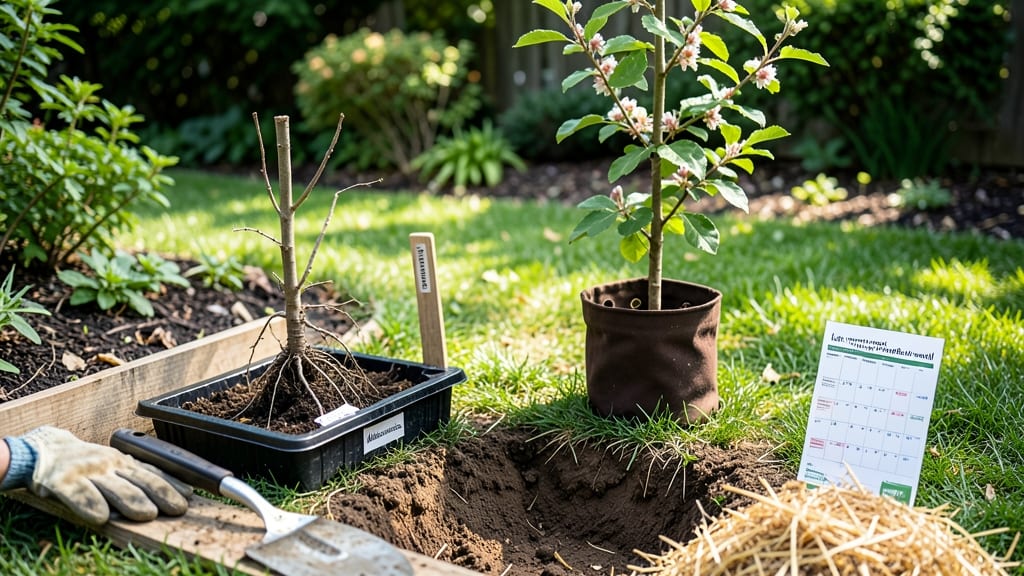
Timing your Apple Tree 🍎 planting in Indiana could mean the difference between a thriving orchard and years of frustration—especially when you factor in 5b-6b chill-hour needs and unpredictable frost dates.
Plant too early, and winter’s bite might damage tender roots; too late, and your tree struggles to establish before summer heat arrives.
Most Indiana gardeners swear by late winter to early spring planting, but there’s more to it than just picking a month. Bare-root trees need the ground to thaw enough for digging, while container-grown varieties offer a slightly longer window—if you play it smart.
I’ll break down the exact frost-free deadlines and chill-hour requirements for your favorite varieties, so you never guess again.
What if you missed the ideal window? Don’t panic—we’ll cover how to adjust for Indiana’s unpredictable spring thaws and whether fall planting is a viable backup. Plus, I’ll share the top 3 varieties that thrive in your zone and how to prep your soil for maximum root growth.
Ready to plant with confidence? Let’s dive into the step-by-step schedule that’ll have your Apple Tree 🍎 bearing fruit in no time—without the common mistakes that waste years of effort.
Best planting months in Indiana: chill-hours & frost-free deadlines by Zone
Indiana’s USDA Zones 5b-6b mean your apple tree 🍎 needs careful timing—too early, and winter’s chill can damage roots; too late, and summer heat stresses young plants. The ideal window is late winter to early spring, but container-grown trees offer a slight fall backup.
Let’s break down the exact months and chill-hour requirements for your zone.
Most Indiana gardeners aim for March or early April to plant bare-root trees, once soil thaws but before buds swell. Container-grown trees can go in late April to early May, giving roots time to establish before summer.
For fall planting, aim for September to early October, ensuring 6-8 weeks before the first frost.
Your chill-hour needs (500–900+ hours) dictate variety choice—more on that later. But first, know Indiana’s average last frost date: April 15 in the north, May 1 in the south. Planting too late risks stunted growth before winter dormancy.
Pro Tip: Check your local frost-free deadline using the Indiana State Climate Office or plant 2-3 weeks before their average to be safe. Unpredictable spring thaws? We’ll cover adjustments later.
If you’re in Northern Indiana (Zone 5b), prioritize early spring planting—your shorter growing season demands faster root establishment. Southern Indiana (Zone 6b) gardeners have a slightly longer window but must still avoid late plantings that stress trees before winter.
Ever wondered why some trees thrive while others struggle? It’s often about chill-hour matching. For example, Honeycrisp needs 800+ chill hours, while McIntosh gets by with 500–600 hours.
We’ll dive into variety-specific timing in the next section—but first, let’s tackle the biggest mistake Indiana gardeners make when planting.
Missed the spring window? Don’t panic—fall planting can work if you act fast. Just ensure your tree gets 6–8 weeks of root growth before frost.
Mulch heavily to protect roots, and water deeply before the ground freezes. Pro Tip: Use a tree collar to mark planting depth and avoid burying the graft.
Ready to pick the perfect variety for your Indiana yard? Next, we’ll rank the top apple trees for your zone, including their exact chill-hour needs and whether they prefer spring or fall planting. Stay tuned! 🌱
Top apple tree varieties for Indiana & their perfect planting timing
Indiana’s USDA Zones 5b-6b mean not all apple varieties thrive equally—some need 800+ chill hours, while others adapt to 500 hours. Choosing the right variety for your yard isn’t just about taste; it’s about matching chill-hour needs and planting timing.
Let’s explore the top 5 varieties for Indiana, ranked by cold hardiness and ideal planting window.
For Northern Indiana (Zone 5b), prioritize varieties like McIntosh or Cortland, which handle 500–600 chill hours and thrive with early spring planting. In Southern Indiana (Zone 6b)Honeycrisp or Jonathan shine with their 800+ chill hours, but require precise timing to avoid winter stress.
If you’re in Northern Indiana, McIntosh is your best bet—it’s cold-hardy and thrives with early spring planting.
Meanwhile, Honeycrisp lovers in Southern Indiana should plant in March to ensure roots establish before summer heat arrives. Pro Tip: Always check your variety’s chill-hour needs against Indiana’s 500–900+ hour range.
Wondering how to prep your soil for these varieties? The ideal pH of 6.0–6.5 and well-draining soil are non-negotiable. Add compost and a balanced fertilizer (10-10-10) at planting to give roots a head start. Mulch heavily (3–4 inches) to retain moisture and regulate soil temperature.
Next, we’ll cover the critical mistakes Indiana gardeners make when planting apple trees—and how to avoid them. From ignoring soil pH to planting too late, these errors can derail even the best-laid plans. Stay tuned! 🌿