
Trees
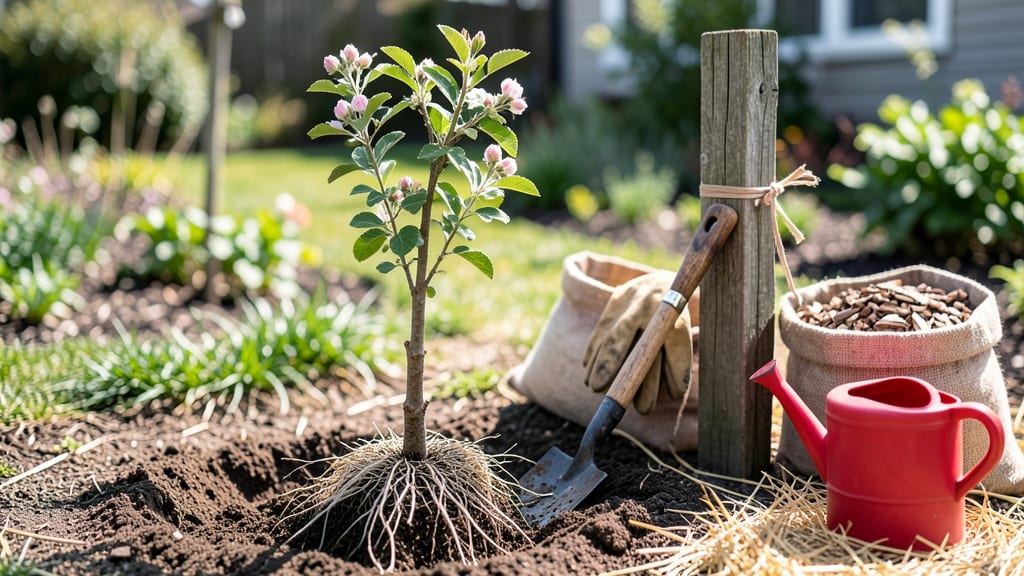
Timing your 🍎 apple tree planting in Maine isn’t just about the calendar—it’s about matching your variety to the state’s 5b-6a chill hours and avoiding those sneaky late frosts that can derail your dream orchard.
With winters that test even the hardiest trees and summers that reward patience with sweet harvests, getting it right means the difference between a thriving tree and a sad, frozen sapling.
Most Maine gardeners swear by planting in late April to early June, once the soil warms and the last frost has passed (usually mid-May). But here’s the catch: bare-root trees need to go in the ground while dormant, while container-grown saplings give you a little more flexibility.
And if you’re eyeing fall planting? That’s a gamble unless you’re in Southern Maine with milder winters.
What separates successful plantings from failures? It’s not just the date—it’s the chill-hour requirements of your chosen variety. A Honeycrisp needs 800+ hours of cold, while a McIntosh gets by with 500-600. Get this wrong, and your tree might bloom but never fruit.
Let me walk you through how to pick the perfect match for your microclimate and lock in a harvest that’ll last you decades.
From soil prep to frost-proofing, I’ll cover the Maine-specific tricks that’ll give your apple tree the fighting chance it needs against our unpredictable weather. Ready to plant with confidence? Let’s get started.
Best planting months for apple trees in Maine’s Zone 5-6 climate
Maine’s Zone 5-6 climate demands precision when planting apple trees—timing can mean the difference between a thriving orchard and a failed investment. The ideal window is late April through early June, but this varies slightly based on whether you’re planting bare-root or container-grown trees.
In Southern Maine, where last frosts typically hit by mid-May, you can start as early as late April. Northern regions like Zone 5b should wait until early May to avoid frost damage to tender roots.
Bare-root trees, which are dormant and easier to plant, can also be installed in early spring (March) as long as the ground isn’t frozen. This gives roots time to establish before buds swell.
Container-grown trees, however, offer more flexibility—they can be planted through early summer (June), though late plantings may delay fruiting by a season or two. The key is ensuring the soil temperature stays above 45°F (7°C) for at least a week before planting.
Here’s the critical rule: Never plant apple trees when the ground is frozen or when late frosts are still a risk. Young roots are highly sensitive to cold snaps, and even a single 28°F (-2°C) night can stunt growth or kill tender shoots.
Check your local USDA frost maps or consult the Maine State Climate Office for region-specific dates.
For early varieties like McIntosh or Cortland, planting in late April ensures they’ll have enough time to establish roots before winter. Late varieties such as Honeycrisp or Gala can tolerate a slightly later start, but aim to plant by early June to avoid stress.
If you miss this window, your best bet is to plant container-grown trees in September, giving them time to root before Maine’s first frost in mid-October.
Another pro tip: If you’re planting in Southern Maine (Zone 6a), you might get away with a slightly later start—even early July for container-grown trees. But in Northern Maine (Zone 5b), stick to the April-May window to give young trees the best chance to harden off before winter.
🌱
| Planting Method | Best Months | Soil Temp Threshold | Key Consideration |
|---|---|---|---|
| Bare-Root Trees | Late March–Early May | Above 40°F (4°C) | Dormant roots establish faster |
| Container-Grown Trees | Late April–Early June | Above 45°F (7°C) | Flexible timing; avoid drought stress |
| Fall Planting (Container) | September | Above 50°F (10°C) | Roots establish before frost |
Once you’ve chosen your planting window, soil preparation is just as critical. Maine’s soils are often acidic (pH 4.5–5.5), but apple trees thrive in slightly acidic to neutral soil (pH 6.0–6.5).
Before planting, amend your soil with lime or composted manure to hit that sweet spot. A simple soil test from the University of Maine Cooperative Extension can save you guesswork.
After planting, mulch heavily with straw or wood chips to retain moisture and protect roots from temperature swings. In Maine’s Zone 5-6, winter mulch can mean the difference between a tree that heaves out of the ground and one that survives to fruit for decades.
Water deeply once a week for the first two months, then taper off as the tree establishes.
If you’re planting in Southern Maine, where summers are slightly warmer, you might push the envelope with a July planting for container-grown trees—but be prepared to water rigorously and monitor for stress.
In Northern Maine, however, stick to the April-May window to avoid the 100-day growing season cutoff before winter.
🌳
Critical pre-planting checks to maximize survival in Maine’s harsh winters
Maine’s freezing winters and variable frost dates demand extra preparation before planting apple trees. Young roots are especially vulnerable to soil heaving and desiccation when temperatures fluctuate between freezing and thawing.
To give your tree the best start, focus on three key areas: soil pH, frost protection, and root zone insulation.
First, test your soil’s pH level—apple trees thrive in slightly acidic soil (6.0–6.5). Maine’s native soils often lean toward acidic or neutral, so you may need to amend with lime (for pH >6.5) or sulfur (for pH <6.0).
Use a simple home test kit or send a sample to the University of Maine Soil Testing Lab for precise results.
Maine’s freeze-thaw cycles can lift roots out of the soil, exposing them to cold air. To prevent this, plant trees 2–3 inches deeper than their container level. This extra depth creates a buffer zone that stabilizes roots during winter.
✅ DO: Mulch heavily (4–6 inches) with straw or wood chips after planting.
❌ DON’T: Use fresh sawdust or clay-heavy mulch, which can suffocate roots.
Next, research your local frost dates. Southern Maine (e.g., Portland) typically sees its last spring frost around May 10–15, while Northern Maine (e.g., Bangor) can experience frost until May 25–June 1.
Planting too early risks frost damage to tender new growth, while waiting too long may delay root establishment. For bare-root trees, aim for late April to early May—just as buds begin to swell but before leaves emerge.
Finally, prepare for winter by mulching deeply and wrapping the trunk. Apply a 4–6 inch layer of organic mulch (like straw or shredded leaves) around the base of the tree, extending it 2–3 feet outward.
This insulates roots and retains moisture. For young trees, wrap the trunk with tree guard or burlap to protect against rodent damage and sun scald in winter.
Don’t overlook drainage, either. Apple trees hate soggy roots, so ensure your planting site has well-draining soil. If your yard is prone to waterlogging, consider planting on a slight slope or amending the soil with compost and sand to improve aeration.
A French drain around the perimeter can also help in wet areas.
By tackling these pre-planting checks—soil pH, frost timing, and winter protectionbest chance to thrive despite Maine’s challenging climate. With the right preparation, your tree will establish strong roots and reward you with decades of harvests.