
Plants
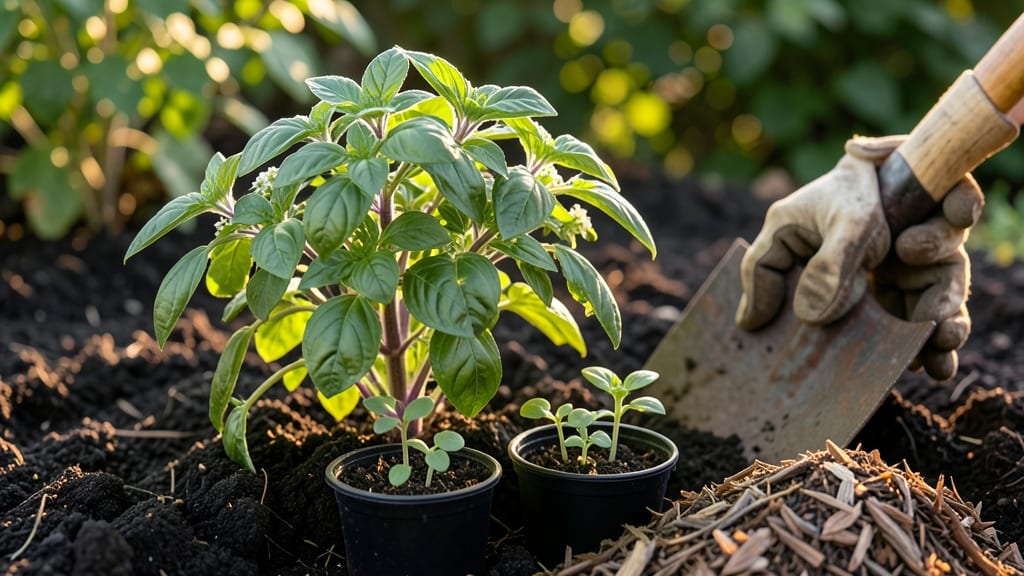
Timing basil planting in Maryland is the secret to avoiding bitter leaves and bolting plants—because even a week too early can send your 🌿 straight to seed before you get a single harvest.
If you’ve ever watched your basil turn woody or flower too soon, you know how frustrating it can be. The good news? Maryland’s USDA Zone 7b gives you a clear window to work with—April 15 to May 15—when soil warms enough to prevent stunted growth.
But there’s more to it than just dates.
I’ll show you exactly how to align your planting with Maryland’s frost dates, whether to start seeds indoors for an earlier jumpstart, and how to stretch your harvest from June through October. No more guessing—just flavorful basil all season.
Let’s dive into the 3 key steps to get your basil off to the right start, so you’re not left with sad, bolted plants by summer.
Optimal Maryland basil planting dates to avoid bolting and maximize growth
Timing is everything when growing basil in Maryland. Since Maryland falls under USDA Zone 7b, you’ll need to align your planting with the last frost date—typically around April 1—while also accounting for basil’s 60-90 day growth cycle.
Plant too early, and your basil will bolt (flower prematurely); too late, and you’ll miss the harvest window before fall’s first frost (November 15).
The sweet spot for Maryland basil planting is between mid-April and mid-May, after the soil warms to at least 50°F. This window ensures your basil has enough time to mature before Maryland’s unpredictable summer heat or early fall frosts cut the season short.
For gardeners in coastal areas, like Annapolis, you might push planting to late April, while inland regions like Frederick may need to start by mid-April.
Here’s the key: Basil hates cold soil. If you plant before the last frost, the chilly temperatures will stunt growth, making your plants vulnerable to disease. Always check the Maryland State Climate Office for your local last frost date—it can vary by 1-2 weeks across the state.
Pro tip: Use a soil thermometer to confirm the ground has warmed up before sowing.
For direct sowing (planting seeds outdoors), aim for April 15 to May 1. If you’re transplanting seedlings, extend the window to May 1 to May 15. Seedlings are more resilient to temperature fluctuations, giving you a slightly longer window to get them in the ground.
Just remember: Basil grows fast, so don’t wait too long or you’ll risk a shorter harvest season.
| Planting Method | Best Time | Soil Temp | Notes |
|---|---|---|---|
| Direct Sowing | April 15 - May 1 | ≥50°F | Slower start; needs warmth |
| Transplant Seedlings | May 1 - May 15 | ≥55°F | Faster growth; more resilient |
| Indoor Start | March 1 - March 15 | Room temp | Transplant after last frost |
| Late Season | August 15 | N/A | Use containers; bring indoors |
If you’re eager to get a head start, indoor sowing in early March works well. Start seeds on a sunny windowsill or under grow lights, and transplant them outdoors after the last frost.
This method gives you a 2-3 week advantage over direct sowing, extending your harvest window. Just be sure to harden off seedlings for 7-10 days before moving them outside to prevent shock.
Maryland’s summer heat can also stress basil, causing it to bolt prematurely. To combat this, choose shade-tolerant varieties like Thai basil or provide afternoon shade during peak heat (July-August).
Mulching with straw or wood chips helps regulate soil temperature and retain moisture, which is critical during Maryland’s hot, humid summers.
For gardeners in northern Maryland (Zone 7a), like those in Baltimore County, err on the side of earlier planting (mid-April). Southern regions, such as Calvert County (Zone 7b), can afford to plant until May 10 without risking a shortened season.
Always monitor your local weather forecasts—a late frost can still sneak in, especially in elevated areas.
One common mistake is assuming basil can handle Maryland’s spring chill. It can’t. Cold soil and temperatures below 50°F will slow growth, making plants prone to damping off (a fungal disease). To avoid this, use black plastic mulch or row covers to warm the soil faster.
If you’re in doubt, wait an extra week—your basil will thank you with bigger, more flavorful leaves.
Finally, remember that basil’s growth cycle is short. If you plant after June 1, you’ll likely miss the harvest before the first frost. But don’t let that discourage you!
With succession planting (more on that in the next section), you can stretch your basil harvest well into October—even in Maryland’s cooler climate.
Optimal Maryland basil planting dates to avoid bolting and maximize growth
Maryland’s USDA Zone 7b climate means your basil planting window is tight—just 60-90 days to grow before Maryland’s first frost on November 15. Start too early, and cold snaps trigger bolting (flowering).
Plant too late, and your harvest shrinks before summer ends. The key? Align with your last frost date, which typically lands around April 1 in most of Maryland.
For direct sowing outdoors, wait until mid-April when soil temperatures hit 50°F+. If you prefer transplants, start seeds indoors 6-8 weeks before your last frost—around February 15—so they’re ready to move outside by late April.
This timing ensures your basil reaches maturity before Maryland’s summer heat peaks in July and August.
| Planting Method | Best Time | Soil Temp | Harvest Window |
| Direct Sow | Mid-April (after last frost) | 50°F+ | June-October |
| Transplant | Late April (after frost) | 55°F+ | June-September |
| Indoor Start | February 15 (6-8 weeks before last frost) | 65°F+ | May-October |
Maryland’s coastal vs. inland differences matter too. Inland areas like Frederick or Hagerstown can plant 1-2 weeks earlier than coastal spots like Annapolis or Ocean City, where cooler maritime air lingers. Check your local Cooperative Extension Service for precise frost data—this small adjustment prevents bolting and extends your harvest.
Pro tip: Use black plastic mulch to warm soil faster in early spring. This lets you plant 1 week earlier than bare soil, giving your basil a head start. Pair it with a cold frame for late-season protection, and you’ll squeeze extra harvests into Maryland’s short growing season.
Remember, basil thrives on consistent warmth. If nighttime temps dip below 50°F, even after planting, cover your seedlings with frost cloth. This shields them from Maryland’s unpredictable spring and keeps your basil lush and productive until the first frost.
Timing isn’t just about dates—it’s about reading your microclimate. Observe your garden’s sun exposure, soil warmth, and past frost patterns. With these adjustments, you’ll avoid the common Maryland basil pitfalls and enjoy fresh, homegrown leaves from June through October. 🌿