
Plants
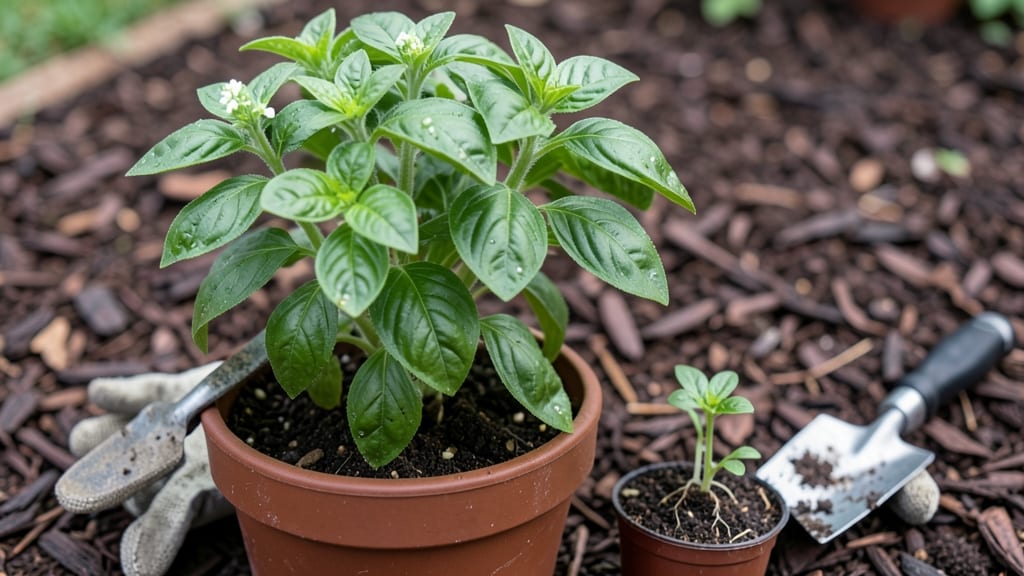
Timing your basil planting in Oregon isn’t just about avoiding frost—it’s about catching that sweet spot between 50°F soil and 70°F air to prevent bolting and maximize flavor.
With Oregon’s Zone 8a-9a climate, waiting until after the last frost (typically mid-April in Portland) is non-negotiable, but coastal gardeners have a 2-week head start compared to inland areas.
The key? Start seeds indoors 4-6 weeks before your last frost date to give tender basil a fighting chance against Oregon’s unpredictable spring weather.
Whether you’re in the Willamette Valley or Southern Oregon, transplanting too early risks frost damage, while waiting too long means your plants might bolt before you’ve harvested a single leaf.
I’ve learned the hard way that Oregon’s microclimates demand flexibility—coastal areas can plant as early as April 15, while inland zones should wait until May 1 or later. The goal is simple: give your 🌿 basil enough warmth to thrive without rushing it into heat stress.
In this guide, I’ll break down the exact planting windows, indoor-starting tricks, and how to adjust for your specific corner of Oregon—so you can enjoy fresh basil from June through September without the stress. Let’s get those seeds in the ground the right way.
Oregon’s frost-free planting windows for basil (by microclimate)
Oregon’s USDA Zones 8-9 offer a long growing season for basil, but timing is critical to avoid frost damage or premature bolting. The last frost date varies dramatically—Portland averages March 15, while Southern Oregon can wait until April 1.
Coastal areas like Astoria may face delays until April 15 due to marine influence.
Basil seeds won’t germinate until soil reaches 70°F+, which typically happens by mid-April in most regions. For direct sowing, aim for April 15–May 1 after the last frost. In colder microclimates (e.g., Eastern Oregon), push this to May 1–June 1 to ensure safety.
For indoor starts, begin seeds 4–6 weeks before your area’s last frost date. This gives seedlings a head start and allows for transplanting after Memorial Day, when soil temperatures are consistently warm. Use a heat mat if starting early to accelerate germination.
Oregon’s first frost arrives earlier in high elevations (e.g., September 15 in the Cascades) than in valleys (October 15 in Willamette Valley). Plan to harvest before September 1 in cooler zones or use season-extending tools to delay bolting.
Microclimates matter! Urban heat islands (like Portland’s downtown) may warm 2–3°F faster than rural areas, allowing earlier planting. Coastal gardens stay cooler—wait until May 1 to avoid chilly nighttime temps that stress seedlings.
🌱 Oregon Basil Planting Timeline by Microclimate
| Region | Last Frost Date | Safe Direct Sow | Indoor Start Window | First Frost Risk |
|---|---|---|---|---|
| Portland (Zone 8b) | March 15 | April 15–May 1 | February 15–March 1 | October 15 |
| Southern Oregon (Zone 9a) | April 1 | April 15–May 15 | March 1–March 15 | November 1 |
| Coastal (Astoria, Zone 8a) | April 15 | May 1–June 1 | March 15–April 1 | September 30 |
| High Desert (Bend, Zone 7a) | May 1 | June 1–July 1 | April 15–May 1 | September 15 |
💡 Pro Tip: Use Oregon State University’s frost maps for hyper-local adjustments. Check soil temp with a thermometer—basil needs 50°F+ for roots to establish.
If you miss the spring window, don’t despair! Basil thrives in late summer too. For a second crop, sow seeds in July 1–August 1 (after July 4 weekend heat waves). This fall planting avoids bolting by leveraging Oregon’s long daylight in September.
Urban gardeners with limited space can use container gardening to control microclimates. Place pots near south-facing walls or use black plastic mulch to warm soil 5–10°F faster than surrounding areas. This extends the planting window by 2–3 weeks in cooler zones.
Always monitor weather forecasts for late frosts. The National Weather Service provides 10-day outlooks—use these to time your transplanting or cover seedlings with frost cloth if nights dip below 40°F. A little preparation saves your basil harvest from tragedy!
How to extend basil’s growing season in Oregon (avoid bolting)
Oregon’s cool nights and unpredictable heat waves can send basil into a panic—triggering early bolting (flowering) and bitter leaves. The key is to extend the growing window using smart techniques tailored to Oregon’s Zone 8/9 climate.
Here’s how to keep your basil thriving from May through October without risking those dreaded flower spikes.
First, choose heat-tolerant varieties like Thai basil or Genovese, which handle Oregon’s summer heat waves better than standard sweet basil. Pair them with succession planting—sow new seeds every 2–3 weeks after your initial planting to ensure a continuous harvest.
This works especially well in Portland’s urban gardens where space is limited but microclimates vary.
🌱
For coastal Oregon gardeners, where summers are milder, focus on succession planting and light pruning to encourage bushier growth. In inland areas like Bend, prioritize shade cloth during peak afternoon sun (1–4 PM) to prevent heat stress.
And don’t forget: harvest regularly—this alone can delay bolting by up to 4 weeks.
Even with these tricks, late-summer heatwaves (like those in July–August) can still stress basil. If you see yellowing leaves or flower stalks, it’s time to harvest aggressively or replace the plant. With the right approach, you’ll enjoy fresh basil from June through October—no bolting in sight!
☀️