
Companion Plants
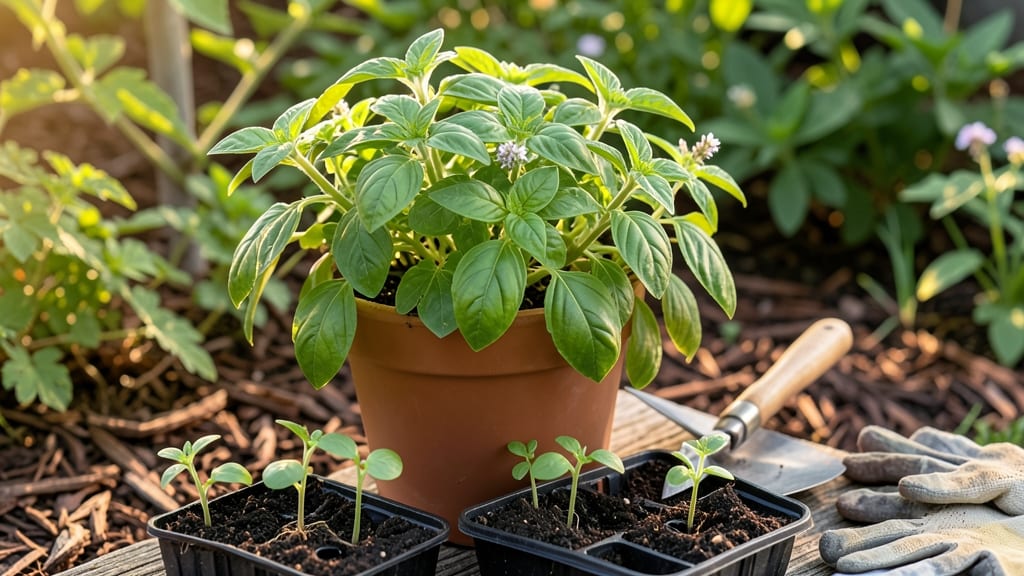
Timing your basil planting just right in Pennsylvania could mean the difference between a thriving herb garden and a sad, frost-nipped failure. With USDA Zone 6a bringing unpredictable springs, knowing when to plant 🌿 basil outdoors is the key to sweet, flavorful harvests from June to September.
Most gardeners in Pennsylvania wait until after the last frost—typically late April to early May—but that’s just the starting point. The real secret lies in soil temperature and microclimates, where a city garden might be ready weeks before a rural plot.
Let’s break down the exact steps to get your basil off to the best start.
Whether you’re starting seeds indoors for an earlier jumpstart or planting directly in the ground, understanding these critical timing cues will help you avoid common mistakes.
We’ll cover when to transplant, how to protect young plants from late frosts, and the ideal conditions for healthy growth once the warm weather arrives.
Ready to grow basil that’s bursting with flavor? By the end of this guide, you’ll know exactly when to plant in your specific corner of Pennsylvania—and how to keep those leaves thriving all summer long.
Pennsylvania’s basil planting zones: exact dates by USDA hardiness Zone
Pennsylvania spans USDA hardiness zones 5a through 7a, meaning frost dates vary dramatically from the Poconos (Zone 5a) to southeastern PA (Zone 7a). Planting basil too early in colder zones risks frost damage, while waiting too long in warmer areas shortens the harvest window.
Let’s break down the ideal planting windows for each zone.
In Zone 5a (northwest PA), where last frosts average May 10–20, wait until after Memorial Day to plant basil outdoors. Zone 6a (central PA), covering Pittsburgh and Harrisburg, has last frosts around April 25–May 10, allowing late April to early May plantings.
Southern PA’s Zone 7a (Philadelphia, Reading) can start as early as mid-April.
Microclimates matter! Urban areas like Philadelphia often warm up faster than rural Lancaster County, so adjust by 2–4 weeks based on your local frost history. Always check soil temperature—basil thrives when it’s above 50°F.
🌱 PRO TIP: Use a soil thermometer to confirm warmth before planting. Cold soil slows germination and weakens seedlings.
| USDA Zone | Last Frost Avg. | Safe Planting Window | Microclimate Adjustment |
|---|---|---|---|
| 5a (Poconos, NE PA) | May 10–20 | Late May–early June | Wait 1–2 weeks longer in valleys |
| 6a (Pittsburgh, Harrisburg) | April 25–May 10 | Late April–early May | Urban areas: plant 1 week earlier |
| 7a (Philadelphia, Reading) | April 10–20 | Mid-April–late April | Coastal areas: plant 10–14 days earlier |
For container gardening, you can push planting dates 1–2 weeks earlier since pots warm up faster. Place containers in south-facing spots to maximize heat absorption. If you’re unsure about your zone, use the Almanac’s Frost Calculator (link in resources) for your exact location.
Basil planted in Zone 6a (central PA) by May 1 typically yields harvests by mid-June, while Zone 7a plantings can start producing as early as late May. The key is balancing frost risk with soil warmth—neither should be compromised.
If your area has late spring frosts (common in Zone 5aindoors 4–6 weeks before your last frost date. Use grow lights to prevent leggy seedlings, then harden off plants for 7–10 days before transplanting.
Remember: Basil hates cold feet. Even a single night below 50°F can stunt growth. Mulch with straw or shredded leaves to insulate roots and retain moisture during PA’s unpredictable springs.
For maximum productivity, aim to have basil established by late May in most of PA. This gives you a 3–4 month harvest window before fall frosts hit in October. Early plantings also reduce competition from weeds and pests.
🌿 REMEMBER: Basil is annual, so timing matters—get it right, and you’ll enjoy fresh leaves from June through September!
How to extend basil’s growing season in PA’s unpredictable spring
Pennsylvania’s unpredictable springs can leave basil seedlings vulnerable to late frosts, even after the official last frost date. The key to success? Extending the growing season with smart strategies like starting indoors, choosing cold-hardy varieties, or using protective covers.
These methods help you beat frost risks and ensure your basil thrives from early summer to fall.
If you’re eager to harvest sweet basil leaves by June, starting seeds indoors 4–6 weeks before your last frost date gives your plants a head start. This approach lets you transplant hardier seedlings into the garden once soil temperatures hit 50°F or warmer.
For gardeners in USDA Zone 5a, this might mean sowing seeds by mid-March, while those in Zone 7a can wait until late March.
Cold-tolerant basil varieties like ‘Genovese’ or ‘Sweet Basil’ are your best bet for early planting. These types handle cooler temperatures better than standard varieties, reducing the risk of frost damage. Pair them with row covers or cloches to shield young plants from unexpected chilly nights—even after the last frost, temperatures can dip below 40°F.
- 📅 Start seeds indoors 4–6 weeks before last frost (March–April). Use grow lights to prevent leggy seedlings.
- 🌡️ Wait for soil warmth: Basil needs soil at 50°F+. Test with a soil thermometer—cold soil stunts growth.
- 🛡️ Use row covers or cloches for 2–3 weeks after transplanting. Remove during the day for pollination.
- 🌿 Choose cold-hardy varieties like ‘Genovese’ or ‘Sweet Basil’. Avoid ‘Thai’ or ‘Lemon’ types—they’re frost-sensitive.
Transplanting basil seedlings requires patience and precision. Harden off your indoor-grown plants by gradually exposing them to outdoor conditions over 7–10 days before transplanting. Choose a cloudy day to minimize stress, and plant in the late afternoon when temperatures are cooler.
Water deeply after transplanting to help roots establish in the well-draining soil—this is critical for preventing transplant shock.
For gardeners in urban areas, microclimates can create warmer pockets where basil thrives earlier. South-facing walls, paved surfaces, or even containers absorb heat, creating micro-environments that may be 2–3 weeks ahead of rural zones.
Monitor these spots closely and plant accordingly—just because your neighbor’s garden is ready doesn’t mean yours is!
Finally, mulching your basil plants with straw or shredded leaves helps regulate soil temperature, keeping roots warm during cool nights. This simple step can extend the harvest season by 2–4 weeks, giving you fresh basil well into early October before the first frost hits.
With these strategies, you’ll turn PA’s unpredictable spring into a basil-growing advantage.