
Plants
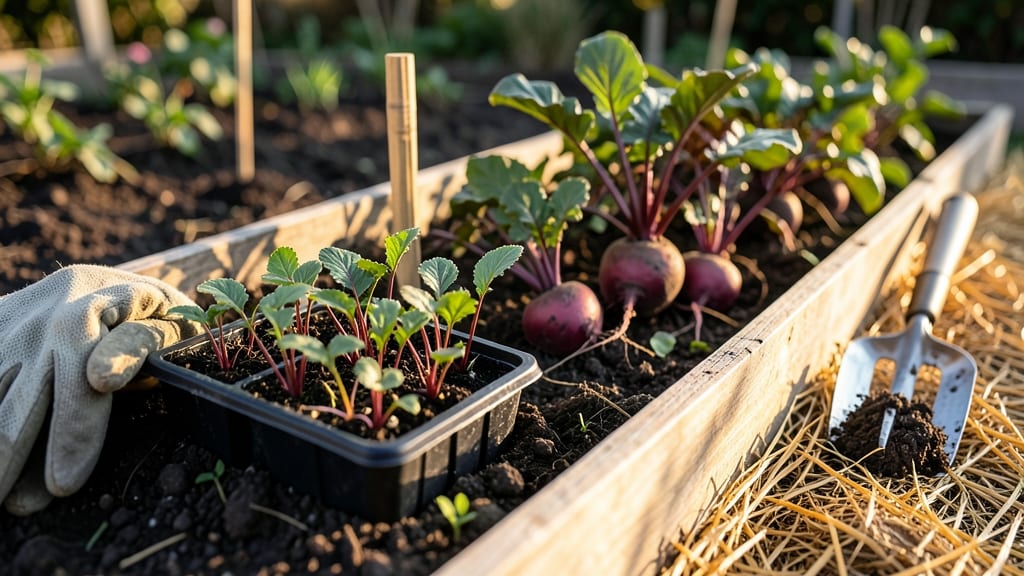
Planting beets in Arkansas at the wrong time can turn your sweet harvest into bitter disappointment—especially when those 🍠 roots bolt before you even taste them.
The key to juicy, tender beets lies in understanding Arkansas’s unique climate zones, where February-March and August-September plantings thrive while summer heat sends them running.
I’ve grown beets in 7a-8b zones for years, and the difference between a perfect crop and a failed one comes down to one simple rule: plant when soil temps stay cool, and avoid the scorching mid-summer months.
Let me show you exactly when to start seeds, how to adjust for Arkansas’s microclimates, and why a fall harvest often beats spring.
Whether you’re a first-time gardener or a seasoned green thumb, these timing tricks will help you skip the guesswork. We’ll cover everything from frost dates to soil prep, so you can enjoy homegrown beets from May-June and again in October-November—without the stress of bolting or stunted growth.
Ready to grow beets that actually taste like summer? Let’s dive into the exact planting schedule that works for Arkansas gardens—no more wasted seeds or bitter surprises.
Best planting months for beets in Arkansas (climate zones 6b-7a)
Arkansas’s USDA zones 6b-7a create a unique challenge for beet growers. The state’s humid subtropical climate means bolting risks in summer heat while frost dates vary dramatically between northern and southern regions. To succeed, I’ve broken down the exact planting windows that align with Arkansas’s microclimates.
In northern Arkansas (zone 6b), your last frost date typically falls around mid-March, giving you a 4-6 week window before summer heat arrives. Meanwhile, southern Arkansas (zone 7a) enjoys a longer growing season with first frost often hitting in mid-November, allowing for extended fall plantings.
For spring plantings, aim to sow seeds 4-6 weeks before your last frost date. In most of Arkansas, this means late February to early March. This timing ensures beets mature before soaring summer temperatures trigger bolting—the process where beets flower prematurely, making roots woody and bitter.
Fall plantings offer a second harvest opportunity and are less risky. Start sowing 8-10 weeks before your first frost, which in Arkansas usually means late August to early September. Fall-grown beets often develop sweeter flavors due to cooler temperatures and slower growth.
Here’s the critical planting timeline tailored to Arkansas’s climate zones, including soil temperature thresholds to prevent bolting:
Notice how soil temperature is just as critical as air temperature. Beets thrive when soil stays between 50-70°F. If you plant too early and soil is below 50°F, germination slows dramatically. Use a soil thermometer to confirm readiness—this small tool will save you from wasted seed packets.
For extended harvests, consider succession planting in spring. Sow a second batch 2-3 weeks after your initial planting. This staggered approach ensures a continuous supply of fresh beets without overwhelming your garden at once. Just be sure to harvest the first batch before summer heat sets in.
One common mistake Arkansas gardeners make is planting beets in June or July. While it’s tempting to take advantage of summer’s long days, temperatures above 80°F will cause beets to bolt within weeks.
If you’re determined to grow summer beets, opt for shade cloth and drip irrigation to keep soil cool and moist.
Pro tip: Mulch heavily with straw or shredded leaves to regulate soil temperature. A 2-3 inch layer helps maintain even moisture and keeps roots cool during Arkansas’s humid summers. This simple step can extend your harvest window by 2-3 weeks.
Finally, always check your local extension office for microclimate adjustments. Arkansas’s topography means valleys stay cooler while ridges heat up faster. If you’re in a warmer microclimate, start fall plantings earlier to avoid early frosts.
Best planting months for beets in Arkansas (climate zones 6b-7a)
Arkansas’s USDA zones 6b-7a create a unique challenge for beet growers—cool winters and hot summers demand precise timing to avoid bolting or stunted growth. The ideal window for planting beets spans February-March and August-September, but exact dates depend on your microclimate.
Northern Arkansas (zone 6b) can start 4-6 weeks earlier than southern areas (zone 7a), where last frost dates shift from mid-March to early April.
For a spring harvest, sow seeds 4-6 weeks before your last frost date. In most of Arkansas, that means mid-February to early March. For a fall harvest, aim for mid-August to early September—this gives beets enough time to mature before first frost (mid-November).
Miss these windows, and you’ll risk bolting or woody roots.
Here’s the breakdown of your optimal planting schedule based on Arkansas’s frost-free growing season (190 days):
| Planting Window | Soil Temp | Days to Harvest | Harvest Months |
|---|---|---|---|
| Mid-February to Early March | 50-60°F | 50-60 days | May-June |
| Mid-August to Early September | 60-70°F | 45-55 days | October-November |
Pro tip: Use a soil thermometer to confirm temps—beets thrive when soil stays between 50-70°F. If your soil runs hotter (common in southern Arkansas), opt for shade cloth or succession planting in late summer.
I’ve found that August plantings in northern Arkansas often outperform July attempts, thanks to cooler nights.
For container gardening, start seeds indoors 6-8 weeks before your last frost date and transplant seedlings when soil warms. Containers dry out faster, so monitor moisture closely—beets hate dry spells but also waterlogged soil.
Aim for 1 inch of water per week, delivered in the morning to prevent fungal diseases.
Remember: Arkansas’s humidity and heat can trick beets into bolting even if temps seem ideal. If you notice leaves elongating or flowering, your plants are stressed—time to harvest immediately or replant for fall. With the right timing, you’ll enjoy two full harvests per year—spring and fall—without the bitterness.