
Plants
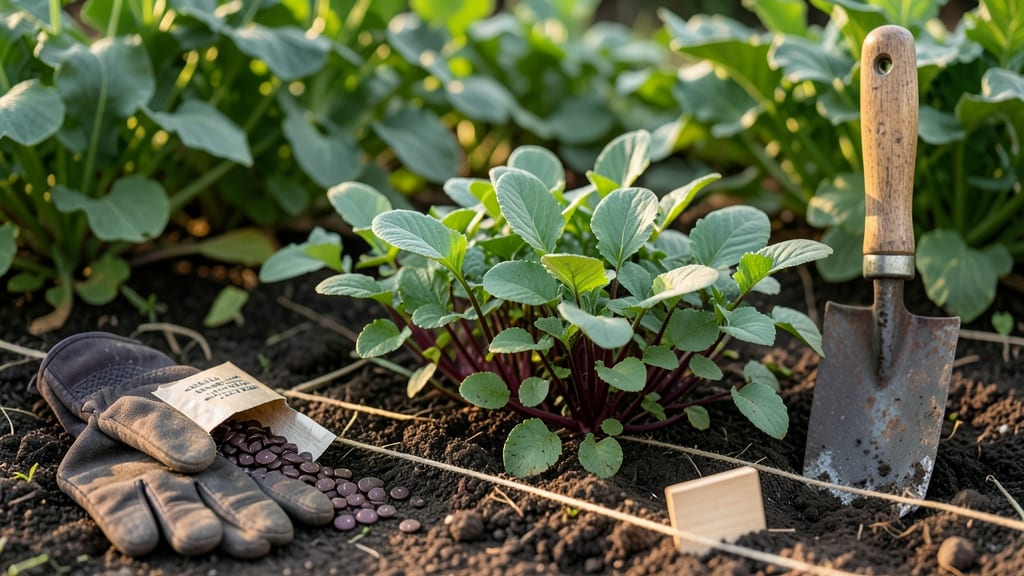
If you've ever pulled a woody, bitter beet from your Illinois garden, you know timing is everything—plant too early, and frost ruins your harvest; too late, and summer heat turns roots tough. The key to sweet, crisp 🍠 beets lies in understanding Illinois' unique frost dates and seasonal shifts.
For gardeners in zones 5b-6b, the ideal planting windows are early spring (March-April) or late summer (July-August). These timings align perfectly with soil temperatures that encourage germination while avoiding the dreaded late frosts that can strike after April 15.
What makes Illinois beet planting especially tricky is the state's regional variations—northern areas face shorter growing seasons, while southern zones enjoy extra weeks of warmth. I'll show you how to adjust your planting schedule based on your specific location to maximize your harvest potential.
Beyond frost dates, we'll cover succession planting strategies to keep your garden producing beets from June through November. Whether you're a first-time gardener or a seasoned green thumb, these insights will help you grow beets that are tender, flavorful, and ready to harvest at their peak.
Illinois beet planting calendar: exact weeks before frost for peak harvest
Timing your beet planting in Illinois comes down to two critical windows: early spring (March-April) and late summer (July-August). These periods align with soil temperatures between 45°F-55°F—the sweet spot for beet germination.
For northern Illinois (zones 5b), aim for 4-6 weeks before your last frost date, while southern zones (6b) can start slightly earlier.
Beets are hardy and can tolerate light frost, but seedlings won’t survive temperatures below 30°F. That’s why I recommend using row covers if planting in early spring or late fall.
The key is to give your beets 70-80 days of growing time before the first frost hits—typically by October 15 in most of the state.
Here’s the breakdown of your planting schedule based on Illinois’ two main growing seasons:
| Season | Planting Window | Soil Temp | Frost Buffer | Harvest Window |
|---|---|---|---|---|
| Spring | March 15 - April 15 | 45°F-55°F | 4-6 weeks before last frost | June - July |
| Late Summer | July 15 - August 15 | 50°F-60°F | 8-10 weeks before first frost | October - November |
| Succession | Every 2-3 weeks through July | 50°F+ | 70-80 days to harvest | June - November |
For gardeners in northern Illinois, where growing seasons are shorter, focus on early spring plantings and prioritize faster-maturing varieties like Detroit Dark Red or Babybeat. In southern Illinois, you’ve got more flexibility—you can even squeeze in a fall planting in September for a late-season harvest.
Pro tip: Use a soil thermometer to confirm temperatures before planting. Beets won’t germinate well below 45°F, even if the calendar says it’s time. If your soil is still cold, wait a week or two—patience pays off with sweeter roots.
Don’t forget about succession planting! By sowing new seeds every 2-3 weeks through July, you can enjoy fresh beets from June through November. This is especially useful in Illinois, where summer heat can make roots tough if left in the ground too long.
If you’re planting in late summer for a fall harvest, aim to get seeds in the ground by August 15 in most of the state. This gives your beets enough time to mature before the first frost.
In zone 5b, you might need to use row covers to extend the season by 2-3 weeks.
For container gardening, stick to the same timing but use larger pots (12+ inches deep) to accommodate the roots. Just remember, beets need deep, loose soil—containers can dry out faster, so monitor moisture closely during hot spells.
Finally, keep an eye on your local frost dates. While the averages are helpful, Illinois weather can be unpredictable. Check resources like the Old Farmer’s Almanac or your local cooperative extension service for updates tailored to your specific county.
How to adjust beet planting for Illinois’ unpredictable weather patterns
Illinois’ weather can be as unpredictable as a toddler’s mood—one day it’s sunshine, the next, a surprise frost 🌡️. To protect your beet crop, I’ve learned to adapt planting schedules based on soil temperatures, not just calendar dates.
For example, in northern Illinois (Zone 5b), wait until the soil reaches 50°F (10°C) before sowing, even if it’s technically spring. Use a soil thermometer to check—it’s your best friend for timing.
If late frosts threaten after April 15, cover young seedlings with frost cloth or a lightweight row cover. I once lost an entire row of baby beets to a 28°F (-2°C) dip in May—now I keep an emergency cover ready.
For southern Illinois (Zone 6b), you’ve got more flexibility, but don’t push it past July 15 for fall planting, or your beets will bolt before harvest.
Heatwaves can also sabotage beet growth, turning roots tough and woody. During summer months (June-August), provide afternoon shade with 30% shade cloth if temperatures exceed 85°F (29°C)3 days under relentless sun—don’t let that happen to your harvest!
Drought is another Illinois challenge, especially in western regions. Beets need consistent moisture, but soggy soil causes rot. I mulch with straw or grass clippings to retain moisture while preventing weeds. Water deeply in the morning to avoid fungal diseases that thrive in damp evening air.
Companion planting can also help mitigate risks. Pair beets with garlic or onions to deter pests like leaf miners, or plant near lettuce to share space in small gardens. I’ve even tried interplanting beets with radishes—the radishes mature first, leaving room for beets to fill in later without competition.
For succession planting, sow new seeds every 2-3 weeks from March through July. This ensures a steady harvest from June through November. I mark planting dates on a garden calendar with colorful tabs—it’s my secret weapon for staying organized amid Illinois’ chaotic weather.
Finally, keep an eye on the 10-day forecast before planting. If rain is predicted, delay sowing until the soil dries enough to work. Wet soil compacts easily, making it harder for tiny beet seeds to sprout.
With these adjustments, you’ll turn Illinois’ weather quirks into opportunities for a longer, more reliable harvest.