
Plants
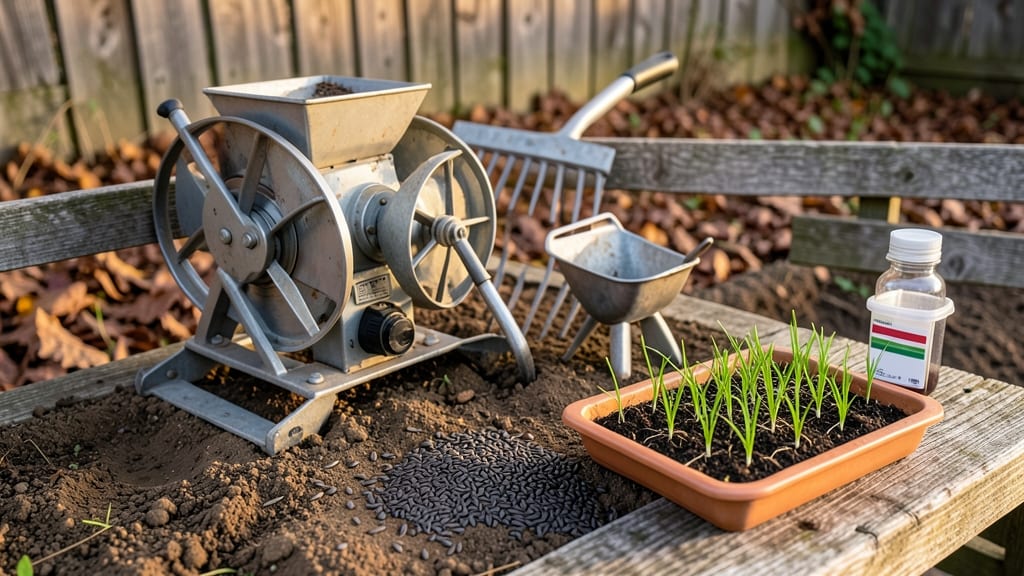
Timing your grass seed when to plant in the fall is the game-changer between a patchy lawn and a thick, green carpet by spring. The key? Planting 4-6 weeks before the first frost—when soil stays warm enough for roots to establish but weeds are still dormant.
Fall planting works because cooler temps reduce evaporation, and fewer weeds compete for resources. But get it wrong, and you’ll end up with weak germination or wasted seed. I’ll show you exactly how to nail the timing, whether you’re in a 6a zone or further south.
You’ll learn the ideal window for your region, how to prep your soil for success, and the 5 biggest mistakes that kill grass seed before it even sprouts. No more guessing—just a step-by-step plan for a lawn that wows next spring.
Ready to transform your yard? Let’s dive into the perfect fall planting schedule and care routine that’ll have your 🌱 grass seed thriving when warmer weather rolls around.
Best fall weeks before frost for grass seed planting by climate Zone
Fall planting gives cool-season grasses like Kentucky bluegrass and fescue a head start before winter. The key is timing—plant 4-6 weeks before your first hard frost to allow roots to establish without freezing. But this window varies dramatically by USDA climate zone, so let’s break it down by region.
In the Northern US (Zones 3-5), aim for late August to mid-October. Southern areas (Zones 6-9) can plant later, even into November, since frost arrives later. Check your local frost dates (USDA Plant Hardiness Zone Map) to calculate your perfect window.
For example, in Zone 5, planting in late September gives seeds time to germinate before November frost. In Zone 8, you might extend planting until early December—just avoid planting when soil temps drop below 50°F.
Pro tip: Use a soil thermometer to confirm temps are between 60-75°F—ideal for germination. Cooler nights help reduce weed competition while seeds establish.
| USDA Zone | Best Planting Window | Soil Temp Range (°F) | Frost Risk |
|---|---|---|---|
| Zones 3-4 | Mid-August to early October | 60-75°F | High (plant early!) |
| Zones 5-6 | Late August to mid-October | 60-75°F | Moderate |
| Zones 7-8 | September to early November | 65-70°F | Low |
| Zones 9-10 | October to December | 60-65°F | Minimal |
🌱 Planting too late? If frost hits before roots establish, seeds may rot or fail to germinate.
Why does timing matter so much? Grass seeds need 4-6 weeks of warm soil to germinate and 6-8 weeks total to develop a strong root system before winter dormancy.
Planting too early (like July) risks dormancy before roots form, while planting too late (like December) leaves seeds vulnerable to freezing or drying out.
For warm-season grasses (like Bermuda or Zoysia), fall is still a great time to overseed with cool-season varieties. But if you’re planting warm-season grass seed in fall, aim for late summer (August) to give it time to establish before cooler temps slow growth.
Use a frost date calculator (like the Old Farmer’s Almanac) to pinpoint your local window. Then, mark your calendar: 4-6 weeks before frost is your sweet spot for a thicker, greener lawn next spring.
Remember, cooler fall temps mean fewer weeds and pests, giving your new grass a competitive edge. Just avoid planting when rainfall is heavy—seeds can wash away or rot in soggy soil.
How to prepare your soil for fall grass seed success
Prepping your soil for fall grass seed is like laying the foundation for a house—get it wrong, and everything else falls apart. Start by testing your soil pH (aim for 6.0-7.0), since most grass seeds struggle in acidic or alkaline conditions.
A simple home pH test kit (under $10) or a local extension office test will give you the data you need.
Once you know your pH, adjust it with lime (to raise pH) or sulfur (to lower pH), following package instructions. Apply these amendments 2-3 months before planting—that gives them time to work into the soil naturally.
For example, if you’re planting in late September, start prepping in June or July.
Next, clear the area of weeds and debris. Use a broadfork or till to loosen the top 2-3 inches of soil, breaking up compacted layers. This helps roots penetrate deeper, which is crucial for fall establishment.
If your lawn has thick thatch (over ½ inch), dethatch with a rake or vertical mower to prevent seed from smothering.