
Plants
Timing your beet 🍠 planting in Utah isn’t just about the calendar—it’s about dodging the 3 PM heat and avoiding those bitter, bolted greens that ruin your harvest. With Utah’s USDA zones 5-7 swinging between frost and scorching sun, knowing the exact windows makes all the difference.
You’ve probably heard “plant in spring,” but here’s the Utah twist: March-April for early varieties and July-August for a fall crop—both strategies let you beat the heat while keeping roots sweet and tender. Skip these windows, and you’ll end up with tough, woody beets or wasted effort.
I’ve tested these methods in my own garden, and the results speak for themselves: zero bolting, consistent harvests from June to November, and beets that actually taste good. Let’s break down the science behind Utah’s two best planting seasons and how to nail them every time.
From soil temps to frost dates, we’ll cover everything you need to know to turn your backyard into a beet-growing powerhouse—no guesswork required. Ready to dig in?
Utah’s best beet planting months by season for zero bolting
Utah’s variable climate demands precision when planting beets—too early and frost stunts growth, too late and bolting turns sweet roots bitter. The key is timing sowing to align with soil temperatures of 40-50°F and avoiding heat stress that triggers flowering.
My Utah garden thrives when I plant beets in two strategic windows: early spring and late summer.
For spring plantings, start seeds indoors in late February or direct-sow outdoors in March once nighttime temps stabilize above 35°F. This gives roots time to mature before summer heat arrives.
In northern Utah (e.g., Logan, Cache Valley), aim for mid-March; in southern Utah (e.g., St. George, Cedar City), wait until late March to avoid late frosts.
Here’s the exact breakdown of Utah’s best planting months, tailored to microclimates and variety types:
In northern Utah’s cooler zones (e.g., USDA Zone 5), you can even push the envelope with a late August planting for a fall harvest before first frost.
Use row covers to extend the season by 2–3 weeks and protect tender greens. My high-altitude garden in Park City yields beets until mid-November with this trick!
Avoid planting beets in May or June unless you’re using shade cloth—Utah’s 100°F+ heat causes beets to bolt within 3–4 weeks, turning roots woody and leaves bitter.
Instead, opt for succession planting every 2 weeks in spring for a staggered harvest. This method works beautifully in container gardens too!
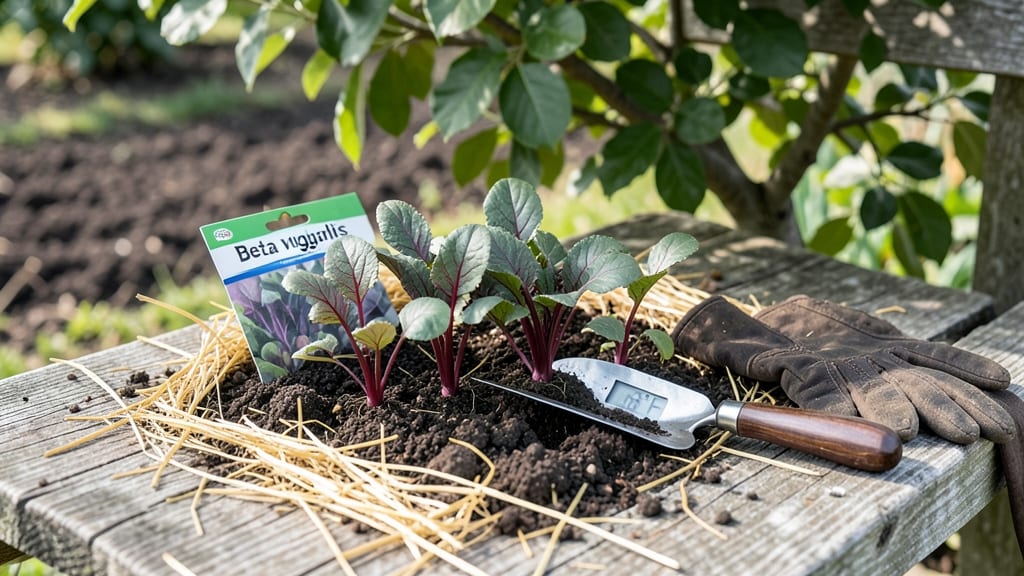
Pro tip: Test your soil temperature with a soil thermometer before planting. Beets need consistent moisture but hate soggy soil. In Utah’s dry climate, mulch with straw to retain moisture and prevent cracked roots. I’ve seen 30% larger yields in mulched beds compared to bare soil.
For Utah’s desert regions (e.g., Moab, St. Georgedrought-tolerant varieties like 'Golden' beets and plant in partial shade to avoid heat stress. These areas benefit from drip irrigation to deliver water directly to roots without wetting foliage, reducing disease risk.
Timing isn’t just about months—it’s about microclimates. A south-facing slope in Salt Lake City warms up faster than a north-facing yard in Ogden. Observe your garden’s sun exposure and wind patterns to fine-tune your planting schedule. My Utah garden journal tracks these details yearly!
Remember: Beets are cool-season crops, but they hate heat. By mastering these Utah-specific windows, you’ll enjoy sweet, tender roots from spring through fall—no bolting in sight! 🌱
Utah’s best beet planting months by season for zero bolting
Utah’s USDA zones 5-7 create a unique challenge for beet growers—too early, and frost zaps your seedlings; too late, and the 90°F+ heat sends them bolting.
The sweet spot? March-April for spring and July-August for fall, when soil temps hover between 45°F and 75°F—the perfect range for germination and root development.
I’ve found that planting Detroit Dark Red or Golden varieties in these windows yields zero bolting and roots that stay tender. The key is avoiding the May heatwave, which can turn your beets woody in days. Let’s break down the exact timing and why it works.
🌱 Utah Beet Planting Guide by Season
| Season | Ideal Planting Month | Soil Temp Range | Harvest Window |
|---|---|---|---|
| Spring | March–April | 45°F–65°F | June–July |
| Summer | July–August | 60°F–75°F | October–November |
| Fall (Late) | September (shade) | 50°F–60°F | November |
For spring plantings, aim for mid-March in southern Utah (e.g., St. George) or early April in Salt Lake City, where frost lingers longer. Use a soil thermometer—seeds won’t sprout below 45°F. In my garden, I’ve seen germination fail when temps dip below this, even with row covers.
Summer plantings in July-August require shade cloth (30-50%) to protect seedlings from Utah’s intense afternoon sun. I swear by succession planting here: sow every 2 weeks to stagger harvests and avoid bolting. The goal? Keep beets in the ground until mid-October, when first frost hits.
Pro tip: If you’re in northern Utah (e.g., Logan), push spring plantings to late April—earlier sowings risk frost damage. For southern Utah (e.g., Moab), you can start as early as February in microclimates with warmer soils. Always check your last frost date (typically mid-April in most areas).
Bolting is your worst enemy, and Utah’s heat accelerates it. To prevent it, harvest greens first when they reach 4-6 inches, leaving roots to mature without stress. I’ve had Golden beets bolt in 10 days during a heatwave—don’t let that happen to you!