
Plants
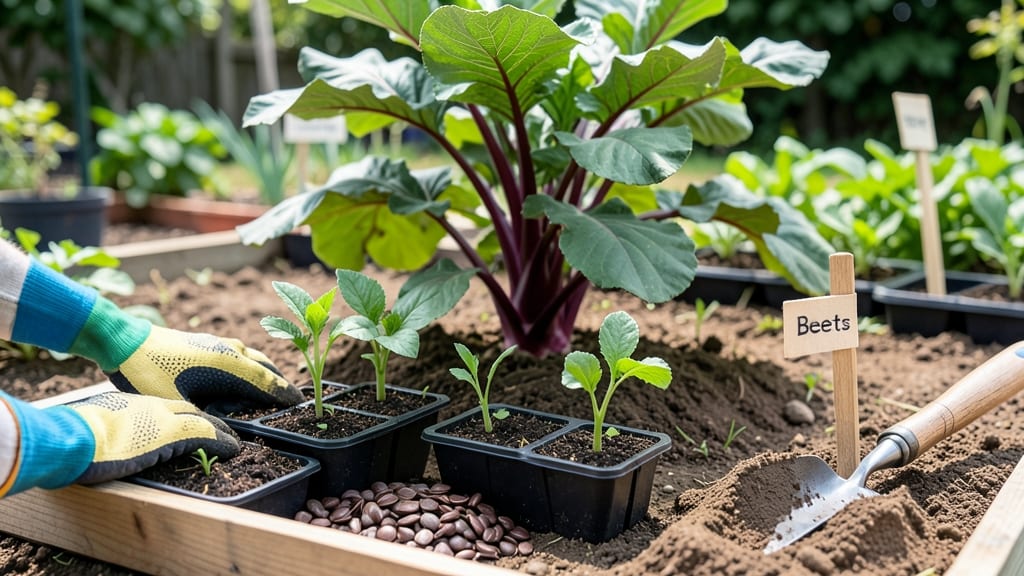
If you’ve ever planted beets in Zone 7b only to watch them bolt into bitter, leafy stalks instead of tender roots, you’re not alone—and the fix is simpler than you think.
Beets like 🍠 thrive in cool weather, but Zone 7b’s climate can turn your harvest into a gamble if you don’t time it right. The difference between crisp, sweet beets and disappointment often comes down to planting windows, soil temperature, and avoiding summer heat.
Let’s break down the best months to plant for a foolproof harvest, so you can enjoy homegrown beets all season long.
In Zone 7b, the ideal planting windows are early spring (March–April) and late summer (July–August), but there’s more to it than just months. We’ll cover soil prep, heat tolerance tricks, and how to stretch your harvest without bolting.
Whether you’re a first-time gardener or a seasoned pro, these tips will help you grow the best beets your garden has ever seen.
Ready to skip the trial-and-error? I’ll walk you through the exact steps to plant beets at the perfect time, so you can enjoy a continuous supply of harvest-ready roots from late spring through fall. No more wasted seeds or bitter surprises—just delicious, homegrown beets.

Optimal planting windows for beets in Zone 7b (with heat tolerance tips)
Zone 7b’s mild winters and hot summers create a unique challenge for growing beets. Unlike cooler zones, you can’t just plant in spring and call it a day—timing is everything to avoid bolting (that bitter, leafy phase).
The key is planting when soil temps stay below 70°F and using succession planting to stretch your harvest.
For most Zone 7b gardeners, the sweet spot is early spring (February–March) and late summer (August–September). These windows align with cooler temps and shorter daylight, which beets prefer. But don’t worry if you miss them—fall planting can still yield great results with the right tricks.
Soil temperature is your best friend here. Beets thrive when soil is between 45–65°F—any hotter, and you risk bolting. Use a soil thermometer to check before planting. If temps creep above 70°F, switch to shade-tolerant varieties or delay until fall.
Spring planting in Zone 7b starts 4–6 weeks before your last frost date (typically mid-March). For example, if your frost date is March 15, begin sowing seeds indoors by mid-February. This head start ensures seedlings are ready to transplant when soil warms to 50°F.
Fall is your second chance for beets. Aim to plant seeds by mid-August to harvest before the first frost (usually mid-November). Beets store well in cool, dark places, so a fall crop can last through winter.
Just be mindful of early heat waves—if temps spike above 75°F, use shade cloth (30–50%) to protect seedlings.
For a continuous harvest, try succession planting every 2–3 weeks during spring and fall. This method ensures you’re always pulling fresh beets while avoiding overcrowding. Just remember: thin seedlings to 2–3 inches apart once they’re 2 inches tall to prevent competition.
If you’re short on time, late-summer planting (July) can still work for quick harvests. Opt for bolt-resistant varieties like ‘Cylindra’ or ‘Detroit Dark Red’ and expect smaller roots (harvest in 30–40 days). This is a great way to sneak in a harvest before fall planting.
Optimal planting windows for beets in Zone 7b (with heat tolerance tips)
Zone 7b’s mild winters and hot summers make beet planting timing critical. Plant too early, and you risk frost damage; too late, and your beets will bolt into bitter stalks before you harvest.
The sweet spot? Cool soil temperatures between 45–65°F for early spring and 50–70°F for fall. Let’s break down the best windows and how to avoid summer’s heat trap.
For early spring planting, aim for February to early March—just as soil warms but before last frost date (typically March 15 in Zone 7b). This gives beets 50–60 days to mature before summer heat sets in.
Use a soil thermometer to confirm temps stay below 70°F during germination. If your soil heats up faster, try shade cloth or black plastic mulch to regulate temps.
Fall planting in August to September is your second chance for a crisp harvest before winter. Beets sown in late summer mature just as cool weather returns, avoiding the heat stress that triggers bolting.
Monitor afternoon temperatures—if they creep above 75°F, provide dappled shade with floating row covers or lightweight shade cloth (30%) to keep leaves cool.
For a continuous harvest, try succession planting every 2–3 weeks in spring and fall. Space seeds 1 inch apart, then thin to 2–3 inches once seedlings hit 2 inches tall.
This ensures a steady supply of beets without overcrowding. Pair with leafy greens like lettuce or spinach to maximize garden space and companion benefits.
If you’re tempted to plant in late summer (July), opt for fast-maturing varieties like ‘Babybeat’ or ‘Cylindra’ and harvest within 30–40 days to avoid bitterness. Just be warned: July heat in Zone 7b is brutal for beets, and even bolt-resistant types may struggle.
Prioritize morning watering and deep mulching to protect roots from drying out.
Pro tip: Test your soil before planting—beets prefer pH 6.0–7.0 and loamy, well-draining soil. Amend with compost if your soil is sandy or clay-heavy. A light fertilizer (10-10-10) at planting time gives them a nutrient boost without encouraging excessive leaf growth at the expense of roots. 🌱