
Plants
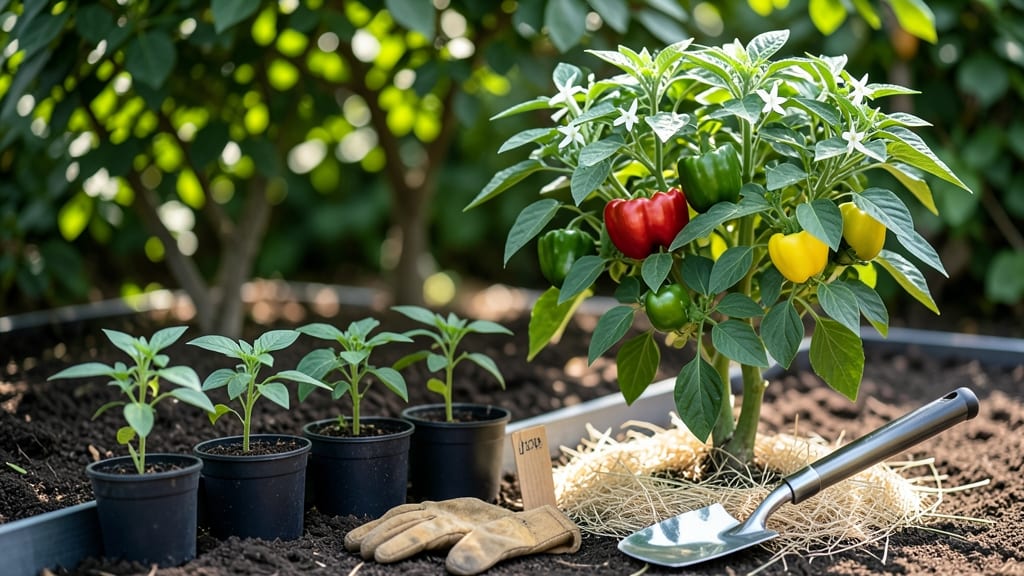
Timing your bell pepper planting in Arkansas could mean the difference between a bountiful harvest and wasted effort. With the state’s 7a-8a climate zones, getting those 🌶️ seedlings in the ground just right—after the last frost but before summer’s brutal heat—isn’t just luck, it’s strategy.
Plant too early, and a late frost will nip your seedlings in the bud. Too late, and you’ll miss the July-October harvest window when Arkansas summers are at their peak.
The key? Starting seeds indoors by March 15 or waiting until soil hits 60°F for direct sowing between April 15-May 15.
But here’s the twist: Arkansas’s humidity and clay-heavy soils demand extra prep. We’ll cover the exact steps to give your peppers the best shot—from heat-tolerant varieties like ‘Arkansas Wonder’ to soil tricks that keep roots happy in the heat.
Ready to grow a garden full of crisp, vibrant peppers? Let’s break down the perfect planting schedule and pro tips to beat Arkansas’s challenges—so you can enjoy homegrown harvests from July right through October.
Best planting timeline for Arkansas bell peppers by climate Zone
Arkansas spans USDA Zones 6b-8a, creating distinct microclimates that affect bell pepper planting. In the northern regions (Zone 6b), like Bentonville, wait until mid-April to early May after the last frost date (typically March 20-April 5).
Central Arkansas (Zone 7a), including Little Rock, has a slightly longer window—plant from late April to mid-May when soil temps hit 60°F+. Southern Arkansas (Zone 8a), like Texarkana, can start as early as late March for heat-tolerant varieties.
Soil temperature is critical—bell peppers won’t germinate below 55°F, and growth stalls under 60°F. Use a soil thermometer to confirm readiness. In cooler zones, opt for transplants (6-8 weeks old) instead of direct sowing to avoid delays.
Warmer southern zones can handle direct sowing in early April if night temps stay above 50°F.
For extended harvests, consider a second planting in late June for southern Arkansas. This late crop matures just before frost (typically November 15), ensuring peppers ripen in 75-90 days.
Northern gardeners should skip this—frost arrives too early. Always check your local Arkansas Cooperative Extension frost maps for precision.
🌱
| Zone | Last Frost Date | Optimal Planting Window | Soil Temp Threshold | Recommended Varieties |
|---|---|---|---|---|
| 6b (North) | March 20-April 5 | Mid-April to Early May | 60°F+ | Carolina Wonder, Jupiter |
| 7a (Central) | March 25-April 10 | Late April to Mid-May | 60°F+ | Arkansas Wonder, NuMex Sandia |
| 8a (South) | March 10-April 1 | Late March to Early May | 55°F+ (direct sow) | Carolina Cayenne, Early Prolific |
If you’re starting seeds indoors, begin 8-10 weeks before your target transplant date. Use grow lights for 14-16 hours/day to prevent leggy seedlings. Harden off transplants for 7-10 days before moving them outdoors—this toughens stems and reduces transplant shock.
Arkansas’s humidity and heat can stress young plants, so avoid transplanting during afternoon heatwaves (above 90°F).
For container gardening, plant in 5-gallon pots with well-draining mix. Containers warm up faster than soil, so you can plant 1-2 weeks earlier than in-ground.
Just ensure pots stay consistently moist—Arkansas’s summer droughts can dry containers quickly. Place containers in full sun (6+ hours) and rotate them weekly for even growth.
Watch for late-season pests like aphids or spider mites, which thrive in Arkansas’s heat. Apply neem oil preventatively if you notice sticky leaves or webbing. Mulch with straw or pine needles to retain moisture and suppress weeds—critical in Arkansas’s clay-heavy soils, which dry out fast.
🌿
Pro tip: Mark your planting dates on a garden calendar alongside moon phases. Some Arkansas gardeners swear by planting bell peppers during the waxing gibbous moon for stronger roots.
While science doesn’t back this, it’s a fun tradition! Pair your planting with a balanced fertilizer (10-10-10) to kickstart growth—just avoid over-fertilizing, which can lead to blossom-end rot.
Remember, Arkansas’s unpredictable weather means flexibility is key. Keep an eye on 7-day forecasts and adjust your planting timeline if a cold snap is predicted. With the right timing, you’ll enjoy homegrown bell peppers from July through October—just in time for fresh salsas and grilling!
☀️
Best planting timeline for Arkansas bell peppers by climate Zone
Arkansas’s 7a-8a climate zones create distinct planting windows for bell peppers, so knowing your region is key. Northern Arkansas (Zone 7a) has a later last-frost date (around April 15), while Southern Arkansas (Zone 8a) can start planting as early as March 20 in sheltered microclimates.
The general rule: wait until soil hits 60°F and nighttime temps stay above 55°F.
For direct sowing, aim for April 15-May 15 statewide. If starting seeds indoors, begin by March 15 to ensure sturdy seedlings ready for transplant. Arkansas’s humidity and heat demand quick transitions—seedlings need to harden off before facing 90°F+ days.
🌱Pro Tip: Use black plastic mulch in early spring to warm soil faster in cooler zones like Northwest Arkansas.
Southern Arkansas gardeners can push the envelope with early plantings (as soon as March 25), but Northern zones should wait until May 1 to avoid frost damage. Heat-tolerant varieties like ‘Carolina Wonder’ handle Arkansas’s 100°F+ summers better than standard types, making them ideal for all regions.
🌡️Warning: If nighttime temps drop below 50°F after transplanting, use row covers to protect young plants.
For a second harvest, try late summer sowings (August 1) in Southern Arkansas—just be ready to harvest by October 15 before the first frost. Northern zones should skip this and focus on spring plantings.