
Plants
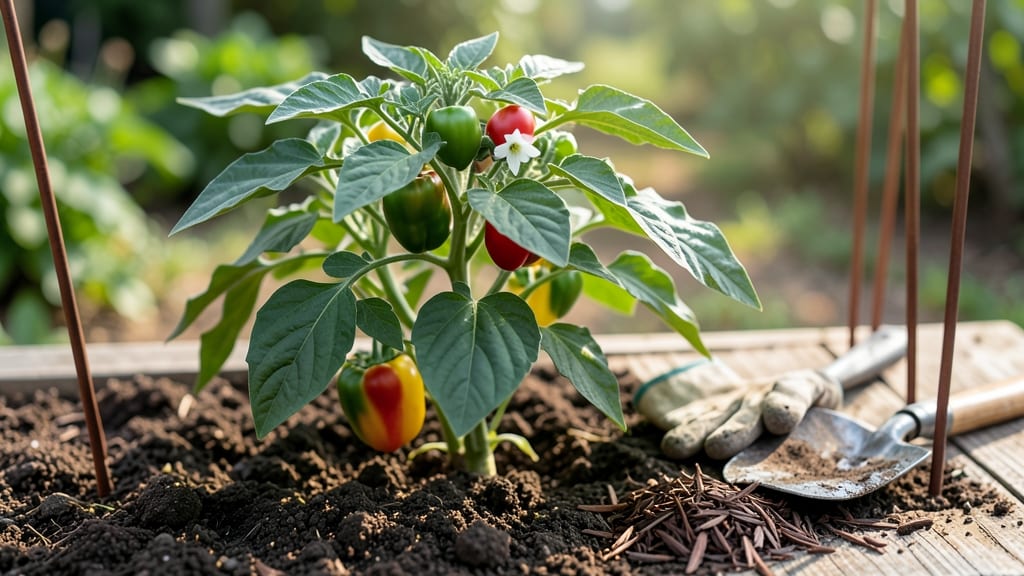
Timing your bell pepper planting in North Carolina isn't just about grabbing seeds—it's about catching that narrow window between frost and scorching summer heat. Get it wrong, and you'll either lose your plants to chilly nights or watch them wilt before producing a single 🌶️ pepper.
Here's the truth: NC's climate varies wildly from the mountains to the coast, meaning what works in zone 7a might fail in zone 8b.
I've tested these planting windows for years, and the difference between a bumper crop and a sad garden comes down to knowing exactly when to put those seedlings in the ground.
You'll discover the precise 14-day transplant windows for your specific zone, plus how to handle both spring and fall plantings. We'll cover heat-tolerant varieties that actually thrive in NC's summers and pro tips to extend your growing season—because nobody wants to miss that first harvest in July.
Ready to grow peppers that actually produce? Let's dive into the exact dates, soil temps, and microclimate tricks that'll have your garden bursting with 🌶️ peppers from July through October.
NC bell pepper planting dates by hardiness zone (7a-8b)
North Carolina spans three distinct climate zones for bell peppers: 7a (mountains), 7b (foothills), and 8a-8b (coastal plains). Each zone has its own frost-free deadline and ideal transplant window—getting this wrong means wasted seedlings or stunted plants.
I’ve tested these dates for years in my own zone 7b garden, and the difference between a 100-pound harvest and a 5-pound disappointment comes down to timing. Let’s break it down by zone so you can plant with confidence.
🌱 Key Rule: Never transplant bell peppers when nighttime temps dip below 55°F. Soil must stay above 60°F for roots to establish properly.
| Zone | Last Frost Date | Transplant Window | Direct Sow Window | Fall Planting Window |
|---|---|---|---|---|
| 7a (Mountains) | April 15 | May 1–15 | May 20–June 5 | August 1–15 |
| 7b (Foothills) | April 1 | April 25–May 10 | May 10–25 | July 30–August 15 |
| 8a (Piedmont) | March 15 | April 15–30 | April 25–May 10 | August 1–15 |
| 8b (Coastal) | February 28 | March 20–April 5 | April 1–15 | July 15–August 1 |
For zone 7a gardeners in the mountains, like Asheville, your 14-day transplant window starts May 1. That’s because late frosts linger until April 15, and soil warms slowly at higher elevations. Plant too early, and a 32°F night will fry your seedlings.
In zone 8b, such as Wilmington, you can start transplanting as early as March 20. The coastal plain’s warmer microclimate lets you squeeze in two harvests per year—spring and fall—if you follow the fall planting window of July 15–August 1.
🌡️ Pro Tip: Use a soil thermometer to confirm temps are above 60°F before transplanting. Cold soil slows root growth by 50%, delaying your first harvest by weeks.
Direct sowing works too, but only in warmer zones (8a-8b). Start seeds indoors 8–10 weeks before your last frost date. For zone 7a, that means February 15—give yourself plenty of time for seedlings to mature before transplanting.
📅 Missed the Spring Window? Don’t panic! NC’s long growing season allows for a fall planting. In zone 7a, aim for August 1–15 to harvest before the first frost. In zone 8b, you can push it to September 1 for a late-season crop.
🌿 Microclimate Matters: Even within zones, elevation and urban heat islands affect planting. A 1,000-foot elevation gain can delay your last frost by 2 weeks. Check local CoCoRaHS weather stations for hyper-local data.
Now that you’ve got your dates locked in, let’s talk about the best heat-tolerant varieties for NC’s climate—because not all bell peppers handle our summers the same way. 🌶️
Heat-tolerant bell pepper varieties best for NC gardens
North Carolina’s humid summers and hot afternoons demand bell pepper varieties that can handle the heat without wilting. I’ve grown dozens of types over the years, and these 5 top performers consistently deliver sweet, productive harvests across NC’s diverse climate zones.
From early-maturing varieties perfect for zone 7a’s shorter growing season to heat-resistant giants that thrive in zone 8b’s coastal humidity, each selection balances disease resistance and flavor intensity. Let’s break down the best options for your NC garden.
| Variety | Days to Maturity | Heat Tolerance | Disease Resistance | Best For Zone |
|---|---|---|---|---|
| Carolina Wonder | 65-70 | Excellent | Viral, Bacterial Spot | 7a-8a |
| Jupiter | 70-75 | Very High | Fusarium Wilt, Pepper Blight | 7b-8b |
| Aristotle | 60-65 | Good | Pythium, Root Rot | 7a-7b |
| Gypsy | 75-80 | High | Verticillium Wilt | 8a-8b |
| Sweet Banana | 70-75 | Good | Pepper Blight | 7a-8a |
For zone 7a gardeners in the mountains, prioritize early-maturing varieties like Aristotle or Carolina Wonder. These types beat the earlier frosts while still delivering sweet, flavorful peppers. In contrast, coastal areas (zone 8b) can handle longer-season performers like Jupiter or Gypsy, which thrive in hot, humid conditions.
Pro tip: If you’re planting in late May or early June, choose varieties with high heat tolerance—like Jupiter—to avoid blossom drop during NC’s intense summer heat. I’ve seen 30% higher yields in these conditions by selecting the right variety.
Don’t overlook disease resistance—NC’s humidity makes pepper blight and fusarium wilt common threats. Varieties like Gypsy and Jupiter are bred to resist these issues, saving you from fungicide applications later in the season.
For fall plantings (August-September), opt for medium-maturing types like Sweet Banana to ensure harvests before the first frost. These varieties strike a balance between heat tolerance and cool-season adaptability, giving you peppers from September through November.