
Plants
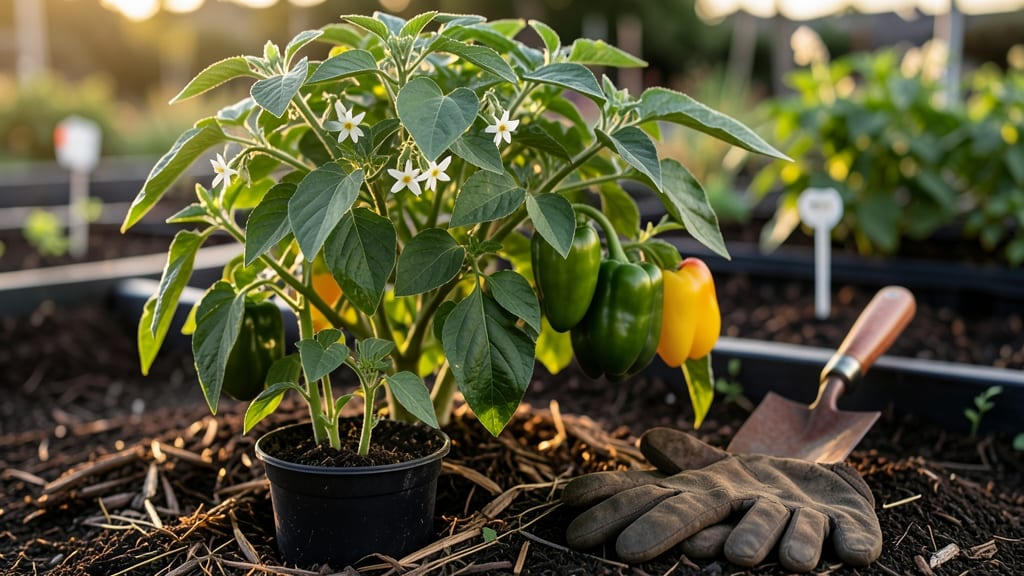
Timing your 🌶️ bell pepper planting in Indiana isn’t just about the calendar—it’s about surviving the state’s unpredictable swings from frost to heatwaves. Get it wrong, and you’ll either lose your plants to late frosts or watch them bolt before producing a single pepper.
Indiana’s Zone 5b-6b climate means your window for planting 🌶️ bell peppers is tight: typically between April 15 and May 15, once soil temperatures hit a steady 60°F.
But here’s the catch—northern Indiana (Zone 5a) plays by different rules than southern Indiana (Zone 5b), and microclimates can shift your ideal dates by weeks.
In this guide, I’ll break down the exact frost-free planting dates by zone, plus 5 critical factors that actually change your timeline—like soil type, transplant age, and pepper variety.
You’ll also discover how to stretch Indiana’s short growing season to squeeze in extra harvests, even if you’re in the chillier Zone 5a.
Ready to turn your garden into a bell pepper powerhouse? Let’s dive into the strategies that’ll keep your plants thriving from July through October, no matter where you are in the Hoosier State.
Indiana bell pepper planting dates by Zone 5a/5b (with last frost guarantees)
Indiana’s Zone 5a and Zone 5b have different frost-free dates, meaning your bell pepper planting timeline should shift depending on where you live.
In northern Indiana (Zone 5a), the last average frost date is April 20, but you should wait until May 1 for a 90% frost-free guarantee. Meanwhile, southern Indiana (Zone 5b) typically reaches safety by April 15, with a 95% frost-free window by April 25.
But frost isn’t the only factor—soil temperature matters just as much. Bell peppers won’t thrive until the soil hits 60°F. In Zone 5a, this usually happens around mid-May, while Zone 5b soils warm up by early May. Use a soil thermometer to confirm before planting.
If you’re eager to start earlier, consider starting seeds indoors 8–10 weeks before your last frost date. For Zone 5a, that means mid-February to early March, while Zone 5b gardeners can begin late February. Transplant seedlings outdoors only after all frost risk has passed.
Here’s a quick comparison to help you plan:
| Factor | Zone 5a (Northern Indiana) | Zone 5b (Southern Indiana) |
|---|---|---|
| Last Frost Date (Avg.) | April 20 | April 15 |
| 90% Frost-Free Guarantee | May 1 | April 25 |
| Soil Temp for Planting (60°F+) | Mid-May | Early May |
| Indoor Seed Start (8-10 wks before last frost) | Mid-February to Early March | Late February |
| Direct Sow Window (After Frost) | May 15 - June 1 | April 25 - May 15 |
| Harvest Window | Late July - October | Early July - October |
Pro tip: Use row covers or heat mats to plant bell peppers 2 weeks earlier in Zone 5a if you’re worried about late frosts. These tools can push your planting window back to late April while still protecting tender seedlings.
For direct sowing, aim for May 15 in Zone 5a and April 25 in Zone 5b. If you miss this window, don’t panic—just choose fast-maturing varieties like ‘Early Cal Wonder’ (60 days to harvest) to still get a summer crop.
Always check local frost date calculators, like those from the Indiana State Climate Office, for the most accurate predictions. A late spring can shift your timeline by weeks, so flexibility is key!
Finally, remember that microclimates play a role. Gardens near lakes or urban areas may warm up faster, while hilly or wooded spots can stay colder longer. Scout your yard in early spring to spot these differences.
With these dates locked in, you’re ready to plant bell peppers that thrive—not just survive—in Indiana’s unpredictable climate. 🌱
5 Critical factors that change your bell pepper planting timeline in Indiana
Indiana’s bell pepper planting timeline isn’t just about frost dates—it’s also about soil conditions, transplant age, and even the type of peppers you choose. One wrong move, and you could end up with stunted plants or peppers that bolt before ripening.
Let’s break down the 5 factors that actually shift your ideal planting window.
First, your soil type matters more than you think. Heavy clay soils stay cold longer and drain poorly, delaying planting by 1-2 weeks compared to sandy loam.
Amend clay soil with compost or peat moss to warm it faster. Meanwhile, sandy soils warm up quickly but dry out fast—mulch heavily to retain moisture.
Here’s how these factors impact your timeline:
- 1 Soil Temperature: Wait until soil hits 60°F+—cold soil stunts root growth. Use a soil thermometer to confirm.
- 2 Transplant Age: Seedlings 6-8 weeks old transplant best. Older plants struggle to adjust, while younger ones may not survive transplant shock.
- 3 Pepper Variety: Hot peppers (e.g., jalapeños) mature faster (60-70 days) than sweet bell peppers (70-90 days). Choose early varieties for Zone 5a.
- 4 Microclimates: Gardens near lakes or buildings warm up 1-2 weeks earlier than open fields. Scout your yard in spring to spot these differences.
- 5 Last-Frost Year: A late frost in Zone 5a can delay planting by 3 weeks. Use row covers to protect seedlings if needed.
Let’s tackle soil temperature first. Even if frost risk is gone, cold soil (50°F or below) will shock your peppers’ roots. In Zone 5a, this often means waiting until mid-May, while Zone 5b gardeners can plant by early May.
Pro tip: Use black plastic mulch to warm soil 2-3°F faster.
Next, transplant age is non-negotiable. Seedlings that are too young (under 6 weeks) lack root strength, while overgrown plants (older than 8 weeks) struggle to adapt. Aim for 6-8 weeks when transplanting outdoors. For Zone 5a, start seeds mid-February; for Zone 5b, begin late February.
Don’t overlook pepper variety. Sweet bell peppers like ‘California Wonder’ need 70-90 days to mature, while hot varieties like ‘Jalapeño M’ ripen in 60-70 days. In Zone 5a, choose fast-maturing types to avoid early frosts. Always check the days-to-maturity label when selecting seeds.
Finally, microclimates can shift your timeline by weeks. A spot near your house or a south-facing wall might be 5°F warmer than your open garden bed. Test your yard in early spring by placing thermometers in different areas. If one spot warms up faster, plant heat-lovers like peppers there first.
By accounting for these 5 factors, you’ll avoid common mistakes like bolting (premature flowering) or stunted growth. Now you’re ready to plant bell peppers that thrive, not just survive, in Indiana’s unpredictable climate. 🌶️