
Plants
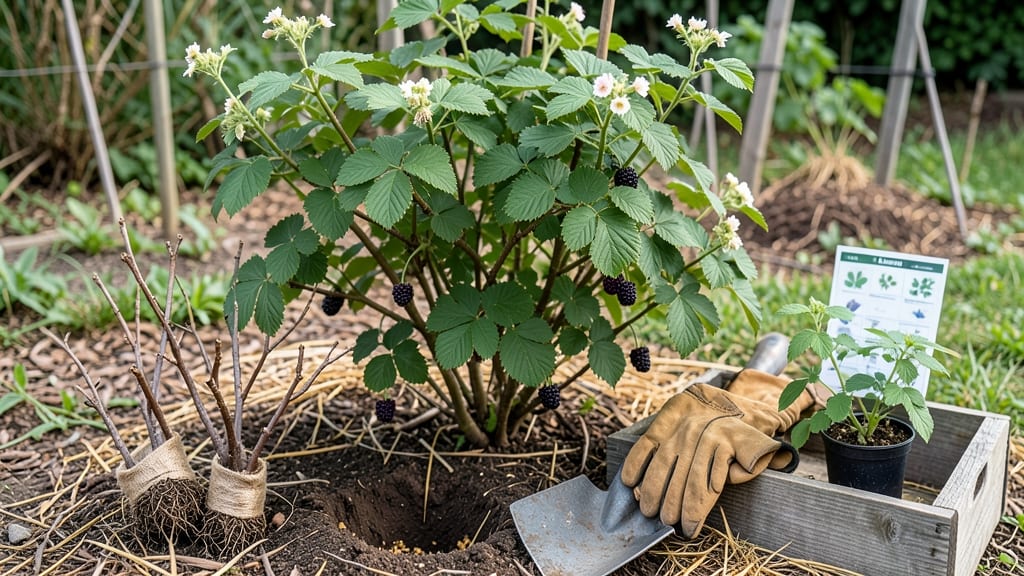
Timing your blackberry 🫐 planting in Indiana isn’t just about grabbing canes from the nursery—it’s the difference between a thriving bramble and one that struggles to fruit. With Indiana’s USDA Zone 5b-6b climate, planting too early risks frost damage, while waiting too long can stunt root growth before winter.
Most gardeners in Indiana swear by early spring (March-April) or early fall (September-October) as the sweet spots, but the real secret lies in matching your variety to the region’s chill hours.
Whether you’re planting bare-root canes or potted plants, getting this right ensures your blackberries hit peak flavor by July-August harvest time.
I’ll walk you through the exact soil temperatures and frost dates to watch for, plus how to prep your site for maximum success. No more guessing—just proven strategies for Indiana’s unique growing conditions.
Ready to set your blackberries up for a bumper crop? Let’s dive into the perfect planting window and care tips that’ll have your bushes thriving year after year.
Indiana’s best planting months for blackberries by chill-hour requirements
Indiana’s USDA Zones 5b-6b create unique challenges for blackberry growers. The key to success lies in understanding your chill-hour requirements—most Indiana varieties need 500–1,000+ hours below 45°F annually.
Planting at the wrong time can lead to delayed fruiting or weak canes, so let’s break down the ideal windows for your region.
For primocane-bearing varieties (like ‘Triple Crown’), the best time is early spring (March–April) when soil temperatures reach 40–50°F. This aligns with Indiana’s last frost date around April 15 in most areas. Floricane-bearing types (e.g., ‘Natchez’) can also be planted in late winter (February) if you’re using bare-root canes.
Southern Indiana (Zone 6b) can push planting to early May for primocanes, but northern areas (Zone 5b) should stick to March–April to avoid frost damage. Always check your local frost dates—planting too early risks root freeze.
| Planting Window | Chill-Hour Needs | Soil Temp Requirement | Indiana Region Fit |
|---|---|---|---|
| Early Spring (March–April) | 500–800 hours | 40–50°F | All zones (5b–6b) |
| Late Winter (Feb) | 800–1,000+ hours | 35–45°F | Zone 6b (southern IN) |
| Early Fall (Sept–Oct) | 500–900 hours | 50–60°F | Zone 5b (northern IN) |
Fall planting (September–October) is ideal for Zone 5b gardeners—it allows canes to establish roots before winter while avoiding summer heat stress. However, avoid planting after October 15, as canes need 6 weeks to root before frost.
Use bare-root canes for fall planting; they adapt better than potted varieties.
Microclimates matter! Urban areas like Indianapolis may have warmer microclimates than rural spots, so adjust planting by 1–2 weeks later if your yard stays warmer. Always test soil temperature with a soil thermometer—planting in cold soil (<40°F) stalls root growth.
For thornless varieties (like ‘Chester’), plant 2 weeks earlier than traditional types—they’re slower to establish. Mulch with 4–6 inches of straw after planting to retain moisture and regulate soil temperature. This is especially critical in Indiana’s dry springs.
Pro tip: If you’re using potted blackberries, plant in late April–early May to avoid transplant shock from Indiana’s late frosts. Container-grown plants have a harder time recovering from cold snaps than bare-root canes.
Remember, primocane varieties (like ‘Arapaho’) produce fruit on new growth, so planting in early spring ensures they bear fruit the same year. Floricane types (e.g., ‘Darrow’) need two growing seasons, so fall planting delays fruiting until the following year.
Indiana’s climate demands precision—match your variety to your chill hours, plant when soil is warm enough, and give your canes time to root before extreme weather hits. With the right timing, you’ll enjoy juicy blackberries by July! 🫐
Top 3 blackberry varieties for Indiana’s climate and when to plant them
Indiana’s USDA Zones 5b-6b demand blackberry varieties that thrive in 500–1,000+ chill hours and handle late frosts. I’ve narrowed it down to three top performers—each with its own ideal planting window to maximize your harvest. Let’s explore how to match your variety to Indiana’s growing seasons.
First up is ‘Triple Crown’, a primocane-bearing variety that’s a favorite for Indiana gardeners. This thornless blackberry produces fruit on new growth, meaning you’ll get berries the same year you plant if you choose early spring (March–April).
It thrives in Zones 5–8 and needs 600–800 chill hours, making it perfect for most of Indiana.
| Variety | Type | Chill Hours | Best Planting Time | Indiana Notes |
|---|---|---|---|---|
| ‘Triple Crown’ | Primocane (thornless) | 600–800 | March–April | Fruits same year; great for small spaces |
| ‘Natchez’ | Floricane (thorny) | 800–1,000+ | Late Feb–March | Large berries; needs winter mulch |
| ‘Chester’ | Primocane (thornless) | 500–700 | March–April (2 wks earlier) | Early ripening; needs staking |
Next is ‘Natchez’, a floricane-bearing variety with massive 1-inch berries that Indiana gardeners love. This thorny variety needs 800–1,000+ chill hours, making it ideal for Zone 6b areas. Plant it in late February–March using bare-root canes to give roots time to establish before Indiana’s late spring frosts.
For those who prefer thornless varieties with early harvests, ‘Chester’ is my top pick. This primocane type needs only 500–700 chill hours, making it perfect for Zone 5b.
Plant it 2 weeks earlier than other varieties (around late February–March) because its roots establish more slowly. Expect your first harvest in early July!
All three varieties benefit from well-draining soil with a pH of 5.5–6.5. Amend Indiana’s clay-heavy soils with compost before planting. For thornless varieties, install trellis supports at planting—these canes need guidance as they grow 6–10 feet tall.
Pro tip: If you’re in northern Indiana (Zone 5b), opt for ‘Chester’ or ‘Triple Crown’—they handle colder winters better. Southern Indiana gardeners can try ‘Natchez’ for larger berries, but be ready to mulch heavily in winter to protect roots from freeze-thaw cycles.
Remember, primocane varieties like ‘Triple Crown’ and ‘Chester’ produce fruit on new growth, so planting in early spring ensures a summer harvest. Floricane types like ‘Natchez’ need two growing seasons to fruit, so fall planting delays your first harvest until the following year.
Choose wisely based on your patience and space! 🫐