
Plants
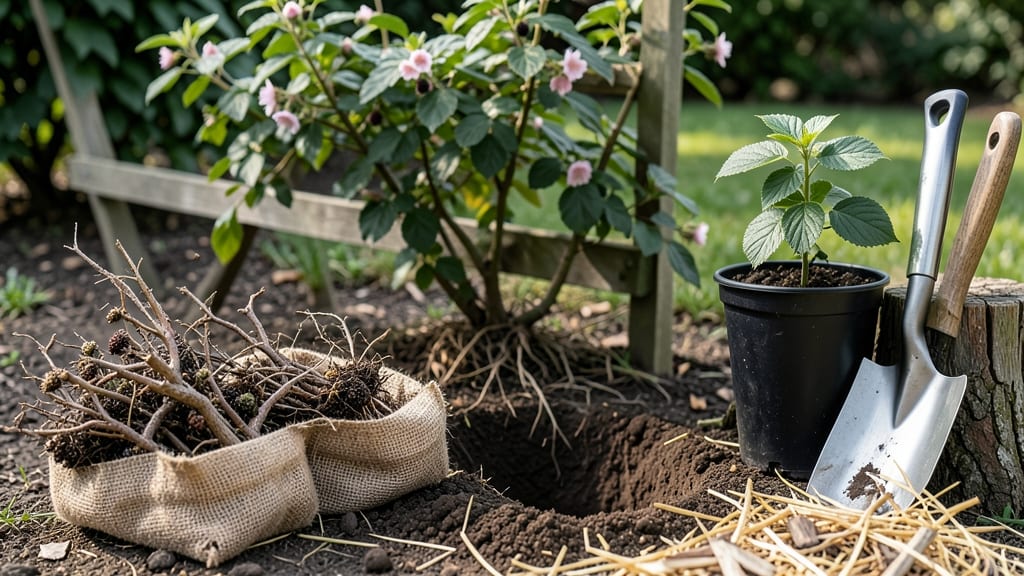
Planting blackberries in North Carolina at the wrong time can turn your sweet dreams of a 🫐 harvest into a frustrating gamble. The key isn't just picking a month—it's matching your variety to NC's chill-hour zones (6a-8b) for maximum fruit production and cane survival.
Most gardeners in NC rush to plant in early spring, but that timing often ignores critical factors like frost risk and dormancy needs.
Whether you're in the Piedmont's cooler climate or the Coastal Plain's milder winters, the optimal window is actually late winter to early spring—or even fall for certain varieties.
I'll break down exactly when to plant based on your specific zone, including soil prep secrets that make all the difference. By the end, you'll know not just when to plant, but why those dates matter most for your blackberry success.
Ready to avoid the most common mistakes that kill blackberry plants before they even fruit? Let's get those canes in the ground at the perfect moment for your NC location.
Best planting months for blackberries in NC by chill-hour zone
North Carolina’s diverse climate zones mean blackberry planting times vary dramatically from the Coastal Plain to the Mountains. The key factor? Chill hours—the number of hours below 45°F your plants need to break dormancy and fruit properly.
Get this wrong, and you’ll end up with poor yields or no berries at all.
Most NC gardeners plant blackberries in late winter to early spring (February-March) or fall (September-October). But the best window depends on your USDA zone and the chill-hour requirements of your variety.
For example, high-chill varieties (450-600 hrs) thrive in the Mountains, while low-chill types (0-300 hrs) do best in the Coastal Plain.
Here’s how to match your planting time to NC’s three main regions—and avoid costly mistakes.
| Region | USDA Zone | Chill-Hour Range | Best Planting Window | Soil Prep Tip | Key Variety Examples |
|---|---|---|---|---|---|
| Coastal Plain | 7b-8b | 0-300 hrs | September-October (fall) or January-February (early spring) | Amend sandy soil with 2-3 inches of compost and mulch heavily to retain moisture. | ‘Arapaho,’ ‘Natchez’ (thornless), ‘Onetta’ |
| Piedmont | 6b-7a | 300-450 hrs | February-March (late winter) or September (fall) | Test soil pH (5.5-6.5) and add sulfur if needed; till in aged manure. | ‘Chester,’ ‘Ouachita,’ ‘Triple Crown’ (thornless) |
| Mountains | 5b-6a | 450-600+ hrs | March-April (after last frost) or late August-September | Plant in well-draining slopes to avoid frost pockets; add organic matter to rocky soil. | ‘Chester,’ ‘Darrow,’ ‘Illini Hardy’ |
🌱 Pro Tip: Fall planting gives roots time to establish before winter, while spring planting avoids early frost damage.
In the Coastal Plain, where winters are mild, low-chill varieties like ‘Natchez’ can fruit year-round if planted in September. But in the Mountains, where winters are harsh, high-chill varieties like ‘Chester’ need March planting to ensure they get enough cold exposure before summer heat arrives.
One common mistake? Planting too early in spring when soil is still cold. Blackberry roots need soil temps above 50°F to establish properly. Use a soil thermometer to check—if it’s below 50°F, wait another 2-3 weeks.
Another critical factor: frost dates. In Zone 6a (Mountains), the last frost is typically around March 15, while Zone 8b (Coastal Plain) sees its last frost by February 1. Planting too late risks exposing young canes to late-season frosts, which can kill tender new growth.
For fall planting, aim to get canes in the ground 6-8 weeks before first frost. This gives roots time to establish before winter dormancy. In Zone 7a (Piedmont), that means September planting—any later, and roots won’t have time to anchor before cold sets in.
Regardless of your zone, always plant bare-root canes in well-draining soil with full sun exposure. Space canes 4-6 feet apart to allow for airflow and reduce disease risk. Mulch heavily with straw or wood chips to retain moisture and suppress weeds.
🌿 Remember: The best planting time isn’t just about the calendar—it’s about matching your variety, zone, and soil conditions for a successful harvest.
Best planting months for blackberries in NC by chill-hour zone
North Carolina’s three distinct chill-hour zones (6a-8b) mean your blackberry planting window shifts dramatically from the Mountains to the Coastal Plain. High-chill varieties (450-600 hours) like 'Chester' need Mountain zone timing, while low-chill types (0-300 hours) like 'Arapaho' thrive in Coastal Plain conditions.
Planting at the wrong time can delay fruiting by a full year—or worse, kill your canes.
For Mountain regions (Zones 6a-7a), aim for late February to early March when soil temps hit 45°F. This gives canes 8-10 weeks to establish roots before summer heat. In Piedmont areas (Zone 7b), shift to mid-March to avoid late frosts that can damage new growth.
Coastal gardeners (Zone 8a/b) have the longest window: September to early November for fall planting or February to March for spring.
🌱 Pro Tip: Use the USDA Chill-Hour Map to verify your zone’s exact chill hours—NC’s Piedmont often sits in a 300-450 hour transition zone where medium-chill varieties excel.
| Zone | Best Planting Window | Chill Hours | Soil Prep Tip |
|---|---|---|---|
| Mountains (6a-7a) | Late Feb - Early Mar | 450-600 hrs | Add compost to cold soils |
| Piedmont (7b) | Mid-Mar - Early Apr | 300-450 hrs | Test pH (aim for 5.5-6.5) |
| Coastal Plain (8a/b) | Sep-Nov or Feb-Mar | 0-300 hrs | Mulch heavily for winter |
Fall planting (September-October) works best in Coastal NC because it lets canes establish roots before winter rains. In higher elevations, fall-planted canes often freeze back, so spring planting is safer. Always plant bare-root canes in well-draining soil—waterlogged roots are a common killer in NC’s humid summers.
💡 Zone-Specific Hack: In Zone 7b Piedmont, mix high-chill and medium-chill varieties (e.g., 'Natchez' + 'Ouachita') to extend your harvest season. The medium-chill types will fruit earlier while high-chill varieties mature later.
After planting, mulch with 3-4 inches of straw to retain moisture and regulate soil temps. In Mountain zones, add extra mulch in winter to protect canes from freeze-thaw cycles that can crack bark. Coastal gardeners should focus on drainage improvements to prevent root rot during NC’s rainy summers.
✂️ Remember: Prune old canes in late winter (before new growth) and new canes in summer to maintain vigor. This timing syncs perfectly with NC’s dormancy periods and ensures maximum fruit production the following year.