
Plants
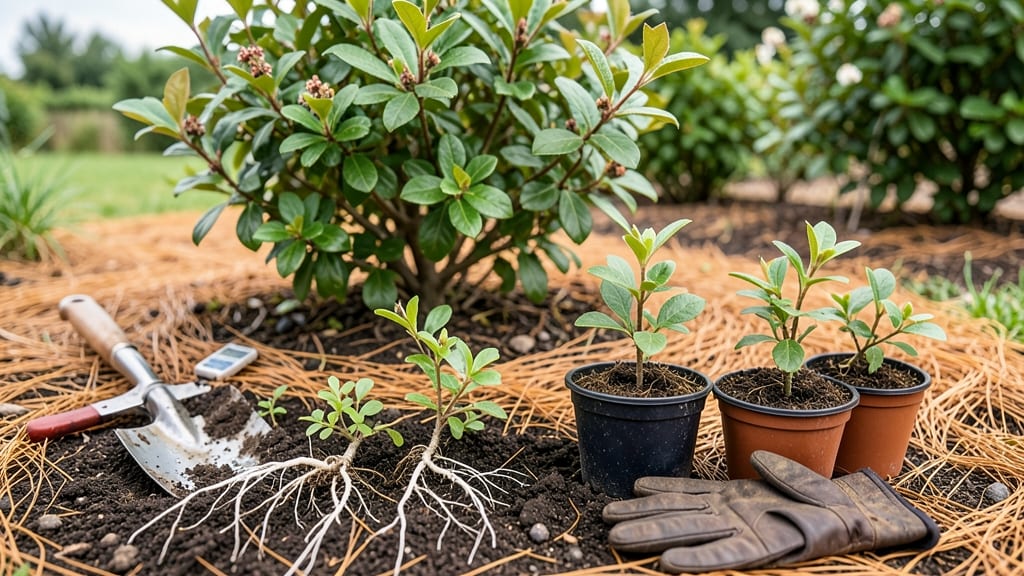
Timing your blueberry 🫐 planting in Wisconsin isn't just about the calendar—it's about matching your variety to the state's chill-hour zones to ensure thriving bushes and sweet harvests.
Get it wrong, and you might end up with bushes that struggle or produce sparse fruit, despite Wisconsin's ideal climate for these acid-loving shrubs.
The best window for planting is early spring (April–May) or fall (September–October), when soil temperatures are cool but not frozen, and the risk of late frosts has passed in most of the state.
This timing gives your blueberries the head start they need to establish strong roots before Wisconsin's unpredictable summer weather kicks in.
Whether you're planting in-ground or in containers, understanding your specific USDA zone (4b–6a) and the chill-hour requirements of your chosen variety is the key to success. Northern Highbush varieties, for example, thrive in Wisconsin's cooler zones, while Southern Highbush types may need extra protection from winter winds.
In this guide, I'll walk you through everything you need to know—from soil prep and frost dates to variety selection and post-planting care—to set your blueberries up for a bountiful harvest in July–August. Let's get those bushes growing!
Wisconsin’s chill-hour zones: matching blueberry varieties for optimal growth
Wisconsin’s chill-hour zones—ranging from 300 to 1,000+ hours—are the secret weapon for growing thriving blueberry bushes. These hours of cold temperatures (32–45°F) trigger dormancy and ensure proper flowering. Without enough chill hours, your bushes may bloom poorly or produce sparse fruit, despite Wisconsin’s ideal growing conditions.
Most of Wisconsin falls within USDA Zones 4b–6a, but chill-hour requirements vary dramatically. For example, Northern Highbush varieties like ‘Bluecrop’ need 800–1,000 chill hours, while Half-High types such as ‘Patriot’ thrive with 600–800 hours.
Southern Highbush varieties (like ‘Sharpblue’) are better suited for southern Wisconsin with 300–500 chill hours.
Rabbiteye varieties, though rare in Wisconsin, can work in Zone 6a with 500–700 chill hours, but they’re not ideal for northern regions. Always check your local chill-hour count—most Wisconsin counties average 700–900 hours, making Northern Highbush the safest bet for most gardeners.
Here’s how to match your blueberry variety to Wisconsin’s zones for maximum success:
| Variety Type | Chill Hours Needed | Best Wisconsin Zones | Notes |
|---|---|---|---|
| Northern Highbush | 800–1,000 | 4b–5a (Most of WI) | Classic choice; ‘Bluecrop’ and ‘Jersey’ are top picks. |
| Half-High | 600–800 | 4b–6a (Southern WI) | Smaller stature; great for containers or tight spaces. |
| Southern Highbush | 300–500 | 6a (Far southern WI) | Heat-tolerant; ‘Sharpblue’ is a good fit. |
| Rabbiteye | 500–700 | 6a (Extreme southern WI) | Less common; needs protection from winter winds. |
If you’re unsure about your chill-hour count, check with your local cooperative extension office or use a chill-hour calculator based on your ZIP code. For example, Madison (Zone 5a) averages 850 chill hours, while Green Bay (Zone 4b) sees closer to 950 hours.
This precision ensures your bushes enter dormancy properly and produce fruit reliably.
Another critical factor is hardiness zone overlap. Even within Wisconsin, microclimates matter. For instance, areas near Lake Michigan may experience warmer winters due to lake-effect moderation, while inland regions like northern Wisconsin can drop below -20°F.
Choose varieties with cold-hardy roots (like ‘Northblue’) if you’re in Zone 4b or colder.
Pro tip: If you’re mixing varieties, ensure they have compatible pollination needs. Most Northern Highbush types are self-pollinating, but planting two different varieties (like ‘Bluecrop’ and ‘Jersey’) can increase yield by 20–30%. Just avoid Rabbiteye varieties—they’re not cross-compatible with Highbush types.
Finally, consider container growing if your yard lacks ideal conditions. Dwarf varieties like ‘Top Hat’ (Half-High) thrive in pots and adapt well to urban microclimates, including balconies or patios. Just ensure your container has drainage holes and you’re using acidic potting mix.
🫐Best planting months in Wisconsin: soil prep and timing for success
Wisconsin’s short growing season and unpredictable frosts make timing your blueberry 🫐 planting critical. The ideal windows are early spring (April–May) or fall (September–October), when soil is workable but not frozen.
Spring planting gives bushes a head start before summer heat, while fall planting allows roots to establish before winter dormancy.
For spring planting, aim for 2–4 weeks after your last frost date—typically mid-April in southern Wisconsin (Zone 6a) to early May in the north (Zone 4b). Check your local USDA frost map to avoid late frosts that can damage tender new growth.
In northern Wisconsin, where frosts linger longer, delay until late May to be safe.